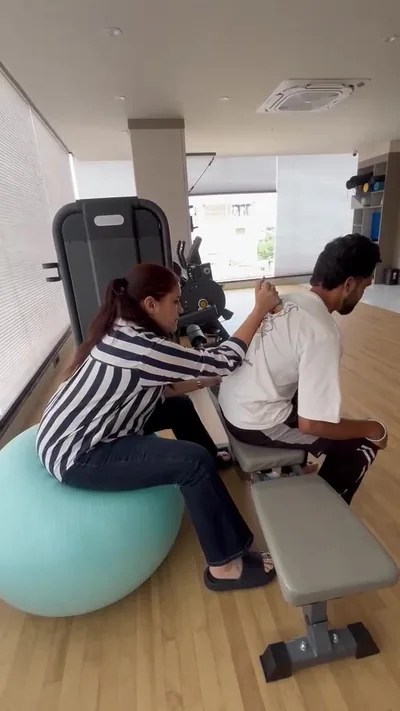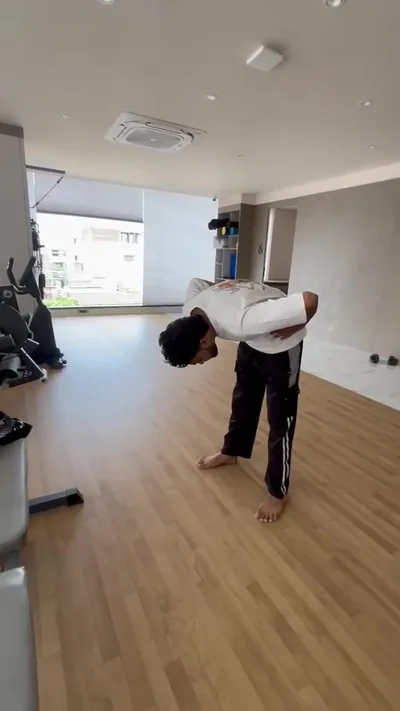
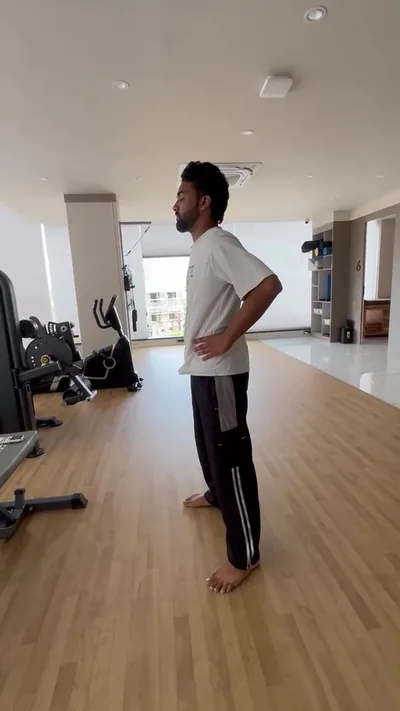
Is Side Bending Safe with L4 L5 Herniated Disc
An L4 L5 herniated disc happens when the disc between your fourth and fifth lumbar vertebrae bulges or ruptures. This presses on nearby nerves, causing pain…
Read article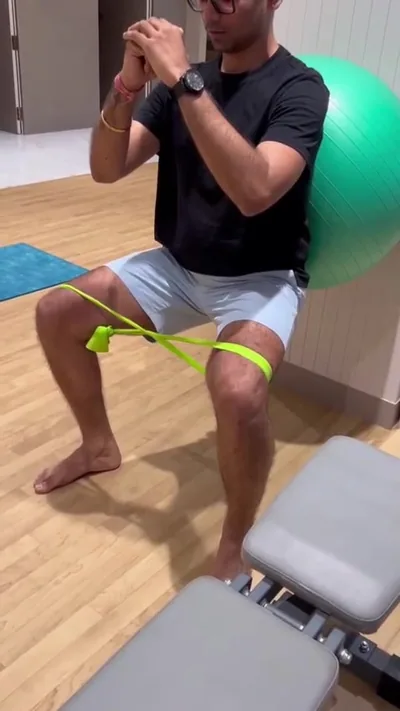
After ACL reconstruction surgery, phase 2 rehab builds strength and stability. For footballers in Jaipur, calf raises target calf muscles to support knee stability and ankle control. Phase 2 starts once range of motion returns and swelling reduces. A physiotherapist checks graft healing, knee extension and walking pattern before these moves.
Single leg calf raises aid ACL phase 2 progression. They restore balance for football. Do them at home, but check form to avoid strain. Strong calves control the foot during pivots. In football, calves fire during quick stops and starts, so rebuilding them protects the new graft from shear forces.
Trivayu Physio Center in Vaishali Nagar guides footballers through ACL recovery. Proper progression prevents setbacks. Start slow and seek professional advice. A physio might use gait analysis to spot if weak calves cause limping, then add targeted exercises.
ACL rehab calf raises strengthen gastrocnemius and soleus. Gastrocnemius crosses knee and ankle, aiding flexion control. Soleus works below knee for endurance. In phase 2, they follow isometric quad sets or straight-leg raises. They improve push-off for running and cutting.
Strong calves absorb shock during landings and sprints. Weak calves shift load to the knee, stressing the graft. Single-leg builds ankle strength and proprioception, retraining nerve feedback post-surgery. Post-ACL surgery, the calf often weakens from disuse and bracing, so these exercises restore push-off power needed for football kicks and tackles.
Single leg calf raises boost proprioception and balance. They train the knee to stabilise without help from the other leg. Progression from double-leg to single-leg adds control for uneven surfaces. On Jaipur pitches, which can be bumpy, this retrains the body to handle sudden twists without knee collapse. Looking for a Physiotherapist in Jaipur? Our team in Vaishali Nagar, Jaipur can assess you in person.
A physiotherapist corrects knee valgus with cues like “keep knee over toes.” Balanced calves reduce stress on the ligament and prepare for plyometrics. They also improve single-leg stance, a key test before advancing to jogging or agility drills in football rehab.
Stand facing a wall or hold a chair for support. Use a countertop if balance falters. Place a folded towel under forefoot for height if needed. Keep weight even across the forefoot to avoid twisting the ankle.
Avoid bouncing, leaning or locking knee. Breathe: exhale rise, inhale lower. Film side-on for alignment. If knee drifts inward, place a resistance band around knees to cue outward push.
Start double-leg on flat ground, hands on wall. Master 3 sets of 15-20 reps pain-free. Then single-leg with knee bent 20-30 degrees for soleus focus, as this isolates the deeper endurance muscle used in prolonged football play.
Readiness: no swelling, single-leg stance 30 seconds stable, full ankle range. Progress: double-leg flat, double-leg step (heel drops off a step edge), single-leg flat, single-leg step, eyes closed. Integrate with mini-squats or foam stands. Manual Therapy at Trivayu Physio Center refines form. Get in-person assessment. Recovery varies by graft type and fitness. More on Ankle Pain Treatment and how we assess it.
For footballers, do sideways calf raises: stand with toes facing a wall, rise while keeping hips square. This builds lateral control for cutting moves. Use wobble board later for ankle control. Physio assesses dynamic balance with tools like star excursion tests.
Post-ACL surgery calf exercises progress to knee stability calf raises. Add a light squat hold at the bottom of each rep: lower heel, then mini-squat before rising. This links calf strength to knee control. For football recovery, combine with single-leg deadlifts once stable, to mimic reaching for a ball.
Clear floor, non-slip surface, wall nearby. Wear supportive shoes or barefoot later. Hydrate in Jaipur heat; do mornings. Jaipur’s dry air can tighten muscles, so apply lotion if skin dries out.
Warm up: walking or ankle circles, 5-10 minutes. Ice knee 10-15 minutes if sore. Track reps, pain (0-10), balance. Note if the surgical calf fatigues faster, a common sign of asymmetry.
Combine with glute bridges: lie on back, lift hips, then add single-leg calf raise from there for posterior chain work. Stretch calf if cramps: lean into wall with knee straight, hold 30 seconds. Seek physio if pain increases or no progress. Trivayu Physio Center offers Orthopaedic Rehabilitation and Electrotherapy. Locations: Vaishali Nagar, Vidyadhar Nagar. Dr. Jyoti Choudhary tailors sports rehab. You may also find ACL Rehab Phase 2 Single Leg Exercises on Unstable Surfaces useful.
Clinic: gait analysis spots calf lag in stride, manual calf test checks muscle tone and trigger points, ultrasound or TENS eases soreness, home programme photos ensure correct form. Expect a full lower limb screen, including hop tests later in phase 2.
Progressive calf strengthening ACL rehab includes eccentric focus for tendon resilience. Drop heel off step slowly, using both legs to rise if single-leg drop is too hard. This builds tolerance for football’s explosive demands.
Knee stability calf raises: perform on a soft surface like a pillow, rising while keeping knee in neutral. This challenges balance without overload. For footballers, progress to calf raises holding a football between feet, then tossing it mid-rep to add coordination.
A physiotherapist approaches ACL reconstruction rehab holistically: week-by-week plan based on your graft (hamstring, patellar or allograft), pre-injury fitness and football position. Midfielders need more endurance soleus work; forwards prioritise gastroc speed. What to expect: twice-weekly sessions early phase 2, with home logs reviewed. They measure calf girth for symmetry, test power with dynamometer if available, and cue “drive through big toe” for proper activation.
Strengthen calf muscles for knee stability. Single-leg builds balance. Gastrocnemius for speed, soleus endurance. Key in phase 2 after basic mobility.
After double-leg pain-free. Weeks 6-12 post-surgery, physio check first. Confirm no graft tenderness.
One leg, rise slowly, lower controlled. Wall support. 2-3 sets 8-12 reps. Full range, no knee shift. Add step for progression.
Yes, progressed under guidance. Stop if knee hurts or swells. Builds base for return-to-sport tests.
3-4 times weekly. Rest days. Adjust for knee feel. Pair with upper body work on off days.
Stop. Reduce reps or double-leg. Stretch Achilles. Book assessment. Could signal quad weakness overriding calves.
Phase 2 strength after mobility. Progress to phase 3 with physio. Add ball drills later. Calf work supports squats, lunges and agility.
Start double-leg, advance single-leg on step. Add knee bend for soleus. Physio progresses to sport-specific like shuttle runs.
Single leg calf raises build stability for footballers post-surgery. Use with clinic guidance for safe return to pitch. Practical guidance ensures steady gains without risk.
Book at Trivayu Physio Center. WhatsApp +91 90570 65065 or call.
Physiotherapy is not the right first step for everything. Seek medical assessment promptly if any of the following apply to you:
If you lose control of your bladder or bowels, develop numbness around the groin, or have chest pain or breathlessness, treat it as an emergency and go to hospital.
Truly thankful to Dr. Jyoti Choudhary and the entire team of Trivayu Physio Centre for their genuine care, humble behaviour, and excellent treatment.
Mahesh Dhaka, Google review
This is one patient's own account, published with consent on our reviews page. It describes their experience, not a predicted outcome. Individual results vary.
An L4 L5 herniated disc happens when the disc between your fourth and fifth lumbar vertebrae bulges or ruptures. This presses on nearby nerves, causing pain…
Read articleShopkeepers in Jaipur often stand for long hours behind counters. This prolonged standing can trigger sciatica pain. Sciatica happens when the sciatic nerve gets irritated, often…
Read articleHerniated disc night pain disrupts sleep for many. The disc bulge presses on nerves, causing sharp back pain or sciatica that flares up at night. Simple…
Read articleMessage us on WhatsApp with your main concern and preferred time, and we'll confirm your first visit the same day.