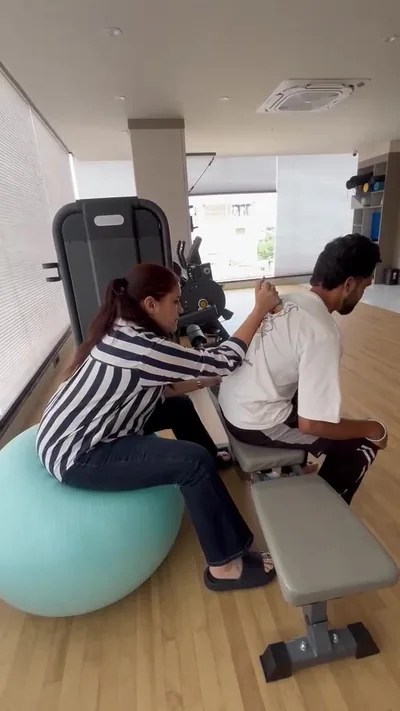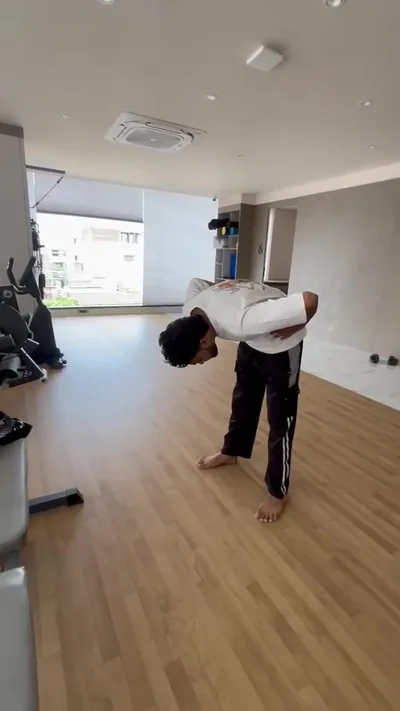
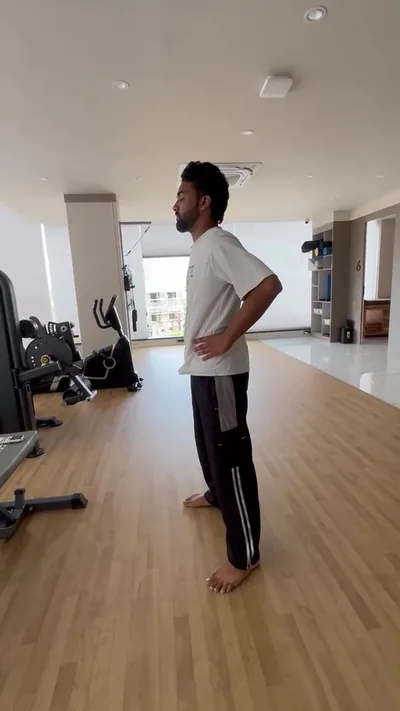
Is Side Bending Safe with L4 L5 Herniated Disc
An L4 L5 herniated disc happens when the disc between your fourth and fifth lumbar vertebrae bulges or ruptures. This presses on nearby nerves, causing pain…
Read article

After ACL surgery, phase 2 rehab builds strength and balance. It starts around month 2 for athletes. Single leg stance progressions restore knee control and proprioception. Progress from stable to unstable surfaces. A physiotherapist checks knee range, swelling, and muscle power before starting. They watch form during sessions. Expect 20-30 minute clinic visits twice weekly, with home exercises.
These exercises target ACL rehab phase 2 single leg work. Always get professional assessment first. At Trivayu Physio Center in Vaishali Nagar, Jaipur, our team checks readiness. Dr. Jyoti Choudhary, with 17+ years in sports physiotherapy, guides athletes. Dr. Hritika Choudhary handles post-op cases. Clinics in Vaishali Nagar and Vidyadhar Nagar offer home visits.
Phase 2 aims for controlled single leg balance. This prepares for sport demands. Unstable surface training boosts knee stability. Follow steps under supervision. Physiotherapists adjust for graft type and sport needs. Looking for a Physiotherapist in Jaipur? Our team in Vaishali Nagar, Jaipur can assess you in person.
ACL rehab phase 2 single leg training builds on early recovery. Phase 1 focuses on basic movement and swelling control. Phase 2 starts after clearance, often 4-8 weeks post-op. Goals: knee stability and muscle activation. Quadriceps, hamstrings, glutes, and calf steady the knee.
Single leg stance trains weight on operated leg. For athletes month 2 post-op, it restores confidence and mimics sport positions. Poor balance raises re-injury risk. Physio tests readiness with hop tests or strength checks.
Assessment confirms readiness: graft healing, swelling, strength. At Trivayu Physio Center, physiotherapists use Orthopaedic Rehabilitation to tailor plans. Do not start without clearance. In clinic, they check knee alignment and muscle firing. More on Sciatica Treatment and how we assess it.
Stable surfaces build basic control. Unstable ones advance proprioception and strength. This trains ankle, knee, and hip muscles. It improves dynamic knee control for sports. The brain reacts faster to weight shifts.
Unstable training challenges the nervous system for quicker adjustments and better joint protection. Results vary by age, fitness, compliance. Avoid rushing or ignoring pain. Leaning trunk or knee cave-in reduces benefits. Prioritise form. Physios cue “push knee forward” or “squeeze glute.” You may also find ACL Balance Exercises Single Leg Progression useful.
Start on firm ground. Master basics before advancing. Wear supportive shoes. Stand near wall or chair.
Safety: Use mirror for form. Stop if knee buckles or pain increases. Breathe steadily. Do 3-4 times weekly after warm-up. Track holds. Note swelling.
Once stable holds reach 60 seconds, add instability. Introduce tools step-by-step. Use clinic equipment first.
Monitor pain. No sharp knee pain. Regress if collapse. Sessions 10-15 minutes. Combine with Manual Therapy at clinic. Electrotherapy eases soreness.
Track daily. Increase by 5-10 seconds when stable. Physio reviews every two weeks. Adjust for plateaus with resistance bands.
Warm up 5-10 minutes walking or bike. Do quad sets: tighten thigh 5 seconds, 10 reps. Breathe: inhale nose, exhale mouth. Tense core before hold.
Form: Knee over second toe. Hips level. Gaze forward. Check knee valgus. Cue: “Drive knee out.”
Progress at 45-60 seconds fault-free. Regress for pain. Rest days aid adaptation. Ice 15 minutes post-session if tender.
Clinic ensures form. Dr. Hritika Choudhary specialises in post-op rehab. Book at Vaishali Nagar or Vidyadhar Nagar. Home visits available. Includes gait analysis.
Pair with wall sits ball between knees: 3 sets 20 seconds. Light leg presses full range. Single leg bridges: hold top 5 seconds, 10 reps.
In clinic, physio demonstrates. They palpate muscles. Homework lists reps. Follow-up tests clear progress.
Follows initial protection. Builds strength, balance, control. Typically 4-8 weeks post-op. Functional tasks like single leg work.
Master stable surface. Add eyes closed, arms up. Then unstable tools.
Around 4-6 weeks after assessment. Depends on swelling, range, strength. Some till month 2.
Stable floor, foam pad, wobble board, Bosu. Progress slowly.
Yes, if supervised and form good. Avoid if unstable or painful.
Bridges to phase 3 running. Improves landing control.
Consistent practice restores knee confidence. Combine with clinic guidance. Progress patiently.
Book assessment at Trivayu Physio Center today. WhatsApp +91 90570 65065 or call. Locations in Vaishali Nagar and Vidyadhar Nagar.
Physiotherapy is not the right first step for everything. Seek medical assessment promptly if any of the following apply to you:
If you lose control of your bladder or bowels, develop numbness around the groin, or have chest pain or breathlessness, treat it as an emergency and go to hospital.
Truly thankful to Dr. Jyoti Choudhary and the entire team of Trivayu Physio Centre for their genuine care, humble behaviour, and excellent treatment.
Mahesh Dhaka, Google review
This is one patient's own account, published with consent on our reviews page. It describes their experience, not a predicted outcome. Individual results vary.
An L4 L5 herniated disc happens when the disc between your fourth and fifth lumbar vertebrae bulges or ruptures. This presses on nearby nerves, causing pain…
Read articleShopkeepers in Jaipur often stand for long hours behind counters. This prolonged standing can trigger sciatica pain. Sciatica happens when the sciatic nerve gets irritated, often…
Read articleHerniated disc night pain disrupts sleep for many. The disc bulge presses on nerves, causing sharp back pain or sciatica that flares up at night. Simple…
Read articleMessage us on WhatsApp with your main concern and preferred time, and we'll confirm your first visit the same day.