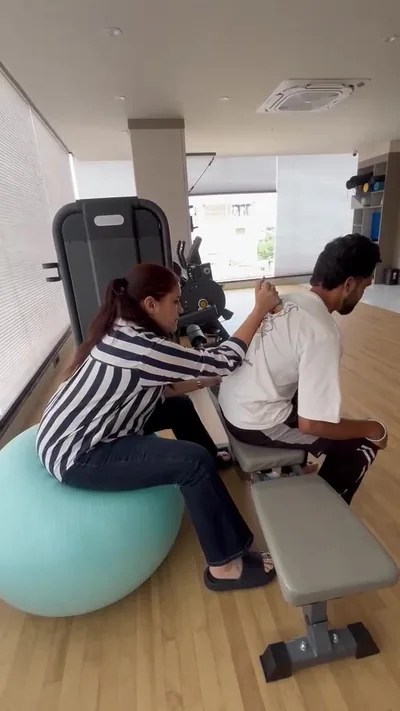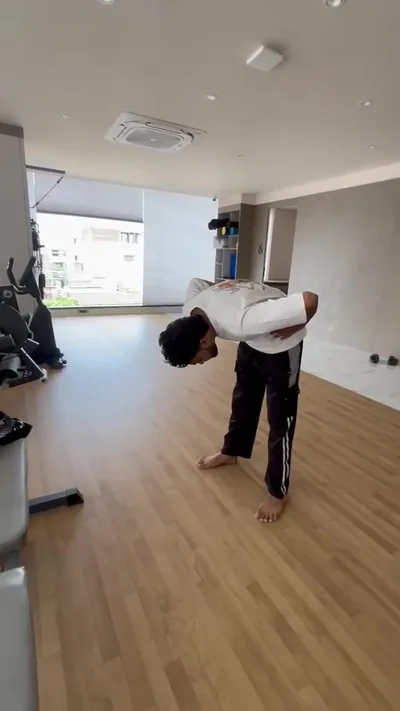
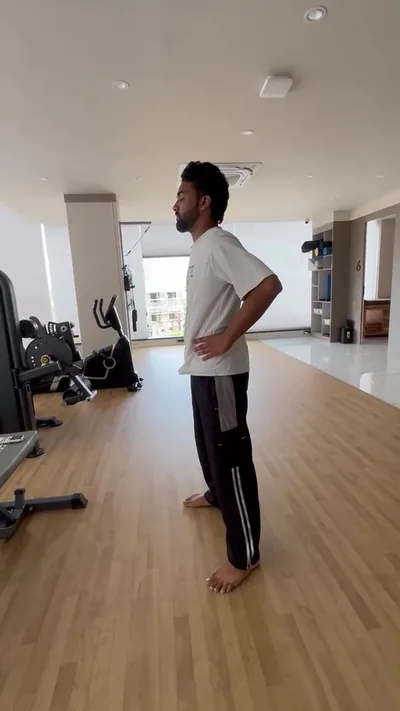
Is Side Bending Safe with L4 L5 Herniated Disc
An L4 L5 herniated disc happens when the disc between your fourth and fifth lumbar vertebrae bulges or ruptures. This presses on nearby nerves, causing pain…
Read article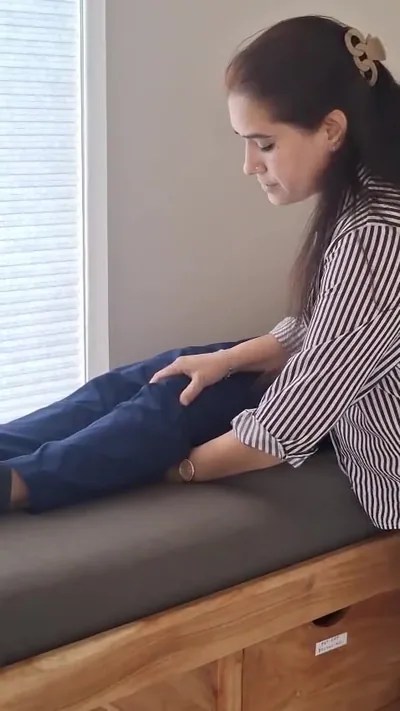
ACL kneeling prayer pain affects many after reconstruction surgery. The graft site becomes tender, making namaz or puja hard. This discomfort comes from pressure on the knee during deep bends. Patients in Jaipur often face this during religious routines.
Graft site soreness limits daily worship. Padding and gradual exercises can ease it. These steps fit cultural needs. Trivayu Physio Center offers support for such recovery. An in-person check helps tailor advice.
Recovery varies by person. Start with simple changes. Build strength slowly. Seek physio guidance for safe progress.
ACL reconstruction uses a graft to rebuild the ligament. This graft needs time to heal. Kneeling for prayer presses on the site, causing pain. Deep positions in namaz or puja add stress.
After surgery, the knee swells and stiffens. Scar tissue forms around the graft. These changes make kneeling painful. Pain kneeling namaz after ACL surgery is common in early recovery.
Not all pain signals harm. But sharp or lasting discomfort needs review. Book an assessment at Trivayu Physio Center, Vaishali Nagar. The team checks your knee and plans safe steps. Locations include Vidyadhar Nagar too.
Prayer postures load the knee graft directly. Kneeling shifts weight to the front of the knee. This presses the tender area. Inflammation heightens sensitivity.
Scar tissue limits smooth movement. Weak muscles fail to support the joint. Factors like surgery time or rehab pace worsen it. For Jaipur patients, this disrupts namaz or temple visits. Looking for a Physiotherapy Clinic Near Me? Our team in Vaishali Nagar, Jaipur can assess you in person.
Cultural challenges arise. Religious duties demand kneeling. ACL surgery kneeling discomfort tests faith and patience. Early physio addresses these links.
Padding reduces direct pressure on the graft. Use knee mats or gel pads during prayer. These spread weight and cushion the knee.
Choose thick, firm pads for namaz knee support. Foam mats work for puja floors. Place under knees in temple kneeling pain spots. Start with short sessions.
Manual Therapy can loosen tight tissues around the knee. This pairs well with padding. Try during daily routines. Adjust as comfort grows.
Build kneeling tolerance step by step. This prevents setbacks. Start supported, progress to full positions. ACL rehab prayer position training fits religious needs.
A physio first checks your knee range, strength and swelling. They watch how you move into prayer postures. This guides safe pacing. For post ACL surgery kneeling, begin with partial bends only.
Gradual kneeling exercises strengthen muscles. Dr. Jyoti Choudhary guides sports rehab here. Her experience with athletes aids precise plans.
Prayer posture adaptation reduces strain. Cultural rehab adjustments make recovery practical. For example, widen your stance slightly during ruku to lessen knee load.
ACL reconstruction recovery follows phases. Early weeks focus on reducing swelling and regaining bend. Graft site soreness peaks around the incision or donor area, often from hamstring or patellar tendon harvest.
Graft site soreness worsens with kneeling pressure. The area stays sensitive as new tissue integrates. A physio teaches gentle massage around the site to improve circulation. Avoid direct pressure until cleared. More on Ankle Pain Treatment and how we assess it.
What to expect: Mild ache during activity fades with rest and ice. If soreness spreads or heats up, get checked. In Jaipur’s warm climate, use cool packs wrapped in cloth for 10-15 minutes after prayer attempts.
Strengthen the graft donor area too. For hamstring grafts, do prone leg curls without weight. A physio demonstrates form to protect the site. Track soreness daily in a notebook to spot patterns.
Kneeling pain management starts with pain diaries. Note when it flares, like after long namaz sessions. This helps physios adjust plans.
Combine ice, elevation and compression post-prayer. Elevate the knee above heart level for 20 minutes. Use a soft wrap, not too tight. Gentle stretches follow once cool.
Orthopaedic Rehabilitation builds knee control. Physios use hands-on checks to test stability before advancing. For prayer, they mimic sajdah positions on a plinth to find pain triggers.
Breathe deeply during painful holds. Shorten prostration time at first. Rise slowly to avoid jolts. If pain lingers over 48 hours, pause and consult.
Prayer posture adaptation honours faith while protecting the knee. For namaz knee support, place a folded towel under the shin during sitting phases. This offloads the kneecap. You may also find ACL Graft Tenderness at Month 2: Massage Tips useful.
In sajdah, keep hips higher at first. Lower gradually as strength builds. Use a raised platform for temple kneeling pain if steps allow. Align knees hip-width to balance load.
Namaz knee support options include adjustable knee rests. Test them at home before mosque use. Pair with anti-slip mats on marble floors common in Jaipur temples.
A physio observes your full namaz cycle. They suggest tweaks like using arms more for lift-off.
Cultural rehab adjustments blend physio with local life. Jaipur patients juggle namaz five times daily plus puja. Physios plan sessions around prayer times.
For temple kneeling pain, practice on varied surfaces. Temple floors are hard; train on cushions first. Home visits let physios see your prayer space.
Dr. Hritika Choudhary adapts plans for post-op needs. She includes family input for motivation. Group your exercises with household chores mimicking bends.
Electrotherapy targets deep inflammation. Sessions last 15-20 minutes, followed by home tips. This speeds comfort for religious return.
Trivayu Physio Center tailors plans for your faith. Respect namaz or puja needs in ACL reconstruction recovery. Advanced Electrotherapy cuts inflammation fast.
Team includes Dr. Hritika Choudhary for post-op rehab. Home visits suit busy schedules. Open Mon-Sat 8 am to 8 pm, Sun 10 am to 1 pm.
204, 2nd Floor, Om Tower, Gandhi Path Road, Nemi Nagar.
Rangoli Gardens location available.
Clear explanations help you understand treatment. Friendly staff support long-term rehab like knee ligament recovery. Expect weekly check-ins to track kneeling progress.
Pressure hits the graft site. Inflammation and scar tissue add sensitivity. Prayer bends overload the healing knee.
Use padding and gradual exercises. Strengthen muscles around the knee. Physio eases related tension.
Gel pads or thick knee mats. They cushion and spread weight. Non-slip types suit prayer rugs.
Timelines differ. Many improve in 3-6 months with steady rehab. Check progress with a physio.
Yes, if guided. Steps build strength without overload. Stop for sharp pain and consult.
Gently massage edges. Ice after activity. Strengthen donor muscles under guidance.
Thick gel or foam with grip. Test for stability on smooth stone.
Kneeling pain fades with smart steps. Padding and gradual exposure aid worship return. Trivayu supports your path.
Book an assessment today. WhatsApp or call +91 90570 65065.
Physiotherapy is not the right first step for everything. Seek medical assessment promptly if any of the following apply to you:
If you lose control of your bladder or bowels, develop numbness around the groin, or have chest pain or breathlessness, treat it as an emergency and go to hospital.
Truly thankful to Dr. Jyoti Choudhary and the entire team of Trivayu Physio Centre for their genuine care, humble behaviour, and excellent treatment.
Mahesh Dhaka, Google review
This is one patient's own account, published with consent on our reviews page. It describes their experience, not a predicted outcome. Individual results vary.
An L4 L5 herniated disc happens when the disc between your fourth and fifth lumbar vertebrae bulges or ruptures. This presses on nearby nerves, causing pain…
Read articleShopkeepers in Jaipur often stand for long hours behind counters. This prolonged standing can trigger sciatica pain. Sciatica happens when the sciatic nerve gets irritated, often…
Read articleHerniated disc night pain disrupts sleep for many. The disc bulge presses on nerves, causing sharp back pain or sciatica that flares up at night. Simple…
Read articleMessage us on WhatsApp with your main concern and preferred time, and we'll confirm your first visit the same day.