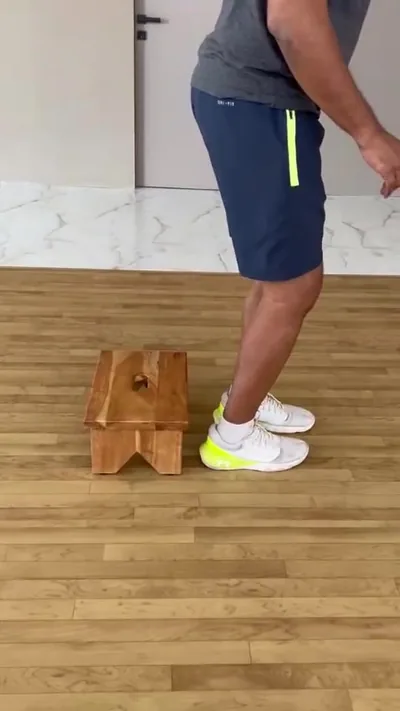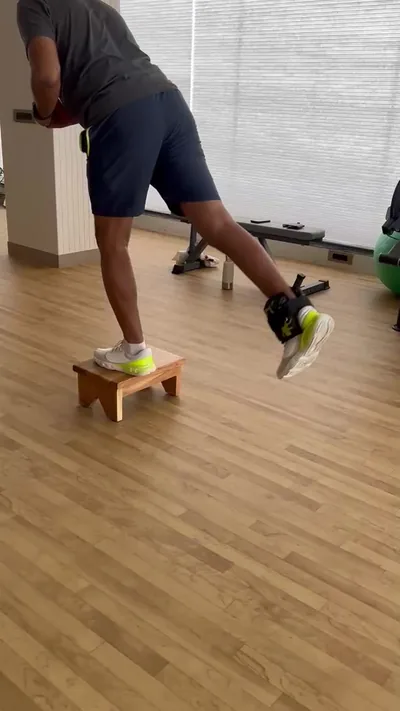
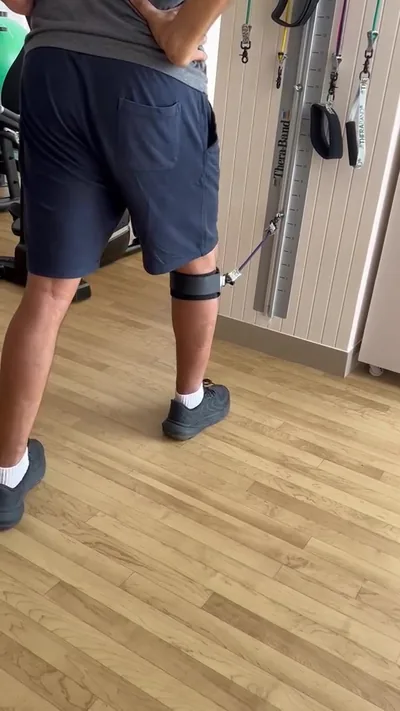
Backward Walking in ACL Rehab Phase 2
Backward walking helps athletes recover from ACL injuries. It builds knee stability in Phase 2 of rehab. This exercise targets quadriceps and improves control after surgery…
Read article

The short answer
With a slip disc, avoid yoga poses like forward folds such as Paschimottanasana, inversions like Halasana and Sarvangasana, deep twists like Ardha Matsyendrasana, and heavy backbends like Urdhva Dhanurasana. These increase pressure on the lumbar disc herniation. Maintain a neutral spine to protect the disc.
If you have a slip disc, some yoga poses can worsen the pain. Forward folds, deep twists and heavy backbends increase pressure on the lumbar disc herniation. Choosing the right movements helps you stay active without flaring up lower back pain.
Understanding which poses to skip or change is the first step. A neutral spine position protects the disc and reduces pressure on nerves that cause sciatica. With proper guidance, many people in Jaipur return to gentle yoga while managing their back pain.
A slip disc, also called lumbar disc herniation, happens when the soft cushion between vertebrae pushes out and presses on nearby nerves. This often leads to back pain, leg pain or sciatica.
Certain movements increase pressure on the disc. Forward folds compress the front of the disc and can push the herniated material backwards. Twists and bends create shear forces that irritate the injured area.
Keeping awareness of a neutral spine is essential. This means maintaining the natural curve of your lower back without forcing it flat or arching too much. Physiotherapy guided yoga helps build this posture awareness so you can practise safely. Looking for a Physiotherapist Near Me? Our team in Vaishali Nagar, Jaipur can assess you in person.
Some popular asanas create mechanical stress on a herniated disc. It is better to avoid them or use strong modifications until your spine is stable.
Even experienced practitioners in Jaipur should modify these poses. For example, keep a slight bend in the knees during forward folds or use a bolster for support. Always stop if you feel sharp pain, tingling or numbness down the leg.
Gentler poses can strengthen the core and improve mobility without stressing the disc. Focus on controlled movement and steady breathing.
These back friendly yoga alternatives promote spinal health when performed with proper form. Start with short holds and increase only when there is no pain the next day.
A thorough assessment at Trivayu Physio Center helps identify your specific limitations. Our team uses manual therapy and myofascial release to ease tight muscles before you return to yoga. Read more about our Spine, Back & Neck Care.
Clinical Pilates and exercise therapy build core stabilisation and posture awareness. This prepares the body for modified yoga poses. Advanced electrotherapy and Class IV High Power Laser Therapy can reduce inflammation and pain, making movement easier. Dr.
Whether you need post-surgery rehab or help with chronic lower back pain, physiotherapy guided yoga helps reduce re-injury and supports long-term recovery.
Good daily posture reduces strain on the lumbar spine. Sit with a small lumbar roll, stand tall and avoid slouching. Warm up with gentle marches or pelvic tilts before any yoga session.
Stop any pose immediately if you feel increased pain, numbness or weakness. Listen to your body rather than pushing through discomfort. Combine physiotherapy with modified yoga for better results.
Home visits or online consultation from Trivayu Physio Center make it convenient for busy residents. Early guidance helps reduce small issues from becoming long-term problems.
Avoid deep forward folds like Paschimottanasana, inversions such as Halasana and Sarvangasana, heavy twists like Ardha Matsyendrasana, and strong backbends. These movements increase pressure on the lumbar disc herniation and can worsen sciatica. You may also find Robotic Spinal Decompression for Slip Disc useful.
Yes, but only with modified, back friendly yoga alternatives. A neutral spine and controlled movements are essential. Many people continue gentle practice after receiving guidance from a physiotherapist.
Safer options include Bird-Dog for core stabilisation, gentle Cat-Cow, Sphinx pose, supported Supine Bridge and Legs-up-the-wall. These poses support the spine without excessive forward folds, twists and bends.
Yes. Keep knees bent in forward bends, avoid rounding the lower back and reduce the depth of any twist. Maintaining a neutral spine protects the disc and reduces irritation.
It is strongly recommended. An assessment identifies your specific needs and helps build strength and posture awareness. Techniques such as manual therapy and robotic spinal decompression prepare the body for safe yoga practice.
Choosing the right yoga poses to avoid with slip disc and practising safer alternatives can help you stay active while protecting your back. At Trivayu Physio Center in Vaishali Nagar, Jaipur, our experienced team supports you with expert assessment and tailored care. Book an assessment today through WhatsApp or call +91 90570 65065 to learn how physiotherapy guided yoga can help you move with confidence.
Physiotherapy is not the right first step for everything. Seek medical assessment promptly if any of the following apply to you:
If you lose control of your bladder or bowels, develop numbness around the groin, or have chest pain or breathlessness, treat it as an emergency and go to hospital.
Backward walking helps athletes recover from ACL injuries. It builds knee stability in Phase 2 of rehab. This exercise targets quadriceps and improves control after surgery…
Read articleAfter ACL surgery, rebuilding knee strength takes time and care. ACL rehabilitation phases guide this process step by step. Phase 1 protects the graft and cuts…
Read articleAfter hip replacement surgery, dressing your lower body safely helps build independence. By week 6 of hip replacement recovery, many patients aim to dress without help.…
Read articleMessage us on WhatsApp with your main concern and preferred time, and we'll confirm your first visit the same day.