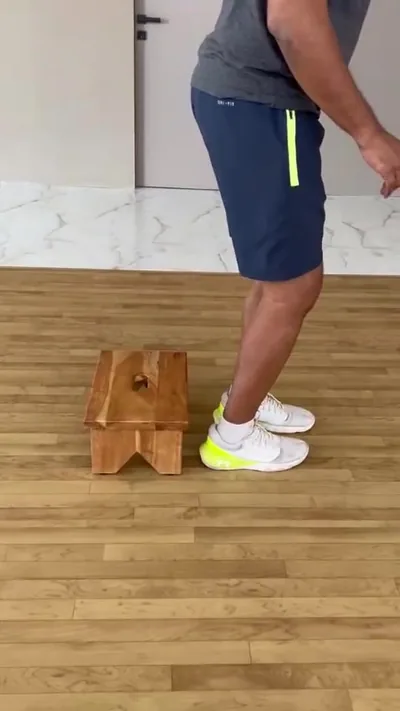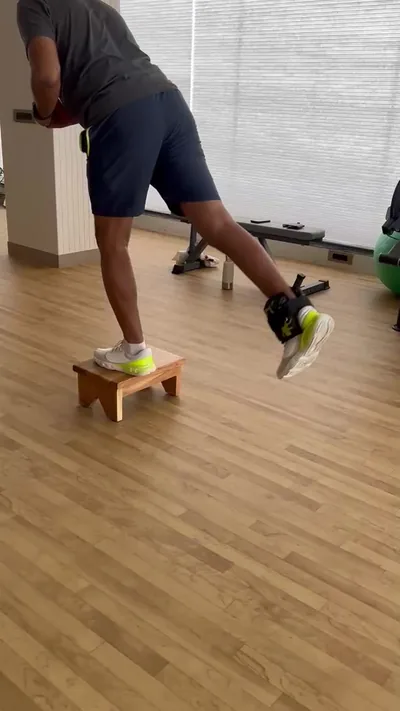
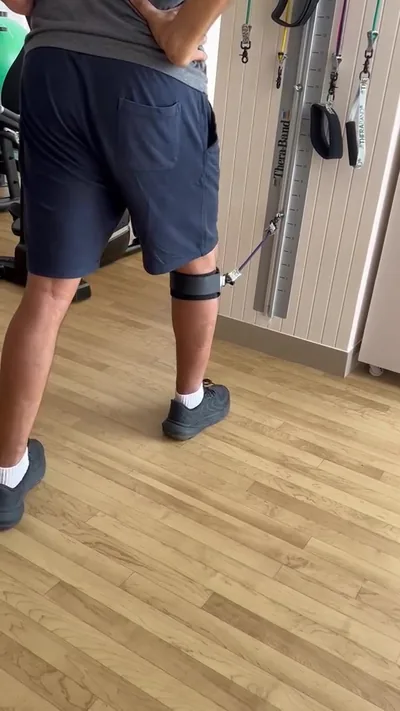
Backward Walking in ACL Rehab Phase 2
Backward walking helps athletes recover from ACL injuries. It builds knee stability in Phase 2 of rehab. This exercise targets quadriceps and improves control after surgery…
Read article

The short answer
Robotic spinal decompression is a non-surgical treatment for slip disc at Trivayu Physio Center in Vaishali Nagar, Jaipur. A computer-guided table applies precise traction cycles to create negative pressure in the disc, helping pull herniated material back and reduce nerve pressure. It suits adults with chronic back pain or sciatica not relieved by rest or medicines.
Slip disc can make everyday tasks in Jaipur difficult. Many adults live with chronic lower back pain, sciatica, or numbness that does not settle with rest or medicines alone.
At Trivayu Physio Center in Vaishali Nagar, we use this method along with manual therapy. The treatment is gentle and aims to reduce pain while helping the disc heal naturally.
This article explains what a slip disc is, how robotic spinal decompression therapy works, who can benefit, and what to expect at our clinic.
A slip disc, also called disc herniation, happens when the soft inner part of a spinal disc pushes out through a weak spot in the outer ring. This can press on nearby nerves.
The pressure leads to pain, inflammation, and altered signals. People often feel sharp or aching pain in the lower back that may travel down one leg as sciatica.
In Jaipur, patients report difficulty sitting, standing long, or bending. Morning stiffness and pain that worsens with activity are typical. These symptoms can limit work and home life if left unaddressed.
Robotic spinal decompression therapy is a non-surgical slip disc treatment. A computer-guided table applies precise traction to the spine. The system monitors feedback and adjusts force in real time.
Unlike older traction machines that pulled with a fixed weight, the robotic table uses programmed cycles of pull and release. This targets the exact spinal segment without straining surrounding muscles. Looking for a Physiotherapy Near Me? Our team in Vaishali Nagar, Jaipur can assess you in person.
At Trivayu Physio Center in Vaishali Nagar, we use Robotic Spinal Decompression Therapy. Our senior physiotherapists, including Dr. Jyoti Choudhary and Dr.
The treatment begins with the patient lying on the decompression table. A harness holds the pelvis and upper body. The computer applies a gentle controlled pull along the spine.
This creates negative pressure inside the disc. The lowered pressure can help pull the herniated material back toward the centre. It also allows fluid and nutrients to enter the disc, supporting rehydration.
Over several cycles, the nerve root receives relief from pressure. This often reduces inflammation and eases sciatica. Each session lasts about 20 to 30 minutes. Patients usually feel a mild stretching sensation.
Our team explains every step. Many describe the experience as relaxing once they get used to the gentle traction for herniated disc.
Robotic spinal decompression suits adults with chronic lower back pain or sciatica caused by slip disc. It is often considered when rest, medicines, and basic exercises have not given enough relief.
Ideal candidates include those who wish to try gentle traction for herniated disc before surgery.
It is not suitable for everyone. Recent fractures, certain spinal instabilities, or advanced osteoporosis may need different care. A proper assessment by a physiotherapist is essential to check suitability.
Our team at Trivayu Physio Center performs a detailed evaluation before recommending spinal decompression therapy Jaipur.
Your first visit includes a thorough assessment by one of our physiotherapists. They will listen to your symptoms, check movement, and review any scans. A personalised plan is then made. Read more about our Spine, Back & Neck Care.
During sessions you lie on the robotic table while the computer-controlled traction works. The physiotherapist stays with you to adjust settings and help ensure comfort. Many patients combine this with manual therapy, myofascial release, or Class IV laser.
Treatment is offered six days a week from 8 am to 8 pm at our Vaishali Nagar clinic. The team, which includes Dr. Hritika Choudhary and Dr. Ishu Sharma, guides you through the programme.
Home exercises and posture advice are given. Progress is reviewed regularly.
The main benefits are the gentle nature of the treatment and no downtime. You can usually return to daily activities after a session.
Recovery varies. Some feel better after a few sessions while others need more time. Consistent attendance and following the full plan give the best chance of good results.
Robotic spinal decompression is part of a complete care approach. It does not replace medical advice, and results cannot be expected. A clear assessment helps ensure the treatment is safe and appropriate.
Adults with chronic lower back pain or sciatica from a slip disc who have not improved with conservative care often respond well. A physiotherapist must first confirm that no contraindications exist. You may also find Yoga Poses to Avoid with Slip Disc useful.
Most patients feel only a gentle stretching sensation. The computer adjusts force gradually so discomfort is minimal. If any unease occurs, the session is stopped and settings changed.
The number varies. Many people attend 10 to 20 sessions over several weeks. Your physiotherapist will review progress and adjust the plan based on how your body responds.
For suitable patients it can reduce pain and improve function enough to delay or avoid back surgery. It forms one part of non-surgical slip disc treatment and works best when combined with exercise and posture correction.
Ordinary traction uses a constant pull with weights or pulleys. Robotic spinal decompression uses a computer to deliver precise, cyclic forces that create negative pressure inside the disc.
Robotic spinal decompression for slip disc gives many adults in Jaipur a chance to manage pain without operation. The computer-controlled traction helps create negative pressure, supports disc rehydration, and offers nerve root relief in a gentle way.
At Trivayu Physio Center our team uses this therapy alongside manual therapy, laser, and exercise programmes tailored to each person. Results differ, so an individual assessment is the first step.
Book an assessment at our Vaishali Nagar clinic. Call +91 90570 65065 or message us on WhatsApp to start.
Physiotherapy is not the right first step for everything. Seek medical assessment promptly if any of the following apply to you:
If you lose control of your bladder or bowels, develop numbness around the groin, or have chest pain or breathlessness, treat it as an emergency and go to hospital.
Backward walking helps athletes recover from ACL injuries. It builds knee stability in Phase 2 of rehab. This exercise targets quadriceps and improves control after surgery…
Read articleAfter ACL surgery, rebuilding knee strength takes time and care. ACL rehabilitation phases guide this process step by step. Phase 1 protects the graft and cuts…
Read articleAfter hip replacement surgery, dressing your lower body safely helps build independence. By week 6 of hip replacement recovery, many patients aim to dress without help.…
Read articleMessage us on WhatsApp with your main concern and preferred time, and we'll confirm your first visit the same day.