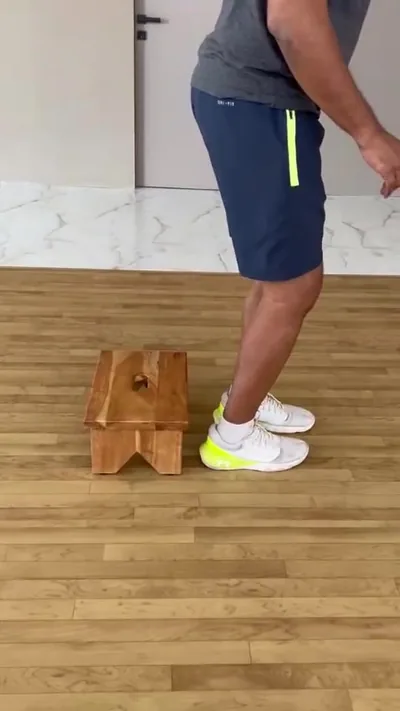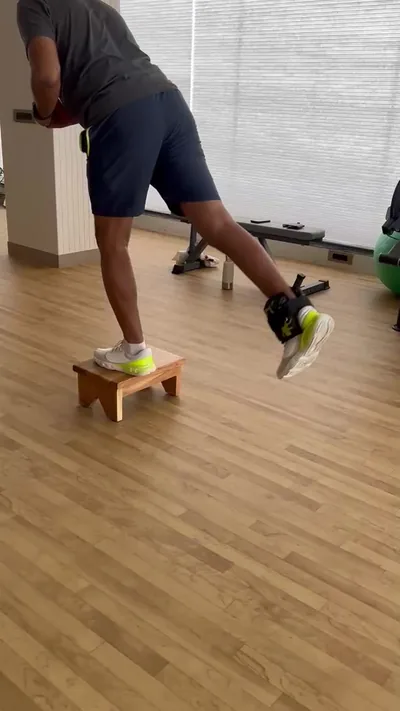
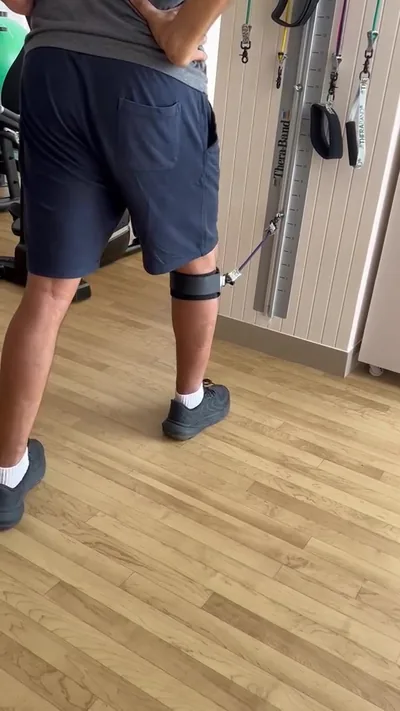
Backward Walking in ACL Rehab Phase 2
Backward walking helps athletes recover from ACL injuries. It builds knee stability in Phase 2 of rehab. This exercise targets quadriceps and improves control after surgery…
Read article

After knee replacement surgery, week 3 marks a key healing stage. Your incision should show steady progress, but infections can still develop. Spotting knee replacement infection early matters. Home checks help you decide when to seek help.
This guide covers signs of infection after knee replacement in week 3. It gives steps for daily monitoring. Always get an in-person check for concerns. Physiotherapy supports recovery but does not replace doctor care.
Trivayu Physio Center in Vaishali Nagar and Vidyadhar Nagar treats post-surgery cases. Our team checks wounds during rehab visits.
By week 3 post-knee replacement, the wound starts closing. Stitches or staples may come out soon. Skin edges pull together, and scab forms. Inside, tissues mend. The new joint settles as inflammation eases.
Infections can happen from bacteria entering the wound. Sources include poor hygiene or loose dressings. Week 3 risks rise as you move more. Sweating or rubbing from clothes can introduce germs. Activity loosens scabs, opening paths for bacteria.
Home monitoring spots changes early. Watch daily for knee replacement wound infection signs. Note new symptoms. Contact your clinic before issues grow. An in-person assessment confirms infection and guides steps. Physiotherapists check how infection affects movement. Looking for a Physiotherapy Clinic Near Me? Our team in Vaishali Nagar, Jaipur can assess you in person.
Look for these signs of infection after knee replacement in week 3. Check your knee twice daily in good light. Use daylight or a bright lamp.
Pain increasing week 3 knee replacement counts too. Rest does not ease it. New chills or tiredness signal trouble. Track changes. Fever after knee surgery often pairs with these. A rise above 38°C needs attention. Weakness or night sweats add concern.
Follow these steps for home checks. Do them daily, same time, morning and evening. Wear gloves if hands have cuts.
Call clinic if redness spreads, pus appears, fever hits 38°C or pain jumps 2+ points. Orthopaedic Rehabilitation at Trivayu guides safe loading on the new knee. Stop if checks hurt. Seek help same day for blisters or black edges.
Keep a notebook: Date, pain score, swelling measure, temperature, notes on drainage or odour. Add details like "Red streak 3 cm long" or "Pus spot". Share with your physio. Example: 15 Oct, Pain 4/10, Swelling 42 cm above knee, Temp 37.5°C, Small yellow spot, no smell. More on Knee Pain Treatment and how we assess it.
Do not apply creams or antibiotics yourself. Cover with clean gauze and tape loosely.
Contact Trivayu Physio Center: +91 90570 65065 or WhatsApp https://wa.me/919057065065. Clinics at Vaishali Nagar (204, 2nd Floor, Om Tower, Gandhi Path Road, Nemi Nagar) and Vidyadhar Nagar (Rangoli Gardens). Open Mon-Sat 8 am-8 pm, Sun 10 am-1 pm.
Your surgeon or doctor leads infection care. They may swab the wound or order tests. Physiotherapy aids rehab. During visits, physios test knee range, check gait and assess strength. Dr. Jyoti Choudhary and team handle post-surgery cases. Book an assessment. Call physio knee infection if signs appear between doctor visits.
If infection confirms, physio pauses heavy exercises. They start with bed slides or ankle pumps. Expect advice on crutches. Sessions last 30-45 minutes, with home exercises taught. You may also find Knee Replacement Infection Signs Week 3 at Home useful.
Keep the area clean and dry. Change dressings as advised. Wash hands before touching. Use mild soap and pat dry.
Electrotherapy at our center may ease pain. Recovery varies. Follow doctor plans. Bending knee beyond advised angle raises risks.
A physio asks about symptoms and reviews your log. They examine the wound without removing dressings unless trained. Expect questions: When did redness start? Does pain change with walking?
They test knee stability by moving it slowly. Manual Therapy might include light massage around the wound. They teach safe ways to sit from bed or climb stairs.
For swelling after knee replacement, physios show compression bandaging from ankle up. They monitor to adjust rehab pace. If fever persists, they refer to doctor.
Redness spreading, new warmth, pus drainage, fever over 38°C or sharp pain rise. Knee surgery infection symptoms week 3 start mild but grow fast. Chills or odour confirm urgency.
Some pinkness near edges is common. Worry if it widens, streaks or pairs with warmth or pus. Compare to week 2 photos.
New or bigger swelling with pain, redness or heat. Measure daily; call if it increases despite rest and ice.
Fever after knee surgery can signal infection, especially with wound changes. Track it and signs. See a doctor.
Phone or WhatsApp Trivayu now. Do not wait. Bring your log and photos.
Yes, with daily checks. Log changes. Get in-person assessment for advice.
Pain increasing week 3 knee replacement may mean overdoing walks or infection. Rest, ice and elevate. If no relief in 24 hours, call.
Stay alert in week 3. Early action keeps recovery on track. Book an assessment at Trivayu Physio Center via WhatsApp https://wa.me/919057065065 or call +91 90570 65065.
Physiotherapy is not the right first step for everything. Seek medical assessment promptly if any of the following apply to you:
If you lose control of your bladder or bowels, develop numbness around the groin, or have chest pain or breathlessness, treat it as an emergency and go to hospital.
Truly thankful to Dr. Jyoti Choudhary and the entire team of Trivayu Physio Centre for their genuine care, humble behaviour, and excellent treatment.
Mahesh Dhaka, Google review
This is one patient's own account, published with consent on our reviews page. It describes their experience, not a predicted outcome. Individual results vary.
Backward walking helps athletes recover from ACL injuries. It builds knee stability in Phase 2 of rehab. This exercise targets quadriceps and improves control after surgery…
Read articleAfter ACL surgery, rebuilding knee strength takes time and care. ACL rehabilitation phases guide this process step by step. Phase 1 protects the graft and cuts…
Read articleAfter hip replacement surgery, dressing your lower body safely helps build independence. By week 6 of hip replacement recovery, many patients aim to dress without help.…
Read articleMessage us on WhatsApp with your main concern and preferred time, and we'll confirm your first visit the same day.