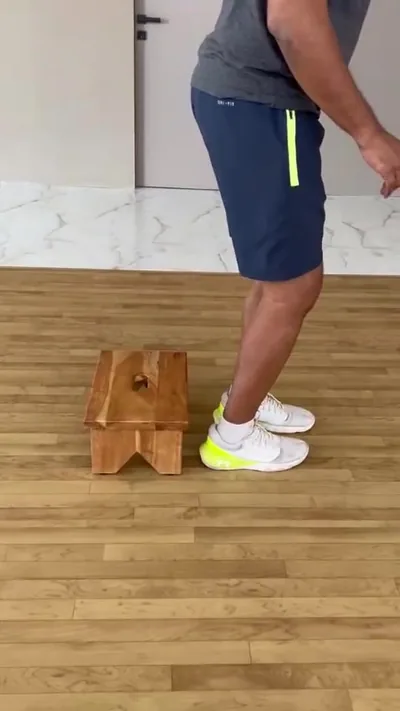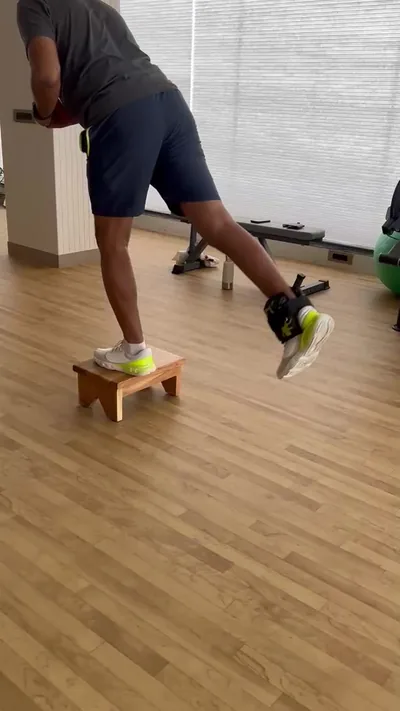
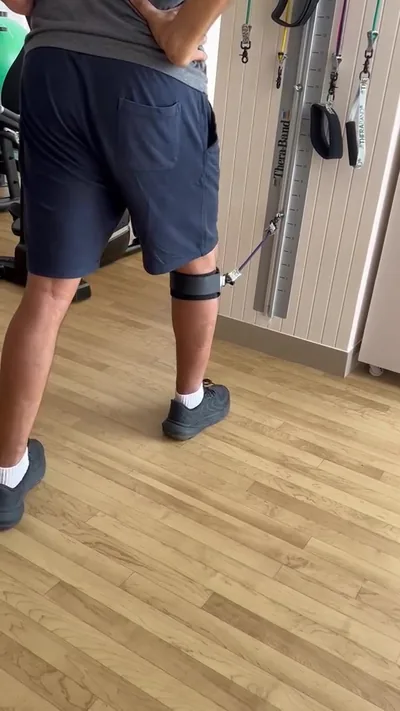
Backward Walking in ACL Rehab Phase 2
Backward walking helps athletes recover from ACL injuries. It builds knee stability in Phase 2 of rehab. This exercise targets quadriceps and improves control after surgery…
Read article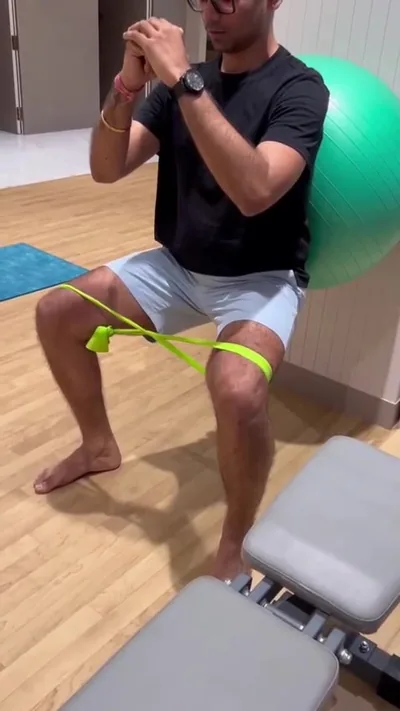

After knee replacement surgery, week 3 is key for home recovery. Your wound should heal steadily, but infection risks remain. Spotting signs early helps avoid setbacks. This guide covers what to watch for, safe home checks, and how a physiotherapist approaches post-op concerns.
Focus on observable changes around your incision. Normal healing brings mild discomfort that eases over time. Any sudden shift needs attention. Always seek in-person checks for personal advice—do not self-diagnose. A physiotherapist assesses gait, range of motion, and wound site to rule out movement-linked issues.
Trivayu Physio Center in Vaishali Nagar and Vidyadhar Nagar supports post-surgery rehab. Our team, including Dr. Hritika Choudhary with post-op expertise, monitors progress through guided sessions.
Infection after knee surgery happens when germs enter the wound. Symptoms can appear days or weeks later. Week 3 brings more home activity, raising risks if hygiene slips. Risks rise with poor dressing care, skin breaks from friction, or delayed mobility that pools fluids.
Early action limits damage. Your body fights minor issues, but deeper infections spread fast. Watch for changes—many signs overlap with normal healing. A physio checks subtle links, like tight bandages causing warmth. Looking for a Physiotherapy Near Me? Our team in Vaishali Nagar, Jaipur can assess you in person.
Home monitoring lets you track daily. Note patterns over hours. Log time, symptoms, and triggers like walking distance. Share logs during physio visits for adjustments.
Look for clear changes in your knee incision. Here are main signs. A physiotherapist would palpate gently to confirm and test knee stability:
These signs build over 1-2 days. Track with notes or photos for your doctor. Take daily photos at same light and angle, knee straight.
Daily checks keep you ahead. Follow these steps. A physio teaches these during visits:
Normal healing at week 3 shows fading redness, less swelling and dry incision. Stitches may itch—scratch nearby. Mild warmth fades with ice. Infection brings steady worsening. Expect slight bruising yellowing, not deepening.
Keep the area dry. Shower with plastic wrap over dressing. Pat dry. Wear loose cotton clothes; change if sweat-damp. Elevate knee 30 minutes thrice daily, pillows under calf.
Risks include bacteria from unwashed hands, shared towels, or pets near bed. Wipe walker grips daily with soap solution. Avoid baths or pools until cleared.
Act fast on red flags. Contact help if you see pus from knee wound, fever after knee surgery or pain increasing week 3 knee replacement. Spreading redness or swelling also needs quick review. One sign may wait; two or more mean call now. More on Knee Pain Treatment and how we assess it.
Reach out for new warmth, ongoing fever or wound changes. Physios spot rehab issues—like poor quad activation hiding infection pain. At Trivayu Physio Center, Vaishali Nagar (204, 2nd Floor, Om Tower, Gandhi Path Road, Nemi Nagar) or Vidyadhar Nagar, we offer Post-Surgery & Joint Replacement Rehab. Dr. Hritika Choudhary leads post-op care.
Call your surgeon first for urgent signs—wound opens, pus flows, fever spikes. Physio follows for movement guidance. Expect wound visual check, knee flexion test, and gait watch. Open Mon-Sat 8 am-8 pm, Sun 10 am-1 pm.
Gentle movement aids healing. Walk short distances with crutches or walker as advised—start 5 minutes, add 2 daily if pain-free. Rest with knee elevated above heart level.
Ice for 15-20 minutes every few hours reduces swelling—wrap in cloth. Avoid heat early on. Follow dressing changes per surgeon notes.
Physio builds strength through guided exercises. Start with ankle pumps: 10 reps hourly. Add straight leg raises once cleared—lie flat, tighten thigh, lift 15 cm, hold 5 seconds. Orthopaedic Rehabilitation targets knee alignment. Manual Therapy eases joint stiffness. Electrotherapy cuts pain via TENS. Book an in-person assessment at Trivayu for tailored Post-Surgery Rehab. Sessions last 45 minutes, using your logs. You may also find Knee Replacement Infection Signs in Jaipur: When to Call Physio useful.
First physio visit: history review, wound check, passive knee bends, active heel slides, standing transfers. Home plan: 3 daily sets of 10 reps, progressing weekly.
Early clues include redness spreading from edges, new warmth, mild pus or low fever. Watch if they grow over a day. Physiotherapists teach distinguishing from stiffness.
Wash hands, view in bright light, feel for heat and note any fluid. Compare to your other knee. Add knee bend test: does it hurt more than yesterday?
Call for rising pain, wound changes or fever. We guide home monitoring and adjust exercises.
Some pinkness near the cut is common. Worry if it spreads, darkens or pairs with heat or pus. Physio checks if linked to exercise.
Take temperature again. Rest, hydrate and call your doctor. Note if knee feels stiffer.
We review logs, inspect site, test range and strength. No diagnosis—just flags for surgeon.
Yes, pain from weakness mimics infection. Track rest pain separately from exercise pain.
Spotting knee replacement infection signs early supports recovery. Home checks build confidence, but professional eyes catch more. Track changes and stay connected with your care team.
Book an assessment at Trivayu Physio Center today. WhatsApp or call +91 90570 65065.
Physiotherapy is not the right first step for everything. Seek medical assessment promptly if any of the following apply to you:
If you lose control of your bladder or bowels, develop numbness around the groin, or have chest pain or breathlessness, treat it as an emergency and go to hospital.
Truly thankful to Dr. Jyoti Choudhary and the entire team of Trivayu Physio Centre for their genuine care, humble behaviour, and excellent treatment.
Mahesh Dhaka, Google review
This is one patient's own account, published with consent on our reviews page. It describes their experience, not a predicted outcome. Individual results vary.
Backward walking helps athletes recover from ACL injuries. It builds knee stability in Phase 2 of rehab. This exercise targets quadriceps and improves control after surgery…
Read articleAfter ACL surgery, rebuilding knee strength takes time and care. ACL rehabilitation phases guide this process step by step. Phase 1 protects the graft and cuts…
Read articleAfter hip replacement surgery, dressing your lower body safely helps build independence. By week 6 of hip replacement recovery, many patients aim to dress without help.…
Read articleMessage us on WhatsApp with your main concern and preferred time, and we'll confirm your first visit the same day.