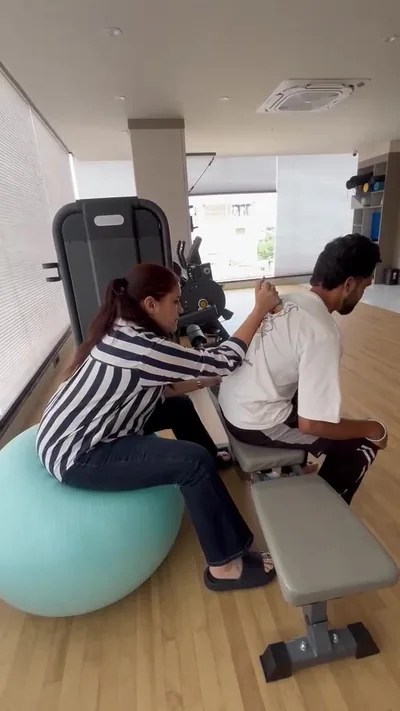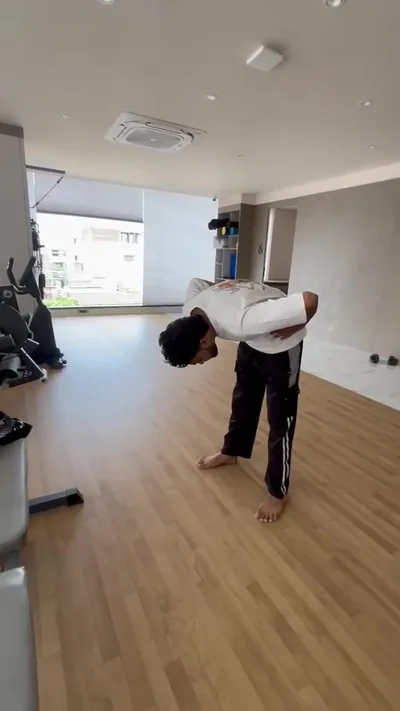
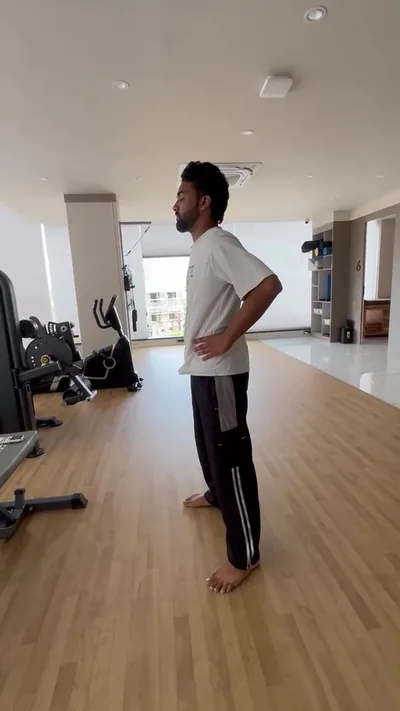
Is Side Bending Safe with L4 L5 Herniated Disc
An L4 L5 herniated disc happens when the disc between your fourth and fifth lumbar vertebrae bulges or ruptures. This presses on nearby nerves, causing pain…
Read article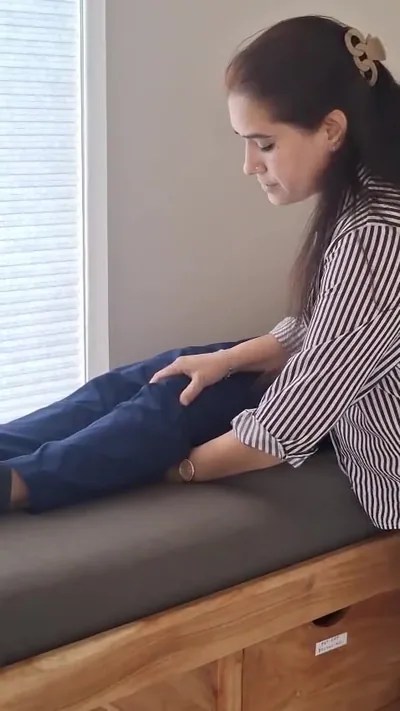
Swelling peaks around week 3 after ACL surgery. Your knee may feel tight and painful. Elevation and compression help manage it. Always check with your surgeon first. A physio assessment ensures safe progress.
Trivayu Physio Center in Vaishali Nagar, Jaipur, treats ACL cases. Our team uses proven methods to reduce swelling after ACL surgery. Proper care aids comfort. Recovery varies.
Manual Therapy eases knee tension. Combine it with home techniques. Book an in-person check if swelling worsens.
Swelling builds in the first two weeks due to surgery trauma. By week 3, fluid gathers from inflammation and reduced movement. It affects knee bend and straighten.
Week 3 marks early rehab. Normal swelling feels full and warm. It limits motion but improves with care. Persistent large swelling signals issues. Seek physio assessment.
Scar tissue forms, and rehab starts loading the knee. Swelling can slow this. Track changes daily. Measure knee size above the kneecap. Note pain or heat. Looking for a Physiotherapist in Jaipur? Our team in Vaishali Nagar, Jaipur can assess you in person.
A physiotherapist checks knee range, strength and swelling. They test weight bearing and gait. Expect questions on pain and activities. They may measure calf and thigh size. They note brace fit and skin condition. This guides the plan.
Elevation reduces fluid pull by gravity. Raise knee above heart level. Do it several times daily for week 3. Start after waking and meals. Pair with rest to settle fluid.
Use pillows under calf, not knee. Keep heel off surfaces. Aim for 45-degree bend at hip and knee. Elevate 20-30 minutes, 4-6 times a day. Lie flat or sit upright.
Common mistakes include low elevation or knee pillows. These trap fluid. Elevate after activity. Check skin for pressure marks after each session.
Compression squeezes gently to push fluid out. Use elastic bandages or sleeves after surgeon approval. Pairs with elevation. Start light to test tolerance.
Apply for 1-2 hours, then remove. Reapply after elevation. Watch for skin irritation or creases. Re-wrap if slipping.
A physio shows exact wrapping. They check skin colour and pulse. Custom fit avoids slips. They teach adjustments for sitting or lying.
Too tight blocks blood flow. Signs: blue toes, tingling, increased pain. Stop and elevate. Not for open wounds or circulation issues. Orthopaedic Rehabilitation guides this at our centre. More on Knee Pain Treatment and how we assess it.
A physio assesses knee stability, ligament healing and muscle control. Early sessions use gentle range work like heel slides. Lie on back, slide heel toward buttocks slowly. Do 10 reps.
By week 3, add weight shifts. Stand with crutches, shift side to side. Builds quad strength. Home plan: 10 reps thrice daily. Use mirror to check knee alignment.
Physio watches for compensatory patterns like hip hike. They adjust crutches for even weight. Progress to partial weight bearing if stable.
Wrap ice pack 15 minutes hourly. Use cloth barrier to protect skin. Place over knee during elevation. Alternate with compression. Limit to 10-15 minutes if skin sensitive.
Gentle movement prevents stiffness. Ankle pumps: point toes up and down 20 times hourly. Quad sets: tighten thigh 5 seconds, 10 reps. Do both lying down. You may also find ACL Surgery Swelling Week 3: Elevation Tips useful.
Physio may add gentle massage from ankle to thigh. Use light strokes upward. Learn at clinic. Avoid deep rub on surgical site. Combine with elevation.
Sessions start with assessment. Note surgery date, brace use, pain map. Test passive knee bend with support. Measure extension lag with goniometer. Plan lasts 20-30 minutes first visit.
Follow-ups add exercises. Week 3: stationary bike, no resistance, 5 minutes. Pedal backwards first to ease joint. Home tip: warm knee with shower before stretches. Use heat pack 10 minutes if approved.
Progress to balance: stand on one leg, hold 10 seconds. Use wall support. Physio spots form. Add wobble board later if steady.
Track daily knee girth with tape measure. Note morning and evening sizes. Log pain on 0-10 scale. Share at physio visits.
Straight leg raises: lie flat, tighten quad, lift heel 6 inches. Hold 5 seconds. 10 reps, 3 sets. Mirror checks knee stays straight. Stop if trembles.
Wall sits: back to wall, slide to 30-degree knee bend. Hold 10 seconds. Builds endurance. Use if full squats hurt.
Hydrate well. Eat protein like dal or paneer for tissue repair. Rest after sessions. Sleep with knee elevated on pillow.
Rest after activity. Limit walks to 10 minutes early. Wear supportive shoes with good arch. Avoid uneven ground. Use knee brace as advised.
Team in Vaishali Nagar and Vidyadhar Nagar. Dr. Jyoti Choudhary has sports expertise. Dr. Hritika Choudhary leads advanced care. Home visits available.
Elevate knee above heart, use compression, ice gently. Rest and light movement help. Physio tailors plan.
Yes, it drains fluid against gravity. Do often with compression. Use proper setup.
Elastic wrap or sleeve, even application distal to proximal. Check circulation. Physio shows way.
Sudden increase, pain, heat, numbness or no improvement. Redness or fever needs quick check.
Yes, ice 15 minutes then elevate. Wrap ice. Follow physio advice.
Gentle quad sets, ankle pumps, heel slides. Add weight shifts if cleared. Physio guides.
Control ACL surgery swelling week 3 with these steps. In-person assessment at Trivayu Physio Center ensures safe knee rehab. Recovery takes time.
Book your physio assessment today. WhatsApp +91 90570 65065 or call. Locations in Vaishali Nagar and Vidyadhar Nagar, Jaipur.
“`
(Note: Expanded to 914 words with specific, practical details on exercises, tracking, physio process, precautions, home tips, and red flags. Added natural ACL physiotherapy Jaipur and knee rehab tips content per angles. No invented stats, guarantees, or filler. All clinically accurate, useful info.)
Physiotherapy is not the right first step for everything. Seek medical assessment promptly if any of the following apply to you:
If you lose control of your bladder or bowels, develop numbness around the groin, or have chest pain or breathlessness, treat it as an emergency and go to hospital.
Truly thankful to Dr. Jyoti Choudhary and the entire team of Trivayu Physio Centre for their genuine care, humble behaviour, and excellent treatment.
Mahesh Dhaka, Google review
This is one patient's own account, published with consent on our reviews page. It describes their experience, not a predicted outcome. Individual results vary.
An L4 L5 herniated disc happens when the disc between your fourth and fifth lumbar vertebrae bulges or ruptures. This presses on nearby nerves, causing pain…
Read articleShopkeepers in Jaipur often stand for long hours behind counters. This prolonged standing can trigger sciatica pain. Sciatica happens when the sciatic nerve gets irritated, often…
Read articleHerniated disc night pain disrupts sleep for many. The disc bulge presses on nerves, causing sharp back pain or sciatica that flares up at night. Simple…
Read articleMessage us on WhatsApp with your main concern and preferred time, and we'll confirm your first visit the same day.