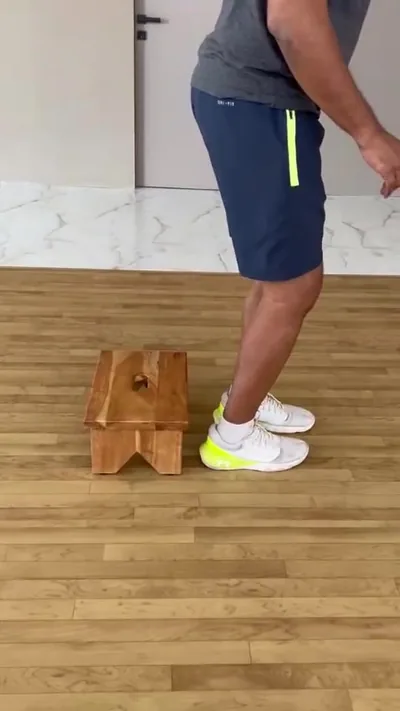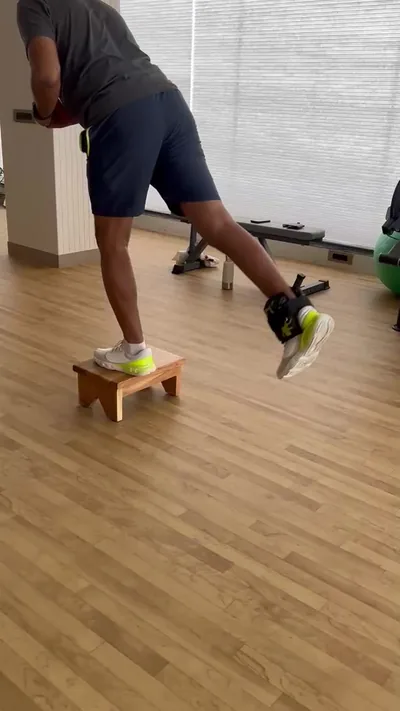
Backward Walking in ACL Rehab Phase 2
Backward walking helps athletes recover from ACL injuries. It builds knee stability in Phase 2 of rehab. This exercise targets quadriceps and improves control after surgery…
Read article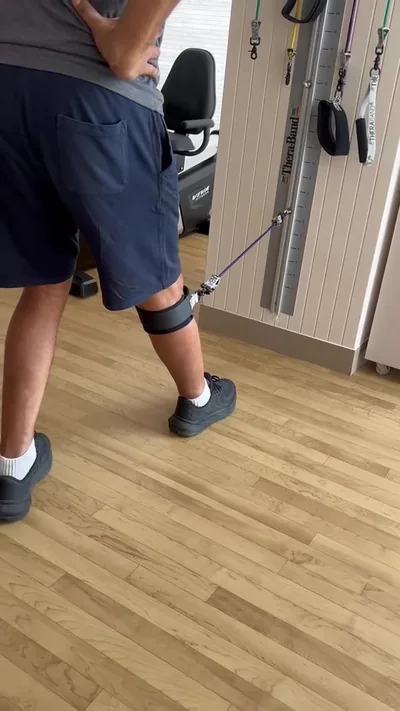

Swelling is common after ACL surgery. In week 3 of recovery, knee swelling often peaks. This happens as your body heals the surgical site. Elevation helps reduce it by working against gravity. Compression adds support. Together, they ease discomfort in ACL rehab phase 1.
Post ACL surgery care focuses on simple steps like these. They aid knee swelling management at home. Always follow your surgeon’s advice. If swelling worsens, seek help. These tips support your ACL recovery week 3.
Trivayu Physio Center in Jaipur offers guidance on such issues. Their team handles post-surgery rehab well.
After ACL surgery, swelling builds up fast. It starts right after the operation. Your knee fills with fluid from tissue damage and inflammation. This is normal in the first few weeks.
By week 3, swelling may peak for many. Blood flow increases as healing begins. The knee joint stays irritated from surgery. This leads to more fluid buildup. Knee swelling after ACL surgery feels tight and limits movement.
Not all swelling follows the same timeline. Factors like activity level affect it. Rest more if it persists. Watch for signs like redness or heat, which could mean infection.
Seek professional help if swelling does not improve. Pain that grows or fever needs quick attention. A physiotherapist checks for issues early. They assess your knee in person to guide next steps.
Elevation uses gravity to drain fluid from your knee. Raise your leg above heart level. This pulls swelling fluid back into your bloodstream. It reduces pressure in the knee. Looking for a Physiotherapy Clinic Near Me? Our team in Vaishali Nagar, Jaipur can assess you in person.
Practical tips for elevating knee at home: Lie on your back. Prop your leg on pillows. Aim for 45-60 minutes, several times a day. Keep your heel off the surface to avoid pressure points. Do this after meals or rest times for ease.
Common mistakes to avoid: Do not bend your knee too much while elevated. Flat lying without enough height fails to work. Avoid dangling your leg down, even for short times. Consistency matters in elevation for knee swelling.
A physiotherapist shows exact positioning during assessment. They check if elevation suits your case.
Compression squeezes the tissues gently. It limits fluid spread in the knee. Benefits include less swelling after knee surgery and better circulation. Use it after doctor approval.
Apply safely in week 3: Choose an elastic bandage or sleeve. Start below the knee and wrap upwards. Keep tension even but not too tight. You should fit two fingers under it. Re-wrap every few hours or if loose.
Types of wraps: Tubigrip offers light support. ACE bandages give adjustable pressure. Knee sleeves provide steady compression. Pick based on comfort. Remove at night unless advised. Check skin often for marks or colour change.
Your physiotherapist demonstrates wrapping technique. They ensure it fits your recovery stage.
Pair elevation and compression for best results in reducing knee swelling post ACL. Start with elevation alone. Add compression wrap knee during sessions. This boosts fluid drainage. More on Knee Pain Treatment and how we assess it.
Integrate with ice and gentle movement. Ice numbs pain and cuts swelling. Do ankle pumps: point toes up and down 10 times hourly. This aids circulation without stressing the knee. Avoid full knee bends now.
Signs of too much pressure: Increased pain, numbness, or blue toes. Stop and loosen right away. Adjust based on how your knee feels daily. Track sessions in a notebook for patterns.
Home care ACL recovery starts with protection. Keep the knee stable. Use crutches as prescribed in week 3. Limit weight on the leg to avoid setback.
Manage pain with elevation, compression, and ice – known as RICE method. Rest means no high-impact activity. Ice in a cloth-wrapped pack for 10-15 minutes every 2 hours. Check skin stays cool, not frozen.
Watch diet for healing: Eat protein-rich foods like dal, eggs, or paneer. Stay hydrated. Avoid smoking, which slows recovery. Sleep with knee elevated on pillows. You may also find First Week After ACL Surgery Physiotherapy useful.
Gentle exercises for ACL rehab phase 1: Quad sets – tighten thigh muscle for 5 seconds, 10 times hourly. Straight leg raises if approved: lift leg 6 inches off bed, hold 5 seconds. Do 10 reps, 3 times daily. Stop if pain increases.
A physiotherapist tailors these to your progress. They check muscle strength and knee range in clinic.
ACL rehab phase 1 covers weeks 1-2 after surgery, sometimes into week 3. Goals: Reduce swelling, regain full knee extension, build quad strength. Swelling blocks progress here.
Daily routine: Morning elevation and compression session. Midday quad sets and ankle pumps. Evening ice with gentle heel slides – slide heel towards buttocks slightly if pain-free.
Track swelling: Measure knee with a tape daily at same spot. Note changes. If no drop after 3 days, get assessed. Physiotherapists use tools to measure fluid exactly.
Orthopaedic Rehabilitation at Trivayu guides this phase. They focus on safe progression.
Red flags for swelling include sudden increase, hot skin, or pus. Chest pain or breathlessness signals clot risk. Contact your doctor fast.
An in-person assessment spots problems early. At Trivayu Physio Center, experts review your progress. They use Manual Therapy to ease tissues. Electrotherapy helps with pain and swelling control. Their post-op rehab suits ACL recovery.
Located in Vaishali Nagar and Vidyadhar Nagar, they guide home care too. Book for personalised ACL rehab phase 1 plans. They adjust based on your surgeon’s notes.
Swelling reduces over weeks to months. Most see big drop by week 6. Full settling takes longer. Varies by person and care.
Yes, it aids drainage well. Use it often for best effect in ACL surgery swelling week 3.
Elastic wraps or sleeves work. Choose firm but comfortable fit. Ask your physio for the right type.
Worry if it worsens suddenly, with fever, redness, or calf pain. See a doctor promptly.
Light walking helps if pain-free. Use crutches as advised. Limit to avoid more swelling.
Book a physio assessment. They check for underlying issues and adjust your plan.
Manage ACL surgery swelling week 3 with these steps. Stay consistent for better recovery. Track changes daily. Protect the knee from twists or falls.
Book an assessment at Trivayu Physio Center today. WhatsApp or call +91 90570 65065 for help with your knee swelling management.
Physiotherapy is not the right first step for everything. Seek medical assessment promptly if any of the following apply to you:
If you lose control of your bladder or bowels, develop numbness around the groin, or have chest pain or breathlessness, treat it as an emergency and go to hospital.
Truly thankful to Dr. Jyoti Choudhary and the entire team of Trivayu Physio Centre for their genuine care, humble behaviour, and excellent treatment.
Mahesh Dhaka, Google review
This is one patient's own account, published with consent on our reviews page. It describes their experience, not a predicted outcome. Individual results vary.
Backward walking helps athletes recover from ACL injuries. It builds knee stability in Phase 2 of rehab. This exercise targets quadriceps and improves control after surgery…
Read articleAfter ACL surgery, rebuilding knee strength takes time and care. ACL rehabilitation phases guide this process step by step. Phase 1 protects the graft and cuts…
Read articleAfter hip replacement surgery, dressing your lower body safely helps build independence. By week 6 of hip replacement recovery, many patients aim to dress without help.…
Read articleMessage us on WhatsApp with your main concern and preferred time, and we'll confirm your first visit the same day.