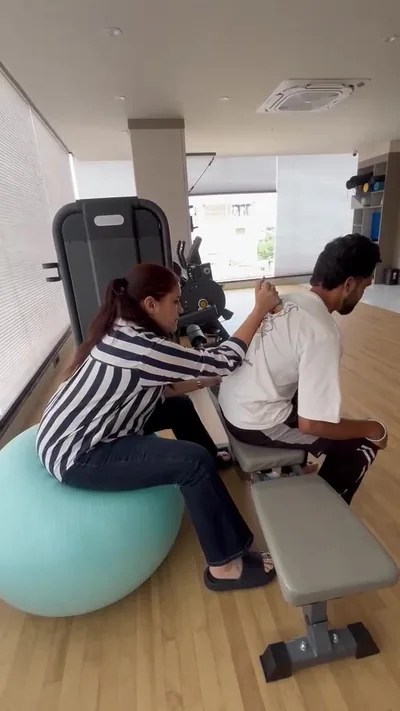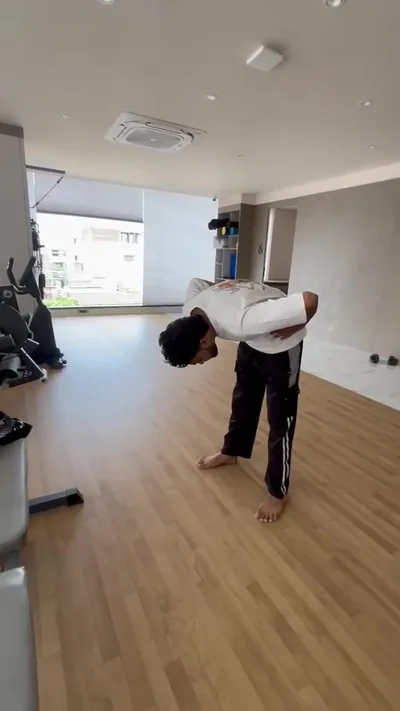
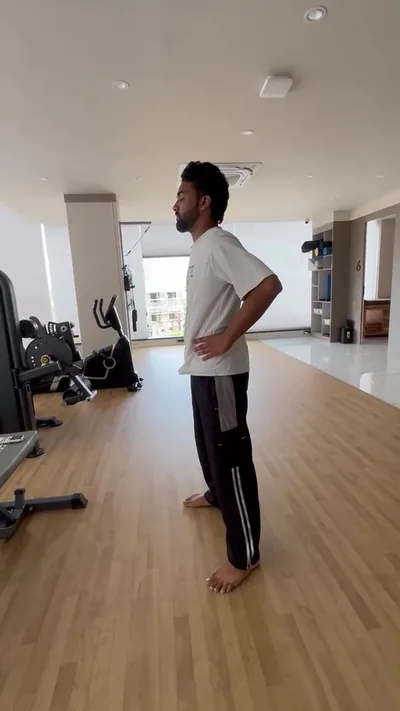
Is Side Bending Safe with L4 L5 Herniated Disc
An L4 L5 herniated disc happens when the disc between your fourth and fifth lumbar vertebrae bulges or ruptures. This presses on nearby nerves, causing pain…
Read article

After knee replacement surgery, week 3 marks a key time in recovery. Your wound should show steady healing. The outer layer often forms a scab or closes. Deeper tissues knit together more slowly. Infection risks remain. Spotting knee replacement infection week 3 early prevents bigger problems. This guide shares home monitoring tips for knee replacement wound infection signs. It covers what a physiotherapist checks during visits and how to mimic those steps at home.
Typical healing brings less pain and better movement. You might bend the knee further and walk short distances with less support. Some changes signal trouble. Watch for post knee replacement infection symptoms week 3 like rising pain or warmth. These early infection signs knee replacement patients need to know come from daily checks. A physiotherapist compares both knees, notes skin colour and feels for heat differences.
Trivayu Physio Center in Vaishali Nagar, Jaipur, supports post-surgery recovery. Our team helps with rehab after assessments. Contact your surgeon first for concerns. They decide on infection treatment.
Knee replacement recovery infection risks peak around week 3. The outer wound layer often closes. Deeper tissues heal slower. Bacteria can enter if care slips. The joint sits close to the incision, so deep infections spread fast if ignored.
Week 3 matters because the wound scab softens. Movement increases, raising friction risks. Exercises or weight-bearing pull on skin edges. Common causes include poor hygiene, loose dressings or skin breaks. Sweat or water exposure adds chances. Touching with unwashed hands spreads germs. No two recoveries match, so stay alert. Looking for a Rehabilitation Centre Near Me? Our team in Vaishali Nagar, Jaipur can assess you in person.
Your body fights most threats with white blood cells and immune response. Knee wound healing week 3 needs watching. Redness around knee wound or shifts mean check closer. A physiotherapist asks about your routine: showering, dressing changes and activity. They inspect without removing dressings unless surgeon-cleared.
Signs of infection after knee surgery week 3 show through changes. Focus on home observation. Look daily without forcing the dressing. A physiotherapist uses gloves and good light. At home, use daylight or a lamp.
These knee replacement wound infection signs build over days. Track patterns. Note if they worsen despite rest. A physiotherapist logs these and rechecks in 48 hours if mild. More on Knee Pain Treatment and how we assess it.
Daily home checks post knee surgery keep you safe. Do them seated with good light. Wash hands with soap for 20 seconds. A physiotherapist teaches this routine.
Keep dressings dry. Pat clean with soap and water as advised. Dry thoroughly. Avoid lotions near site. Wear loose clothes. Elevate leg above heart level twice a day for 20 minutes. Change position every 30 minutes when sitting.
Act if two signs appear together or one worsens fast. Contact surgeon same day. Examples: redness spreading with fever, or pus plus swelling after knee replacement. Call evenings or weekends. A physiotherapist flags these and insists on surgeon contact.
Suspect trouble? Note symptoms with times and photos. Use phone with good light. Avoid touching beyond light patting.
Call surgeon or clinic right away. They guide steps like antibiotics or checks. Rest knee fully. Ice wrapped for 15 minutes if swelling, not on open skin. You may also find Knee Replacement Infection Signs Week 3 at Home useful.
Physiotherapy aids knee replacement recovery infection control indirectly. At Trivayu Physio Center, Post-Surgery & Joint Replacement Rehab supports movement after doctor clearance. Manual Therapy eases stiffness. We offer in-clinic and home visits in Vaishali Nagar and Vidyadhar Nagar. We check wounds visually and report concerns.
Follow surgeon rules on dressings. Change only as told. Use sterile technique.
Start ankle pumps: 10 times hourly for circulation. Progress to seated knee bends when pain-free. Orthopaedic Rehabilitation helps long-term. Electrotherapy reduces pain. A physiotherapist demonstrates moves and adjusts for wound status.
Redness around knee wound, pus from incision, swelling after knee replacement, warmth, odour, pain increasing week 3 or fever after knee surgery. Track if they grow together.
Inspect daily for colour changes, measure swelling, track temperature and pain. Compare knees. Log everything.
If it spreads, worsens or pairs with fever or pus. Call doctor if knee infection signs appear.
Over 38°C with chills signals post knee replacement infection symptoms week 3. Check in.
Log symptoms, photo wound and contact surgeon. Rest knee. Avoid heat pads.
Scab dry, edges closing, less ooze. Some pinkness fades. No streaks or heat.
Monitor your knee closely in week 3. Early steps protect recovery. Book an assessment at Trivayu Physio Center. WhatsApp or call +91 90570 65065. We guide safe progress after surgeon okay.
Physiotherapy is not the right first step for everything. Seek medical assessment promptly if any of the following apply to you:
If you lose control of your bladder or bowels, develop numbness around the groin, or have chest pain or breathlessness, treat it as an emergency and go to hospital.
Truly thankful to Dr. Jyoti Choudhary and the entire team of Trivayu Physio Centre for their genuine care, humble behaviour, and excellent treatment.
Mahesh Dhaka, Google review
This is one patient's own account, published with consent on our reviews page. It describes their experience, not a predicted outcome. Individual results vary.
An L4 L5 herniated disc happens when the disc between your fourth and fifth lumbar vertebrae bulges or ruptures. This presses on nearby nerves, causing pain…
Read articleShopkeepers in Jaipur often stand for long hours behind counters. This prolonged standing can trigger sciatica pain. Sciatica happens when the sciatic nerve gets irritated, often…
Read articleHerniated disc night pain disrupts sleep for many. The disc bulge presses on nerves, causing sharp back pain or sciatica that flares up at night. Simple…
Read articleMessage us on WhatsApp with your main concern and preferred time, and we'll confirm your first visit the same day.