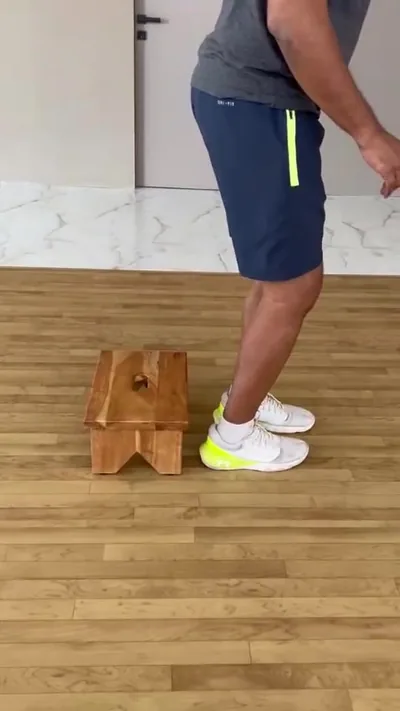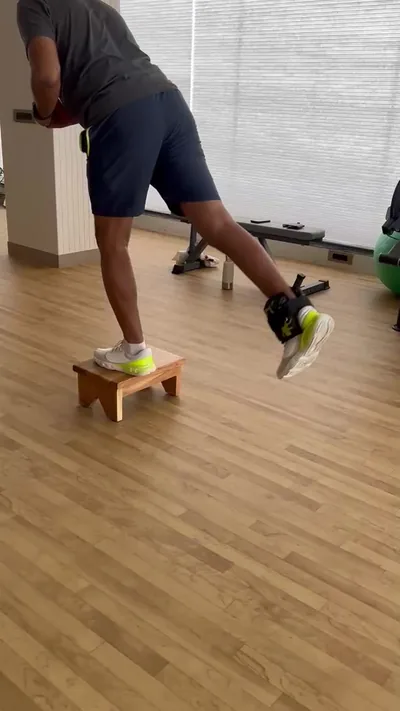
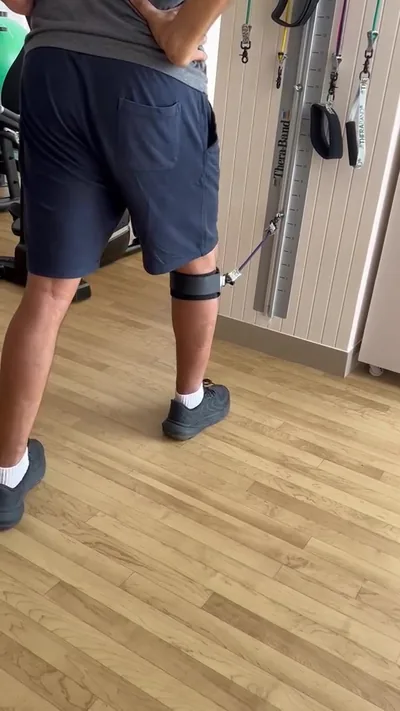
Backward Walking in ACL Rehab Phase 2
Backward walking helps athletes recover from ACL injuries. It builds knee stability in Phase 2 of rehab. This exercise targets quadriceps and improves control after surgery…
Read article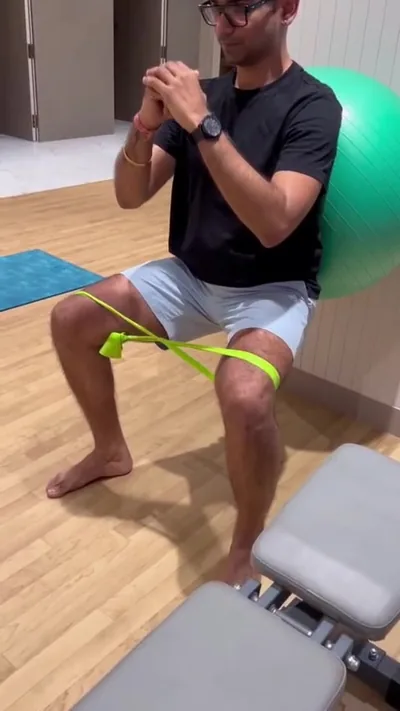

After knee replacement surgery, a walker helps safe walking in weeks 1-4. This period focuses on stability and joint protection.
In Jaipur, patients start home rehab but need guidance. Trivayu Physio Center offers post-surgery rehab to teach walker use.
Follow these steps for safe walker walking. Check with your doctor first.
A walker provides balance and unloads the operated knee in weeks 1-4. It prevents strain while muscles strengthen. Without support, falls or delayed healing risk increases.
Types include standard four-leg walkers and wheeled walkers. Standard offers stability when balance is weak. Wheeled suits later if surgeon approves and control is steady.
A clinic check fits the walker to your recovery stage. Physiotherapists adjust to avoid slouching or locked knees, which stress hip or back.
Week 1: basic mobility, toe-touch weight on operated knee. Walker for short distances like bed to bathroom.
Week 2: partial weight bearing if approved. Walk 5-10 metres with pauses. Monitor swelling by measuring thigh circumference, stiffness by knee bend angle, incision for redness. Looking for a Physiotherapy Near Me? Our team in Vaishali Nagar, Jaipur can assess you in person.
Weeks 3-4: build endurance to room lengths, even steps on both legs. Check limping or knee valgus (inward collapse), cue “knee over toes” during steps.
Daily routine: walk three times with rest, elevate leg above heart level 20 minutes after each, seated exercises like foot pumps.
Physiotherapist approach: weekly goals based on in-person tests like single-leg stance time or step height.
Use full support, limit weight as surgeon advises. Stand tall inside walker frame before any step. Keep operated knee soft, not locked.
Avoid leaning forward, which shifts weight wrong, or twisting knee outward. Keep steps short, 15-20 cm. If dizzy or light-headed, sit immediately and tell doctor.
At Trivayu, we demonstrate in mirrors, correct dragging foot with cues like “lift toes,” and use slow-motion practice for control.
Shift to partial support if pain lessens below 3/10, balance steady on tests. Test with light one-handle hold or parallel bars first.
Readiness signs: 10-15 steps with less arm pressure, no sharp pain at knee or hip, even stride length.
Clinic sessions include timed 20-metre walks, observing speed and symmetry. Transition to cane if hold one handle for full room without wobble.
Clear floors of rugs, cords, or mats that slip. Arrange chairs at knee height for easy sit-stand. Place walker within arm’s reach from bed, sofa, toilet. Read more about our Orthopaedic Physiotherapy.
Use on level surfaces only; avoid stairs alone in early weeks. For steps with railing: mark good leg up first, operated leg down first, walker on landing.
Wear non-slip shoes with firm arch support and laced tight. Check walker daily: tighten bolts, inspect tips for cracks, shake for loose parts.
For wheeled walkers: lock rear wheels before stepping in, practice emergency braking by stopping mid-step. Physiotherapists simulate home paths in clinic.
Walk with spotter for first week home. Stop if knee buckles, swells more, or pain jumps. Use cautiously on carpet; test grip first.
For pain or swelling, ice pack 15 minutes every 2 hours, elevate leg straight.
Combine with deep breathing: inhale 4 counts, exhale 6, during walks to relax and control pain. Physiotherapists teach this during sessions.
Starts day one post-surgery: bed exercises like quad sets (tighten front thigh muscle 5 seconds, relax, 10 reps hourly), glute squeezes (clench buttocks 5 seconds, 10 reps), knee bends over bed edge (let knee hang, gentle push 10 times). You may also find Hip Replacement Gait Training Weeks 3-6 in Jaipur useful.
Progress to standing: ankle circles clockwise and anti, 10 each way.
Monitor for redness, heat, pus at incision; refer to surgeon immediately if present. Custom plans consider job demands like standing hours or stairs at home.
Hands-on techniques: soft tissue mobilisation to calf and thigh, joint glides to improve knee tracking during steps.
In Jaipur, early post-surgery physio prevents stiffness and builds confidence with walker. Trivayu focuses on individual needs, starting from hospital discharge.
Book if walker use increases pain, swelling, instability, or if stuck on short distances past week 2. Trivayu specialises in post-surgery rehab for knee replacement.
Team: Dr. Jyoti Choudhary (17+ years in orthopaedics, sports rehab), Dr. Hritika Choudhary (expert in post-op knee recovery), others trained in early rehab protocols.
Locations: Vaishali Nagar, 204, 2nd Floor, Om Tower, Gandhi Path Road, Nemi Nagar; Vidyadhar Nagar, Rangoli Gardens. Hours: Mon-Sat 8am-8pm, Sun 10am-1pm.
Use continues until steady gait without pain, often guided by surgeon and physiotherapist checks over weeks.
Walker ahead 30-40 cm, handles at wrist height, step operated leg first then good leg, straight posture, small even steps. Practice with physio.
When walking 20 metres steady without pain or wobble. Get clinic clearance before switching to cane or independent walking.
Yes, teaches exact technique, fits walker properly, spots errors like uneven steps, adds strength exercises.
Ankle pumps, heel slides, quad sets, straight leg raises while holding walker steady. Physiotherapist customises based on daily checks.
Mastering walker use with proper guidance speeds safe mobility gains. Consistent practice under supervision builds lasting strength.
Book at Trivayu Physio Center. Contact +91 90570 65065.
Physiotherapy is not the right first step for everything. Seek medical assessment promptly if any of the following apply to you:
If you lose control of your bladder or bowels, develop numbness around the groin, or have chest pain or breathlessness, treat it as an emergency and go to hospital.
Truly thankful to Dr. Jyoti Choudhary and the entire team of Trivayu Physio Centre for their genuine care, humble behaviour, and excellent treatment.
Mahesh Dhaka, Google review
This is one patient's own account, published with consent on our reviews page. It describes their experience, not a predicted outcome. Individual results vary.
Backward walking helps athletes recover from ACL injuries. It builds knee stability in Phase 2 of rehab. This exercise targets quadriceps and improves control after surgery…
Read articleAfter ACL surgery, rebuilding knee strength takes time and care. ACL rehabilitation phases guide this process step by step. Phase 1 protects the graft and cuts…
Read articleAfter hip replacement surgery, dressing your lower body safely helps build independence. By week 6 of hip replacement recovery, many patients aim to dress without help.…
Read articleMessage us on WhatsApp with your main concern and preferred time, and we'll confirm your first visit the same day.