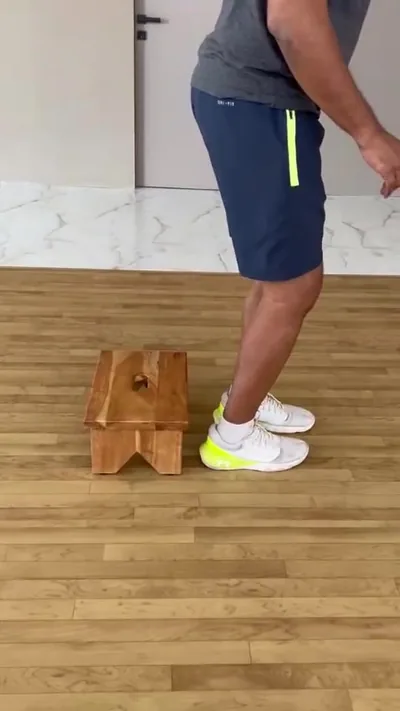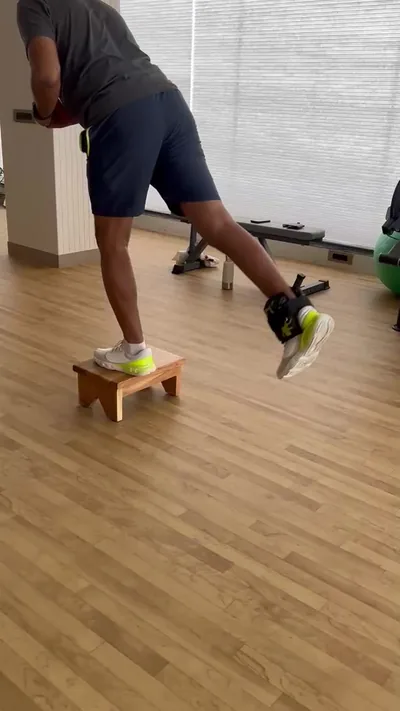
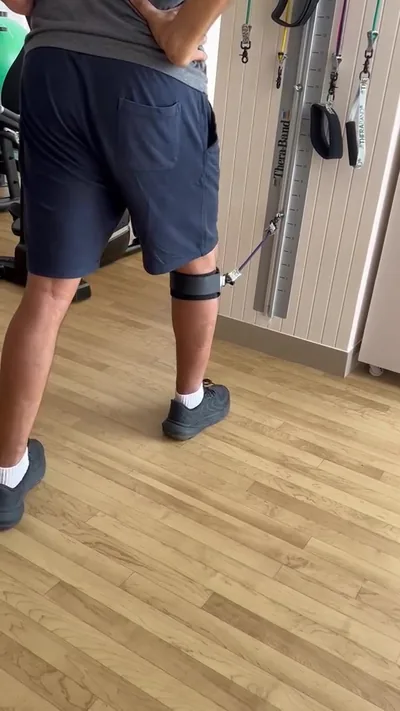
Backward Walking in ACL Rehab Phase 2
Backward walking helps athletes recover from ACL injuries. It builds knee stability in Phase 2 of rehab. This exercise targets quadriceps and improves control after surgery…
Read article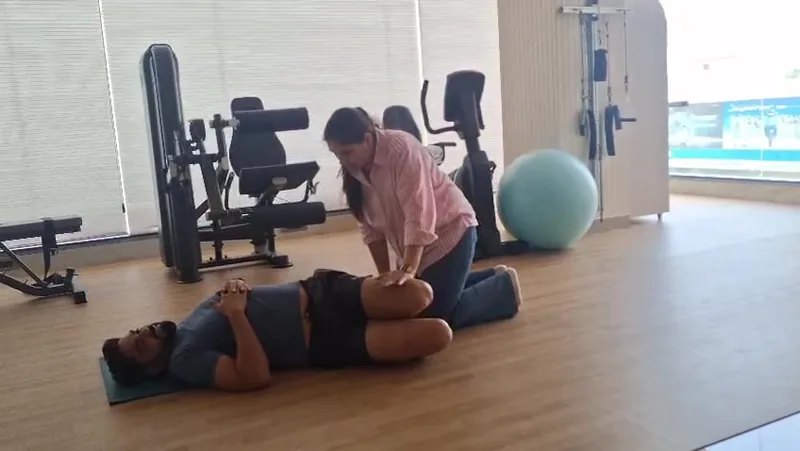
After hip replacement surgery, gait training helps you walk safely. In weeks 3-6, progress from walker to independent walking. This builds strength and balance.
Trivayu offers Post-Surgery & Joint Replacement Rehab. Physiotherapists Dr. Hritika Choudhary, Dr. Ajit Choudhary and Dr. Jyoti Choudhary guide patients.
Progress varies by age, fitness and health. Elderly patients need steps to rebuild walking confidence. Get an in-person assessment before starting.
Gait training teaches normal walking patterns after hip replacement. It fixes limp, improves step length and stabilises hip. Muscles weaken and balance shifts post-surgery.
Weeks 3-6 allow more weight on the leg as hip heals. Early walking prevents stiffness and aids steady stride.
A physiotherapist assesses weight-bearing, balance and limp. They design exercises matched to needs.
Progression follows healing stages. Week 3: Full walker. Week 4: Partial support. Week 5: Cane. Week 6: Independent indoors. Physiotherapist checks form each visit.
Week 3: Walker for most walks. Bear more weight as pain allows. Small equal steps. Heel-toe pattern. Practice 5-10 minutes, three times a day.
This is a guide. Variation exists, especially in elderly recovery. Book in-person assessment at Trivayu for your plan.
A physiotherapist starts with your full history. They check hip range, muscle strength and current walking aids.
They set goals like walking 50 metres unaided by week 8. Sessions mix hands-on work and exercises.
For elderly patients, they focus on fall prevention. They add seated marches before standing work. They teach family how to spot unsafe steps at home.
Shift from walker to cane builds trust in the hip. In week 4, hold walker with one hand for short bursts. Feel the weight shift. Looking for a Physiotherapist Near Me? Our team in Vaishali Nagar, Jaipur can assess you in person.
Practice cane use on even floors. Step with operated leg, then cane together. Keep steps equal. If you tire, go back to walker.
To independent walking, drop the cane indoors first. Walk near a wall for touch support. Increase distance by 5 metres each session.
Do exercises under supervision. Dr. Hritika Choudhary oversees post-op rehab at Trivayu. Start in clinic, add home practice. Use a chair or wall for safety. Read more about our Geriatric Physiotherapy.
Do 2-3 times daily. Warm up with leg swings: Stand, swing operated leg forward-back 10 times.
Add strength work to gait training. These target glutes, quads and core.
Bridge: Lie back, feet flat. Lift hips even. Hold 5 seconds. 8-10 times. Squeeze glutes at top.
Straight leg raises: Lie back, tighten thigh muscle.
Progress to standing heel raises: Hold wall, rise on toes. 10 times. These fit Post-Surgery & Joint Replacement Rehab at Trivayu. Adjust in in-person sessions. You may also find Progress from Walker to Cane after Knee Replacement useful.
Elderly recovery takes a gentle pace. Start seated: Ankle pumps, seated knee lifts. Move to standing with two-hand support. Focus on balance over speed.
Physiotherapist adds fear-of-falling work. They practice stops and starts. Use a therapy band for resistance marches. Build confidence with short home walks logged daily.
Sessions include family training. Teach spotting uneven steps or quick grabs. Elderly patients gain independence faster with consistent checks.
Trivayu uses Manual Therapy, Myofascial Release (MFR) and Mulligan Concept (MWM) to ease tension and correct stride. MFR releases tight hip flexors.
Gait retraining uses treadmill with mirrors. Cues: heel first, toe push. Hands guide pelvis level. Progress to foam mats for uneven surfaces.
For elderly, start seated, add wall support. Clinics at Vaishali Nagar (Om Tower, Gandhi Path Road) and Vidyadhar Nagar (Rangoli Gardens).
Use cues: short steps, arms swing opposite legs, eyes ahead 5 metres forward. Practice indoors on carpet or tile.
Clinic sessions: 45 minutes, twice weekly. Warm-up 5 minutes marches. Gait practice 15 minutes. Strength 15 minutes. Balance 5 minutes. Ice if needed.
For safe walking, use non-slip shoes with good grip. Even floors first. Stairs: operated leg up first with rail, good leg down first.
Gait improvement shows in longer steps and less limp. Physiotherapist measures stride length weekly.
Retraining fixes common issues like short steps or hip drop. Week 3: Walker focus on symmetry.
Use metronome app for even pace. Physiotherapist cues "head tall, shoulders back." Home: Tape lines on floor for straight path.
Stop if pain beyond soreness, clicking, swelling or instability. Avoid crossing legs, hip past 90 degrees, deep squats or twisting pivots.
Contact for sudden pain, falls, redness, fever or no progress after two weeks. Book at Trivayu.
Partial weight bearing, balance drills, marching, side steps, heel-toe walking, single leg stance, step-overs. Under supervision. Add bridges and leg raises.
Week 3: Full support. Week 4: Partial. Week 5: Cane opposite hand. Week 6: No aids indoors.
By week 6 with good form. Varies, slower in elderly. Clearance after steady 20-metre walk and single-leg stand.
Yes, for safe retraining and fall prevention. Trivayu in Vaishali Nagar and Vidyadhar Nagar offers tailored Post-Surgery & Joint Replacement Rehab.
Avoid deep bends, crossing legs, quick pivots. Watch pain, swelling. Use aids fully. Good posture. Short sessions with rest. Non-slip shoes.
Slower pace, more support like walls or family. Seated starts, heavy balance focus. Tailored plan from in-person assessment. Builds confidence step by step.
Gait training in weeks 3-6 aids elderly recovery and independence. Full rehab restores daily walks.
Book an in-person assessment at Trivayu Physio Center today. Call +91 90570 65065 or WhatsApp via https://wa.me/919057065065.
Physiotherapy is not the right first step for everything. Seek medical assessment promptly if any of the following apply to you:
If you lose control of your bladder or bowels, develop numbness around the groin, or have chest pain or breathlessness, treat it as an emergency and go to hospital.
Truly thankful to Dr. Jyoti Choudhary and the entire team of Trivayu Physio Centre for their genuine care, humble behaviour, and excellent treatment.
Mahesh Dhaka, Google review
This is one patient's own account, published with consent on our reviews page. It describes their experience, not a predicted outcome. Individual results vary.
Backward walking helps athletes recover from ACL injuries. It builds knee stability in Phase 2 of rehab. This exercise targets quadriceps and improves control after surgery…
Read articleAfter ACL surgery, rebuilding knee strength takes time and care. ACL rehabilitation phases guide this process step by step. Phase 1 protects the graft and cuts…
Read articleAfter hip replacement surgery, dressing your lower body safely helps build independence. By week 6 of hip replacement recovery, many patients aim to dress without help.…
Read articleMessage us on WhatsApp with your main concern and preferred time, and we'll confirm your first visit the same day.