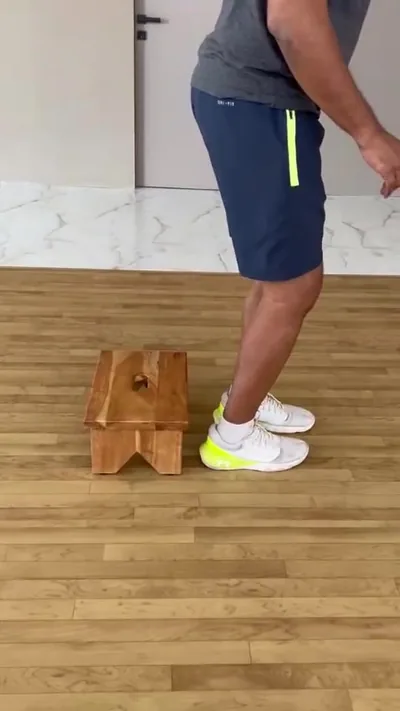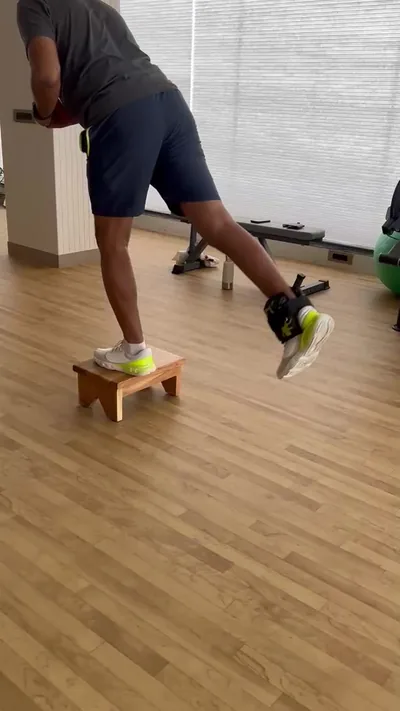
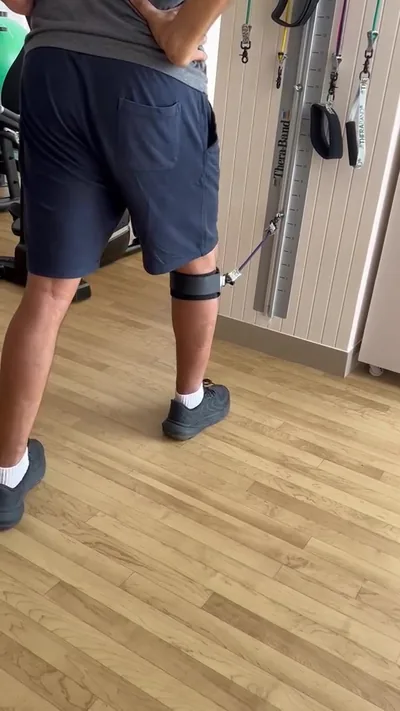
Backward Walking in ACL Rehab Phase 2
Backward walking helps athletes recover from ACL injuries. It builds knee stability in Phase 2 of rehab. This exercise targets quadriceps and improves control after surgery…
Read article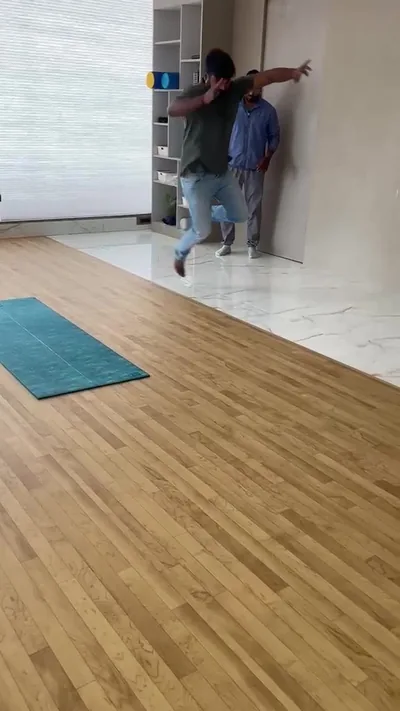

Women in Jaipur often face urinary leakage after menopause. Pelvic floor muscles weaken. Oestrogen drop reduces tissue elasticity. Leakage happens during coughs, sneezes or laughs. This is stress incontinence. Physiotherapy strengthens muscles and improves bladder control without surgery. Trivayu Physio Center offers women’s health physiotherapy in Vaishali Nagar and Vidyadhar Nagar.
Pelvic floor strengthening in Jaipur targets postmenopausal women safely. Treatment uses targeted exercises under physio guidance. Physios rebuild muscle support around bladder and urethra. Plans include hands-on checks, biofeedback, and home programs. Kegel exercises with physio supervision correct common errors like breath-holding. In-person assessment tailors everything to your menopause stage, joint health, and daily habits. Pelvic muscle rehab in Vaishali Nagar starts with private sessions to build confidence.
Menopause lowers oestrogen, weakening pelvic floor muscles. This causes urinary incontinence. Stress incontinence leaks urine with pressure, like jumping or lifting. Urge incontinence leaks from sudden need to go. Mixed types combine both. Pregnancies, births, weight gain, chronic coughs, constipation or heavy lifting worsen it. Physiotherapy rebuilds support for better daily control. See a doctor first for tests like urine analysis or ultrasound. Physio follows medical clearance to avoid underlying issues.
Physiotherapy strengthens pelvic floor muscles and improves bladder control for women over 50. At Trivayu, physiotherapists assess with internal vaginal checks (if comfortable) and external palpation. They test muscle strength, endurance, and coordination. Plans include exercises, hands-on care, biofeedback devices, and lifestyle advice. Assessment covers leak triggers, pad use, fluid intake, toilet habits, and posture. Benefits include better control during coughs, walks, or intimacy. Techniques build endurance, quick response, posture alignment, and core stability. Looking for a Physiotherapy Near Me? Our team in Vaishali Nagar, Jaipur can assess you in person.
Training starts with basics for postmenopausal bodies. For Kegels, stop urine mid-flow once to find muscles—never repeat as practice. Squeeze as if stopping urine and wind at the same time. Hold 5 seconds, relax 10 seconds. Do 8-10 repeats, three times daily. Progress to 10-second holds as strength grows. Breathe normally throughout. Lift inside without tightening buttocks, thighs or tummy.
Safe progression accounts for joint issues like knee pain common after 50. Combine with walking squeezes: contract before each step. Track progress by fewer leaks, stronger holds, or easier daily tasks. Physios adjust for osteoporosis risks, using supported positions.
Treatment starts with full history: menopause stage, symptom timing, life impact, past births, medications. Physios check posture (forward tilt weakens floor), breathing patterns (shallow breath strains), and gait. Layer exercises with habits: drink steady fluids (not gulps), limit caffeine and fizzy drinks, toilet every 2-3 hours even without urge. For urge incontinence, use ‘freeze-squeeze-walk’: stop moving, squeeze pelvic floor, walk slowly to toilet. Weight management reduces pressure if relevant—physios suggest gentle activity. Read more about our Pain Management.
Physio emphasises coordination and relaxation, not just strength. Teach ‘lengthen first’: gently bulge pelvic floor down like passing wind, then squeeze up. This prevents over-tightening common post-menopause. Practice cough technique: inhale, squeeze and lift before cough, exhale through it. Apply to laughs, stairs, or lifting bags. For mixed incontinence, blend stress (quick squeezes) and urge (distraction holds) strategies. End sessions with hip flexor and inner thigh stretches to ease pelvic tension.
In Vaishali Nagar, pelvic muscle rehab focuses on postmenopausal needs. Sessions build from bed-based exercises to standing challenges. Physios use real-time ultrasound or apps for visual feedback on squeezes. Home plans include props like soft balls between knees for adductor link to pelvic floor. Progress markers: hold squeeze during 10-step walk without leak. Combine with constipation advice—proper toilet posture (feet on stool) eases straining. You may also find Urinary Incontinence Physio for Women Over 50 in Jaipur useful.
Team handles women’s health physiotherapy for incontinence. Dr. Jyoti Choudhary leads with 17+ years in orthopaedics and pelvic rehab. Dr. Hritika Choudhary specialises in rehabilitation. Dr. Ishu Sharma supports pelvic health cases. Locations: Vaishali Nagar at 204, 2nd Floor, Om Tower, Gandhi Path Road, Nemi Nagar; Vidyadhar Nagar, Rangoli Gardens. Hours: Mon-Sat 8am-8pm, Sun 10am-1pm. Home visits and online consults available. Contact +91 90570 65065.
Sessions last 45-60 minutes. Expect full privacy, clear explanations, hands-on demos. Wear loose pants for comfort. Track triggers (e.g., spicy foods, rushing) for 3 days before starting. Bring pad samples or diary. Ask about internal exam option upfront.
Hormonal shifts reduce oestrogen. Muscles lose tone. Tissues thin, causing leaks on pressure. Birth history, chronic coughs, or constipation contribute.
Strengthens muscles for bladder support and quick closure. Enhances coordination to reduce urgency and stress leaks.
Many see improvement with consistent rehab. Results vary by adherence and starting strength. Assessment personalises approach.
Kegels: squeeze inner floor, hold 5 seconds, release fully. 8-10 times, thrice daily. Elevator Kegels: imagine lifting in three stages up, then down. Get physio to check form first.
If leakage affects life: during coughs, walks, intimacy, sudden urges, night wakes, or daily pad use. Book for tailored strengthening in Vaishali Nagar.
Feel inner lift only—no buttock, thigh or tummy move. Use hand mirror at home or physio palpation. Clinic biofeedback shows exact activation.
Regain bladder confidence with guided pelvic health physio. Recovery varies by person. Start with in-person assessment. Home work builds lasting control.
Book assessment today. WhatsApp https://wa.me/919057065065 or call +91 90570 65065.
Physiotherapy is not the right first step for everything. Seek medical assessment promptly if any of the following apply to you:
If you lose control of your bladder or bowels, develop numbness around the groin, or have chest pain or breathlessness, treat it as an emergency and go to hospital.
Truly thankful to Dr. Jyoti Choudhary and the entire team of Trivayu Physio Centre for their genuine care, humble behaviour, and excellent treatment.
Mahesh Dhaka, Google review
This is one patient's own account, published with consent on our reviews page. It describes their experience, not a predicted outcome. Individual results vary.
Backward walking helps athletes recover from ACL injuries. It builds knee stability in Phase 2 of rehab. This exercise targets quadriceps and improves control after surgery…
Read articleAfter ACL surgery, rebuilding knee strength takes time and care. ACL rehabilitation phases guide this process step by step. Phase 1 protects the graft and cuts…
Read articleAfter hip replacement surgery, dressing your lower body safely helps build independence. By week 6 of hip replacement recovery, many patients aim to dress without help.…
Read articleMessage us on WhatsApp with your main concern and preferred time, and we'll confirm your first visit the same day.