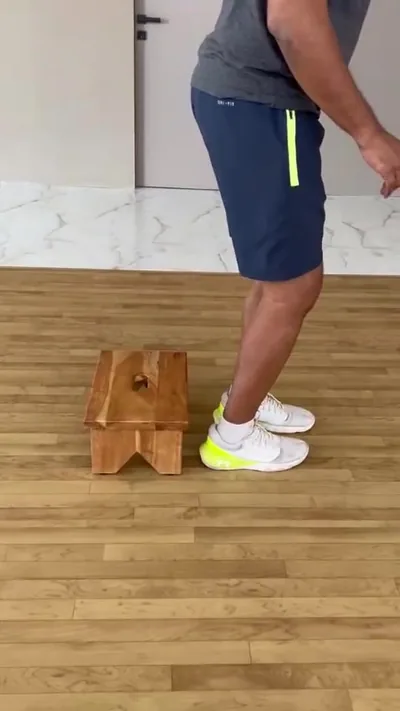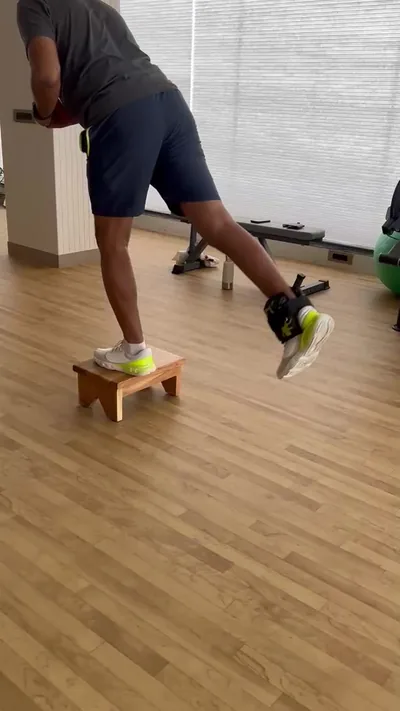
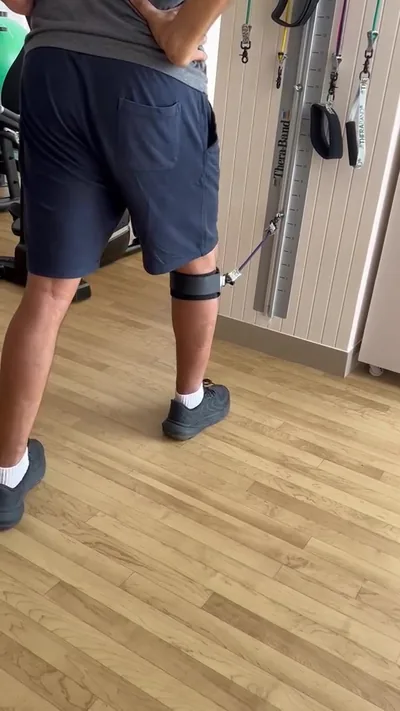
Backward Walking in ACL Rehab Phase 2
Backward walking helps athletes recover from ACL injuries. It builds knee stability in Phase 2 of rehab. This exercise targets quadriceps and improves control after surgery…
Read article

The short answer
Urinary incontinence affects women over 50 due to menopause and ageing weakening pelvic floor muscles, causing bladder leakage during coughs, sneezes or laughs. Physiotherapy at Trivayu Physio Center in Vaishali Nagar, Jaipur, strengthens these muscles through guided Kegel exercises without surgery or drugs. Start with assessment for safe, tailored techniques.
Urinary incontinence affects many women over 50. Bladder leakage happens during coughs, sneezes or laughs. Menopause and ageing weaken pelvic floor muscles. Physiotherapy helps strengthen these muscles without surgery or drugs.
At Trivayu Physio Center in Vaishali Nagar, Jaipur, we offer Women’s Health Physiotherapy. Our team guides you through pelvic floor exercises. Start with a proper assessment to learn safe techniques. This article explains Kegels with progression for better bladder control.
These exercises suit menopausal women facing post-menopausal urinary issues. Practice them daily for pelvic floor strengthening. Always check form to avoid strain.
Menopause lowers oestrogen levels. This thins pelvic floor tissues. Ageing adds muscle loss. Weak pelvic floor fails to support bladder and urethra. Leakage occurs with pressure like lifting or exercising.
Common triggers include stress from daily activities such as coughing, sneezing, or laughing. Urge incontinence brings sudden need to go. Childbirth history worsens it. Extra weight or constipation strains muscles too.
Leakage disrupts life but does not mean disease. Women’s Health Physiotherapy at Trivayu assesses your pelvic floor. We check strength and teach tailored exercises. Book an in-person visit for personalised advice. Our Vaishali Nagar clinic helps women in Jaipur manage bladder leakage women menopause. Looking for a Rehabilitation Centre Near Me? Our team in Vaishali Nagar, Jaipur can assess you in person.
Kegel exercises target pelvic floor muscles. These form a sling holding bladder, uterus and bowel. Squeeze them as if stopping urine flow or wind.
Regular Kegels build muscle strength and endurance. Stronger muscles improve bladder control. They reduce stress incontinence. Over time, leakage lessens during activities.
Benefits grow with consistency. Start after a physio assessment. Wrong technique can weaken muscles further. Our Jaipur clinic helps ensure correct pelvic muscle exercises for urinary incontinence treatment women.
First, find your pelvic floor. Sit or lie comfortably. Imagine stopping urine mid-flow. Or tighten anus as passing wind. Avoid tensing tummy, buttocks or thighs.
Practice lying down first. Progress to sitting, then standing. Check form in mirror: no hip lift or buttock clench. Daily routine: morning, afternoon, evening. Link to habits like after toilet use. Read more about our Women's Health Physiotherapy.
Emphasise correct form for results. If unsure, visit for hands-on teaching. Our physiotherapists watch your first attempts and correct errors.
Once basic holds feel easy, extend to 8-10 seconds. Keep relaxes equal. Add quick flicks: rapid squeeze-release 10 times.
Intermediate level builds endurance. Do sets during walks or light chores. This prepares muscles for daily loads. Check for fatigue. If holds weaken, return to basics.
Try longer holds up to 10 seconds. Do 15-20 reps per set. Vary speed: slow squeeze, fast release. Progress when you complete sets without fatigue.
Change positions: squats with squeeze, or bridge pose. These mimic daily moves like bending or lifting. Integrate with Clinical Pilates at our clinic for functional strength.
Track progress weekly in a notebook. Note hold times and how they feel. Stop if pain occurs. Clinic techniques like Manual Therapy aid Kegel progression for seniors facing bladder leakage women menopause. You may also find Pelvic Floor Exercises After C Section for New Mothers useful.
Self-practice helps, but personalised plans work best. At Trivayu Physio Center, Vaishali Nagar physio pelvic health starts with assessment. We test muscle strength using tools like biofeedback if needed.
Dr. Jyoti Choudhary, with 17+ years in Women’s Health Physiotherapy, leads care. Dr. Hritika Choudhary adds expertise in rehab. We use techniques like Myofascial Release alongside exercises.
Locations in Vaishali Nagar and Vidyadhar Nagar suit Jaipur women. Home visits and online consultations available. Contact +91 90570 65065 for incontinence rehab physio.
Many pull tummy instead of pelvic floor. This strains wrong muscles. Focus on lift below. Another error: breath-holding. Breathe steadily.
Overdoing reps causes fatigue. Start small. If leaking persists, do not push harder. Seek physio check. Tight clothes help feel muscles better.
Maintain good posture to ease pelvic pressure. Stand tall, shoulders back. Avoid slouching.
Use footstool on toilet for better angle. This reduces straining. Combine with pain management services if needed. These habits support pelvic floor exercises Jaipur results. See us for full integration.
Our Clinical Pilates sessions target pelvic stability. Exercises like leg slides and heel squeezes engage floor safely. Pilates builds core support around pelvic muscles.
Progress slowly in class. Instructor cues correct activation. This method suits post-menopausal urinary issues.
Menopause brings tissue changes. Physio counters with strengthening and tissue work. We assess leakage patterns to tailor plans.
Regular sessions track improvement. Combine exercises with lifestyle advice. Our approach handles incontinence rehab for women over 50.
Kegels squeeze and relax pelvic floor muscles. They strengthen support for bladder. Practice helps control leakage from stress or urge.
Find muscles by stopping urine flow feel. Start with short holds lying down. Build slowly. Get physio check for safe start.
Yes, physio teaches strengthening. It improves control without drugs. Personal assessment guides menopause bladder control physio.
Trivayu Physio Center in Vaishali Nagar and Vidyadhar Nagar offers women’s pelvic health Jaipur services. Book via WhatsApp or phone.
Increase hold time when basic easy. Add quick flicks and positions. Progress under guidance to help reduce strain.
Yes, our Women’s Health Physiotherapy includes pelvic floor rehab. Team provides tailored incontinence exercises after 50.
Strengthen your pelvic floor step by step. Results take time and practice. For best guidance on urinary incontinence physio Jaipur, book an assessment at Trivayu Physio Center. WhatsApp https://wa.me/919057065065 or call +91 90570 65065.
Physiotherapy is not the right first step for everything. Seek medical assessment promptly if any of the following apply to you:
If you lose control of your bladder or bowels, develop numbness around the groin, or have chest pain or breathlessness, treat it as an emergency and go to hospital.
Backward walking helps athletes recover from ACL injuries. It builds knee stability in Phase 2 of rehab. This exercise targets quadriceps and improves control after surgery…
Read articleAfter ACL surgery, rebuilding knee strength takes time and care. ACL rehabilitation phases guide this process step by step. Phase 1 protects the graft and cuts…
Read articleAfter hip replacement surgery, dressing your lower body safely helps build independence. By week 6 of hip replacement recovery, many patients aim to dress without help.…
Read articleMessage us on WhatsApp with your main concern and preferred time, and we'll confirm your first visit the same day.