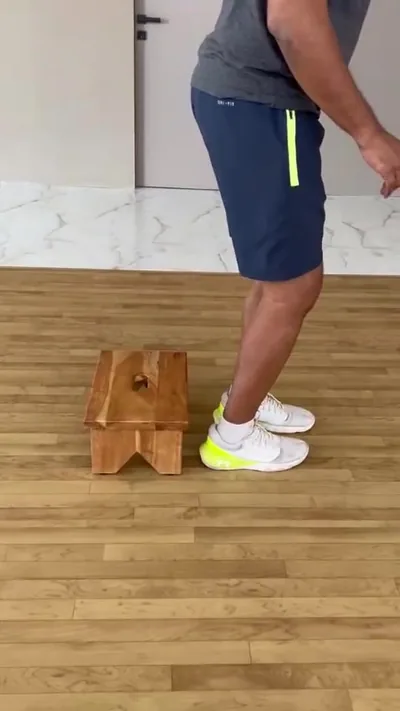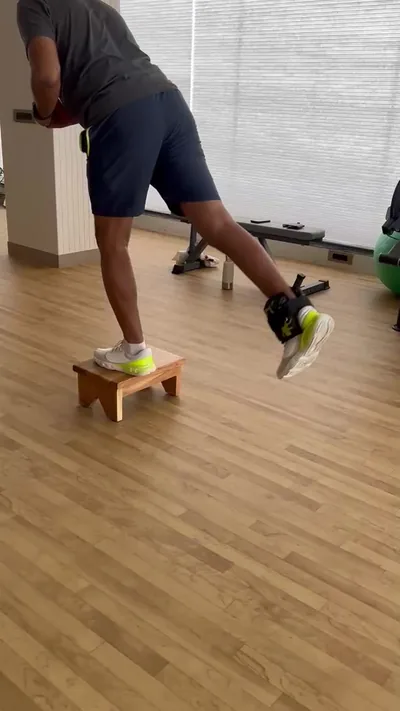
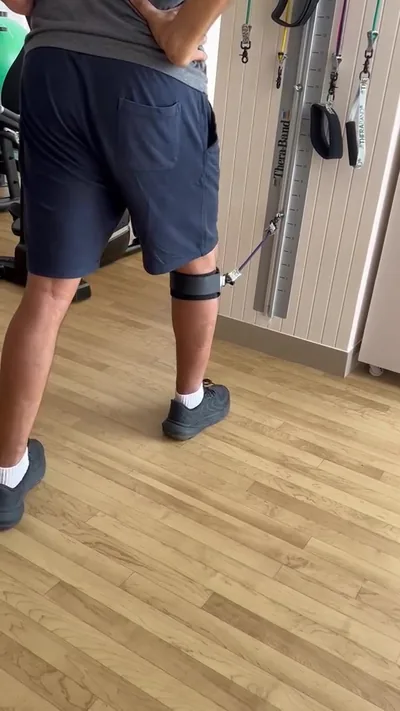
Backward Walking in ACL Rehab Phase 2
Backward walking helps athletes recover from ACL injuries. It builds knee stability in Phase 2 of rehab. This exercise targets quadriceps and improves control after surgery…
Read article

The short answer
Pelvic floor exercises after C-section help new mothers safely reactivate stressed pelvic floor muscles using gentle techniques. Begin light activation from around day 10 after medical clearance, pairing diaphragmatic breathing with pelvic floor and transverse abdominis lifts. Professional assessment at Trivayu Physio Center ensures safe postnatal recovery.
Pregnancy and caesarean delivery stress the pelvic floor muscles. Gentle pelvic floor exercises after c section help new mothers begin safe reactivation. Proper breathing avoids strain on the incision and supports gradual core reactivation after surgery.
Many women in Jaipur seek guidance on when and how to begin. This routine focuses on light activation from around day 10, always after medical clearance. The steps use diaphragmatic breathing paired with gentle pelvic floor and transverse abdominis activation.
Every recovery is different. These are general suggestions. Book an in-person assessment at Trivayu Physio Center before starting any postnatal routine.
Pregnancy stretches the pelvic floor muscles that support the bladder, bowel and uterus. Caesarean delivery involves surgery through the lower abdomen, which can affect muscle coordination and core strength.
Gentle reactivation restores support for the pelvic organs and improves posture. It links the pelvic floor with the deep abdominal muscles. This supports postnatal recovery after caesarean without pressure on the healing scar. Professional guidance matches the approach to your healing stage.
The caesarean incision needs time to heal. In the first week, rest and wound care are the priority. Most women can consider light activation once the incision shows initial healing, often from day 10 onwards. This timeline varies and depends on medical advice.
Obtain clearance from your doctor or gynaecologist before beginning. If there is swelling, pain or infection at the scar, wait longer. Post natal physiotherapy Jaipur specialists can assess readiness. Starting too early risks delaying healing.
Diaphragmatic breathing forms the base of safe pelvic floor work after caesarean. It uses the correct muscles without downward pressure on the incision or pelvic floor.
Lie on your back with knees bent or sit comfortably. Place one hand on your upper chest and the other below your ribs. Breathe in gently through the nose so the hand on your ribs rises while the chest hand stays still.
Practise this pattern alone for a few days before adding movements. Short sessions of five to six breaths work better than long ones early on.
Begin with short sessions twice a day. Stop if you feel pain, dizziness or increased bleeding. These exercises focus on gentle activation and should feel comfortable. Post Natal Pelvic Floor Exercises for New Mothers.
Keep movements slow. Quality matters more than quantity. Increase repetitions gradually only when the exercises feel easy and pain-free.
Avoid these common errors during postnatal recovery after caesarean:
Stop immediately and seek professional assessment if you notice increased vaginal bleeding, wound leakage, sudden pelvic pain, dizziness, or a feeling of bulging. These signs may indicate the body needs more time or guided help.
Women’s health physiotherapy provides personalised assessment of pelvic floor function and scar mobility. At Trivayu Physio Center in Vaishali Nagar and Vidyadhar Nagar, our team offers ante-natal and post-natal rehabilitation programs tailored to new mothers.
Home visits and online consultation make guidance easier in the early months. A physiotherapist can check technique, progress the routine safely and address concerns about bladder control or posture. This support helps regain confidence in daily activities while protecting the healing incision.
Most women can begin very gentle activation from around day 10 once the incision shows early healing, but only after receiving medical clearance from your doctor.
Gentle Kegel-style activation is usually safe when performed with correct breathing and without force. Technique matters more than intensity in the first weeks after surgery.
Inhale gently through the nose to expand the lower ribs. On the slow exhale, gently lift the pelvic floor and draw in the lower abdomen. Release completely on the next inhale.
Supine diaphragmatic breathing with gentle pelvic floor lift, seated activation and controlled heel slides are safe early options. They avoid direct pressure on the scar.
Yes, short daily sessions at home are helpful. Professional assessment helps ensure your form is correct and the timing suits your recovery.
Postnatal recovery after caesarean takes time and patience. Gentle pelvic floor exercises after c section, combined with proper breathing, form a safe foundation for regaining strength. Listen to your body and seek guidance when needed.
Our team at Trivayu Physio Center in Vaishali Nagar and Vidyadhar Nagar is experienced in women’s health physiotherapy. Book an assessment via WhatsApp or call +91 90570 65065 to receive personalised support for your postnatal journey.
Physiotherapy is not the right first step for everything. Seek medical assessment promptly if any of the following apply to you:
If you lose control of your bladder or bowels, develop numbness around the groin, or have chest pain or breathlessness, treat it as an emergency and go to hospital.
Backward walking helps athletes recover from ACL injuries. It builds knee stability in Phase 2 of rehab. This exercise targets quadriceps and improves control after surgery…
Read articleAfter ACL surgery, rebuilding knee strength takes time and care. ACL rehabilitation phases guide this process step by step. Phase 1 protects the graft and cuts…
Read articleAfter hip replacement surgery, dressing your lower body safely helps build independence. By week 6 of hip replacement recovery, many patients aim to dress without help.…
Read articleMessage us on WhatsApp with your main concern and preferred time, and we'll confirm your first visit the same day.