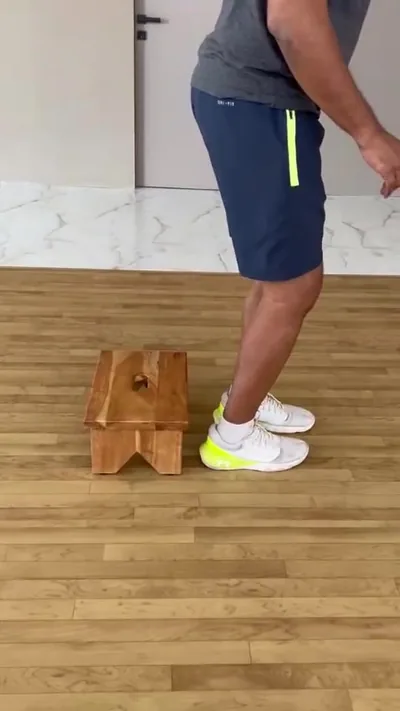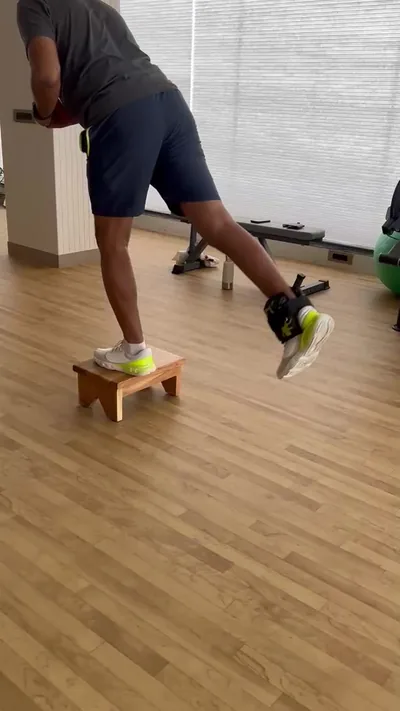
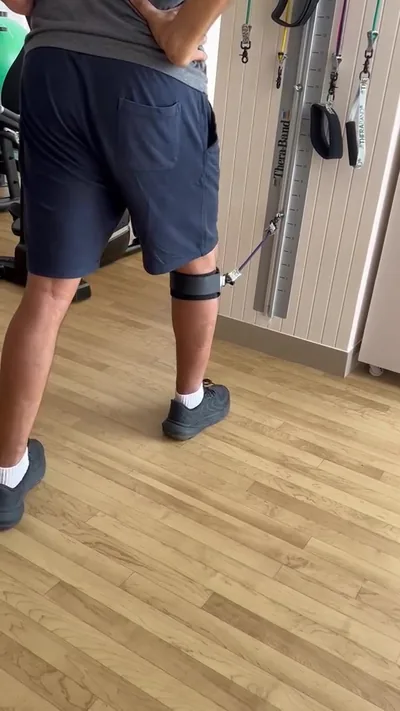
Backward Walking in ACL Rehab Phase 2
Backward walking helps athletes recover from ACL injuries. It builds knee stability in Phase 2 of rehab. This exercise targets quadriceps and improves control after surgery…
Read article

Sciatica causes nerve pressure on the sciatic nerve from the lower back. This nerve runs from your lower back through the hips, buttocks and down each leg. Pressure often comes from a slipped disc or tight spinal structures. It can lead to foot drop where lifting the front part of your foot becomes hard. Early detection matters to stop worsening. Without action, weak foot muscles make walking unsafe.
Foot drop in sciatica happens when nerve signals weaken foot muscles. The main muscle affected is the tibialis anterior on the front of your shin. It lifts your foot during walking. Causes include slipped disc or spinal issues pressing the sciatic nerve. Sometimes, piriformis muscle in the buttock traps the nerve. At Trivayu Physio Center in Vaishali Nagar and Vidyadhar Nagar Jaipur we see this often in prolonged back pain cases. A physiotherapist first checks your gait and strength to confirm the link.
Sciatica starts with back pain that shoots down one leg. Pain follows the sciatic nerve path: from lower back to buttock, back of thigh, calf and sometimes foot. It feels sharp, burning or electric. Sitting or bending worsens it. Coughing or sneezing can trigger a jolt.
Early signs build over days or weeks. You might notice leg heaviness first. Then pain spreads. Numbness or tingling like pins and needles follows in the calf or foot. Skin feels odd to touch. Watch if pain wakes you at night or limits standing. These point to nerve irritation before foot drop sets in.
These sciatica foot drop symptoms build slowly. Watch for them if you have back pain or leg discomfort. Early notice helps prevent full foot drop. Note when symptoms started and what makes them worse. Tell your physiotherapist this for better assessment.
Sciatica nerve pressure can harm the nerve over time. Constant compression cuts blood flow and swells the nerve. This is nerve damage sciatica. Mild cases recover with rest and care. Severe ones cause lasting weakness. Foot drop signals possible damage to nerve fibres controlling foot lift. Looking for a Physiotherapist in Jaipur? Our team in Vaishali Nagar, Jaipur can assess you in person.
A physiotherapist tests nerve function with taps and stretches. They check reflexes at knee and ankle. Weak or absent reflexes hint at damage. Skin sensation tests spot numb patches. Do not ignore if weakness grows. Early intervention protects the nerve from scar tissue.
How toe lifts work: These sciatica foot toe lifts target foot muscles directly. They strengthen the lift without stressing the back. This helps counter nerve irritation from sciatica. Start slow to avoid fatigue.
Do this sciatica foot drop exercises empty stomach or after light walk. Breathe normally. Stop if pain increases. Progress to standing toe lifts once seated ones feel easy. Manual Therapy at our clinics boosts results by easing back pressure first.
Prevent foot drop by acting on early sciatica signs. Avoid long sits or drives. Stand and walk every 30 minutes. Use lumbar support in chairs. Sleep on your side with pillow between knees to keep spine straight. More on Sciatica Treatment and how we assess it.
Strengthen core gently. Lie on back knees bent lift one foot 5 cm hold 5 seconds. Alternate sides 10 times. This supports your back without nerve strain. Heat packs on lower back for 15 minutes twice daily soothe irritation. Ice if swelling feels present. Track walking distance daily. Drop signals need for help.
Pair toe lifts with these for better sciatica foot drop treatment. Do them seated first.
Do full routine 2-3 times daily. Warm up with 5-minute walk. Combine with Orthopaedic Rehabilitation for nerve relief. Track progress over weeks by timing how long you walk without tripping.
Foot drop recovery starts with reducing nerve pressure. A physiotherapist uses hands-on techniques to mobilise spine and release tight muscles. Expect 45-minute sessions twice weekly. They teach brace use if needed: an ankle-foot orthosis straps foot up during walks.
Recovery builds foot strength step by step. Week one focuses on seated lifts. Week two adds standing. Progress to balance on one leg. Full recovery takes consistent work. Nerves heal slowly so patience matters. Most improve with targeted care but see your doctor if no change after four weeks.
Specific lifts ease sciatica load. Lifts for sciatica mean heel lifts or shoe inserts. A 1 cm heel raise in shoes shortens sciatic nerve tension. Try in one shoe first on affected side. Walk 10 minutes test comfort. Remove if pain grows. You may also find Slipped Disc L5 S1 Foot Drop Prevention Exercises useful.
Physiotherapist fits proper ones after gait check. They also guide single-leg bridges: lie on back one knee bent lift hips 5 seconds 8 reps. Strengthens glutes to offload nerve. Avoid deep squats they pinch the nerve.
See a physiotherapist at Trivayu Physio Center Vaishali Nagar or Vidyadhar Nagar if foot drop signs persist despite exercises. Or if back pain shoots below knee with weakness. We offer Electrotherapy Robotic Spinal Decompression and Manual Therapy tailored for sciatica issues like nerve damage sciatica and foot drop recovery.
First visit includes posture check leg length measure and nerve tests. Treatment plan follows. Team includes Dr Jyoti Choudhary sports and orthopaedics specialist and Dr Hritika Choudhary advanced electrotherapy. Available Mon-Sat 8am-8pm Sunday 10am-1pm.
Toe weakness tripping numbness tingling leg pain balance loss. Catch these early signs of sciatica early. Note patterns for your physio.
They strengthen foot lifter muscles countering sciatica nerve pressure directly. Simple safe at home builds endurance.
Yes with early targeted exercises like toe lifts plus professional care to ease nerve compression. Act before full weakness.
Not always. Early relief allows nerve repair. Physiotherapy guides safe strengthening during healing.
If symptoms last over a week worsen or limit walking seek Trivayu Physio Center immediately for assessment.
Sciatic nerve compression from disc issues spinal pressure or injury leading to weak foot lifters. Check gait early.
Start toe lifts today to fight sciatica foot drop jaipur issues. Watch early signs of foot drop closely. For full relief combine home care with clinic visits. Proper assessment guides your path.
Book assessment via WhatsApp at Trivayu Physio Center Vaishali Nagar Vidyadhar Nagar or call +91 90570 65065. WhatsApp here or phone once. Address: 204 2nd Floor Om Tower Gandhi Path Road Nemi Nagar Vaishali Nagar Jaipur Rajasthan 302021. Also at Rangoli Gardens.
Physiotherapy is not the right first step for everything. Seek medical assessment promptly if any of the following apply to you:
If you lose control of your bladder or bowels, develop numbness around the groin, or have chest pain or breathlessness, treat it as an emergency and go to hospital.
Truly thankful to Dr. Jyoti Choudhary and the entire team of Trivayu Physio Centre for their genuine care, humble behaviour, and excellent treatment.
Mahesh Dhaka, Google review
This is one patient's own account, published with consent on our reviews page. It describes their experience, not a predicted outcome. Individual results vary.
Backward walking helps athletes recover from ACL injuries. It builds knee stability in Phase 2 of rehab. This exercise targets quadriceps and improves control after surgery…
Read articleAfter ACL surgery, rebuilding knee strength takes time and care. ACL rehabilitation phases guide this process step by step. Phase 1 protects the graft and cuts…
Read articleAfter hip replacement surgery, dressing your lower body safely helps build independence. By week 6 of hip replacement recovery, many patients aim to dress without help.…
Read articleMessage us on WhatsApp with your main concern and preferred time, and we'll confirm your first visit the same day.