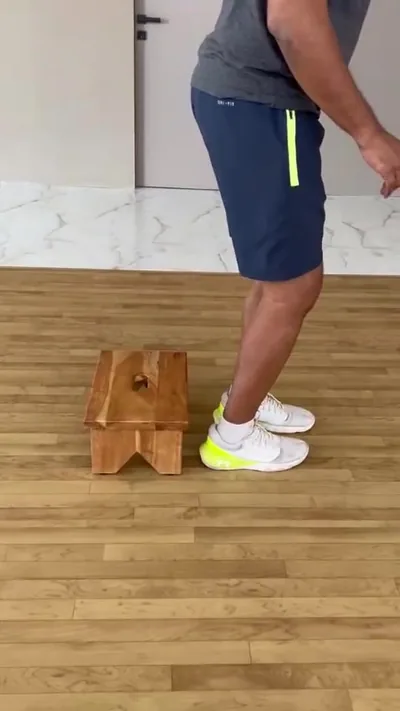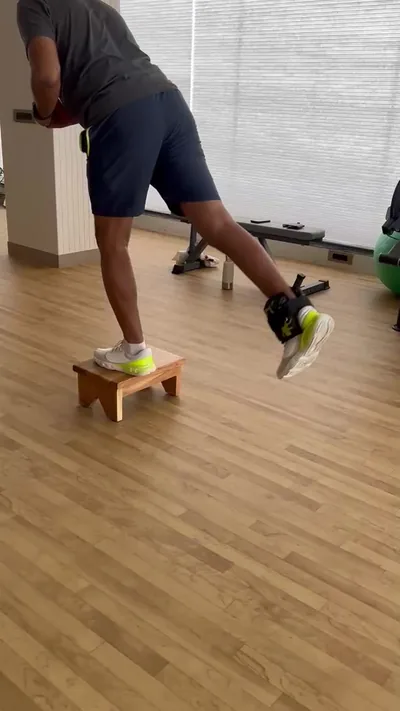
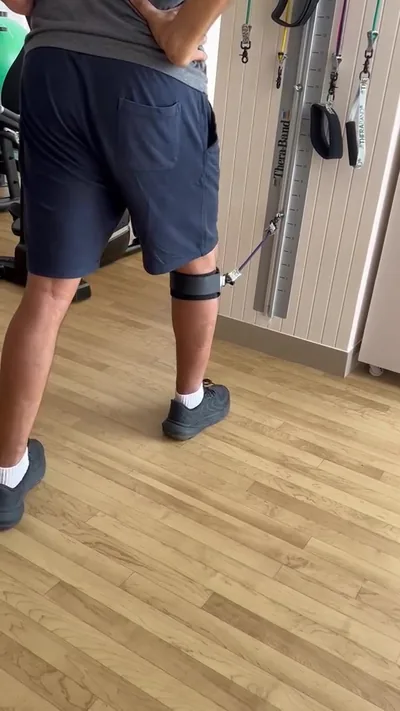
Backward Walking in ACL Rehab Phase 2
Backward walking helps athletes recover from ACL injuries. It builds knee stability in Phase 2 of rehab. This exercise targets quadriceps and improves control after surgery…
Read article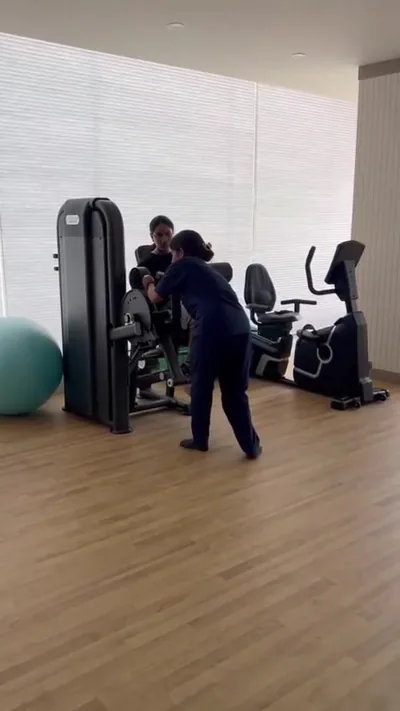

Frozen shoulder causes pain and stiffness that limits daily tasks. Known as adhesive capsulitis, it stiffens the shoulder joint capsule. Cupping therapy uses suction cups to ease discomfort. It targets tight muscles around the shoulder. In Jaipur, patients seek cupping frozen shoulder treatment for relief. Physiotherapists use it to support shoulder stiffness relief by addressing muscle guards that limit motion.
This therapy improves blood flow and loosens tense tissues. It fits into physiotherapy for frozen shoulder Jaipur plans. Sessions focus on specific spots. Always get an in-person assessment first. Recovery varies. A physio tailors cupping to your stage of frozen shoulder: freezing, frozen, or thawing.
Trivayu Physio Center offers cupping therapy Jaipur wide. Read on for targeted spots, session details, and how it aids shoulder pain cupping.
Frozen shoulder, or adhesive capsulitis, brings sharp pain and stiffness. It often starts with night pain, then limits arm movement. Reaching overhead or behind the back becomes hard. The joint capsule thickens and tightens. Daily tasks like dressing or lifting objects grow difficult. Pain may disturb sleep.
Cupping therapy applies suction cups to the skin. This pulls up tissues. It boosts local blood flow. Muscles relax, aiding shoulder stiffness relief. For shoulder pain cupping, it reduces tension without drugs. Therapists choose cup size and pressure based on your skin and muscle thickness. Glass, plastic, or silicone cups work, with pumps or flame methods.
This method aids frozen shoulder pain relief. It works alongside other physio steps. A therapist checks your case before starting. They test active and passive shoulder range to spot restrictions. This guides cupping therapy benefits, like better tissue glide and less spasm.
Cupping creates negative pressure under cups. This draws blood to the area. Oxygen and nutrients reach tight muscles faster. Waste products flush out, cutting inflammation. Lymph drainage improves, reducing swelling. Looking for a Physiotherapist Near Me? Our team in Vaishali Nagar, Jaipur can assess you in person.
Around the shoulder, muscles guard the stiff joint. Trapezius hikes the shoulder, rhomboids fix the blade, and deltoids limit abduction. Cupping loosens these guards. It targets upper back and shoulder blade areas first. Deltoid muscles get attention too. This eases shoulder stiffness. In freezing stage, it calms pain; in frozen stage, it fights stiffness.
It pairs well with Manual Therapy. Hands-on work releases deeper joints. Together, they improve range of motion. A physio might follow cupping with gentle mobilisations, like posterior glides. Results build over sessions.
Cupping therapy benefits extend to posture correction. Tight upper back pulls the shoulder forward, worsening frozen shoulder. Suction resets muscle length.
Therapists pick spots based on your pain and movement limits. They palpate tender bands and test motions like external rotation or flexion. Common cupping spots for frozen shoulder include:
These spots hold tight muscles restricting movement. Suction breaks the tightness cycle. Upper back spots often need most focus, as they link to forward head posture in Jaipur’s office workers. A full assessment finds your key areas. Do not self-apply without guidance. Wrong spots can increase pain or cause skin irritation.
Sessions last 30-45 minutes. Start with a check of shoulder range and pain spots. The therapist cleans the skin and applies oil if moving cups. More on Frozen Shoulder Treatment and how we assess it.
They place 4-8 cups on targeted areas. Dry cupping stays static for 5-15 minutes per spot. You feel pulling or warmth. No pain if done right. Sliding cupping moves cups along muscles for broader coverage.
After removal, skin shows red or purple marks, called petechiae. These fade in 3-10 days. They show good blood flow. Mild soreness may follow. Drink water and rest the arm. Avoid hot showers or heavy lifting for 24 hours.
Frequency: 1-2 times weekly at first. It blends with Electrotherapy for pain control or exercises for strength. Track progress each visit. A physio measures external rotation weekly. Home care includes pendulum swings: lean forward, let arm hang, circle gently 10 times daily.
In frozen shoulder sessions, cupping leads into stretching. Hold doorway stretches: arm at 90°, lean forward gently, 20-30 seconds, 3 times.
Trivayu Physio Center sits in Vaishali Nagar, Jaipur, at 204, 2nd Floor, Om Tower, Gandhi Path Road, Nemi Nagar. Another spot in Vidyadhar Nagar, Rangoli Gardens. Open Mon-Sat 8 am to 8 pm, Sun 10 am to 1 pm. You may also find First Cupping Session Frozen Shoulder Adhesions useful.
Team includes Dr. Jyoti Choudhary, with 17+ years in sports and orthopaedics. She serves the Rajasthan Senior Women’s Cricket Team. Dr. Hritika Choudhary handles advanced electrotherapy. Others like Dr. Ishu Sharma focus on exercise therapy.
We offer Cupping Therapy with Dry Needling, Class IV Laser, and Robotic Spinal Decompression. For frozen shoulder treatment Jaipur, get a custom plan after assessment. Plans mix cupping with Orthopaedic Rehabilitation for strength. Home visits and online consultations available.
It uses suction cups on skin around the shoulder. This boosts blood flow and relaxes muscles. Helps with adhesive capsulitis cupping needs. Fits early stages to reduce inflammation.
Suction improves circulation. It releases muscle knots. Shoulder movement eases over time. Also aids lymphatic flow for less swelling.
Mainly trapezius, rhomboids, rotator cuff edges, deltoids, levator scapulae, and pectoralis minor. Upper back gets priority for posture links. Therapist maps to your pain.
Assessment, cup placement 5-15 mins, mild pull sensation. Marks appear, fade soon. Pair with exercises like pendulums. Follow with heat or ice as advised.
Yes, when a trained physio does it. Avoid if skin issues, blood thinners, or acute injury. Assessment checks safety first. Hydrate well post-session.
Varies by stiffness level and stage. Often part of 6-12 sessions over weeks. Combine with other physio for best gains. Thawing stage responds faster.
Yes. After cupping, do wall walks: fingers up wall, walk hand higher daily. Or towel stretches: hold towel behind back, pull gently. Stop if pain increases.
Cupping offers shoulder pain cupping benefits like better flow and less tension. It supports frozen shoulder sessions well. Physiotherapists approach adhesive capsulitis with stages in mind: calm pain first, then mobilise. Full relief needs a mix of therapies, exercises, and patience.
Book an in-person assessment at Trivayu Physio Center. Call +91 90570 65065 or WhatsApp via link. Early check spots issues before stiffness worsens.
Physiotherapy is not the right first step for everything. Seek medical assessment promptly if any of the following apply to you:
If you lose control of your bladder or bowels, develop numbness around the groin, or have chest pain or breathlessness, treat it as an emergency and go to hospital.
Truly thankful to Dr. Jyoti Choudhary and the entire team of Trivayu Physio Centre for their genuine care, humble behaviour, and excellent treatment.
Mahesh Dhaka, Google review
This is one patient's own account, published with consent on our reviews page. It describes their experience, not a predicted outcome. Individual results vary.
Backward walking helps athletes recover from ACL injuries. It builds knee stability in Phase 2 of rehab. This exercise targets quadriceps and improves control after surgery…
Read articleAfter ACL surgery, rebuilding knee strength takes time and care. ACL rehabilitation phases guide this process step by step. Phase 1 protects the graft and cuts…
Read articleAfter hip replacement surgery, dressing your lower body safely helps build independence. By week 6 of hip replacement recovery, many patients aim to dress without help.…
Read articleMessage us on WhatsApp with your main concern and preferred time, and we'll confirm your first visit the same day.