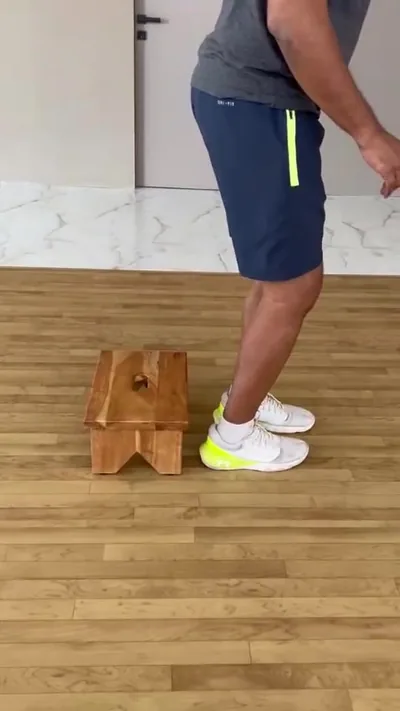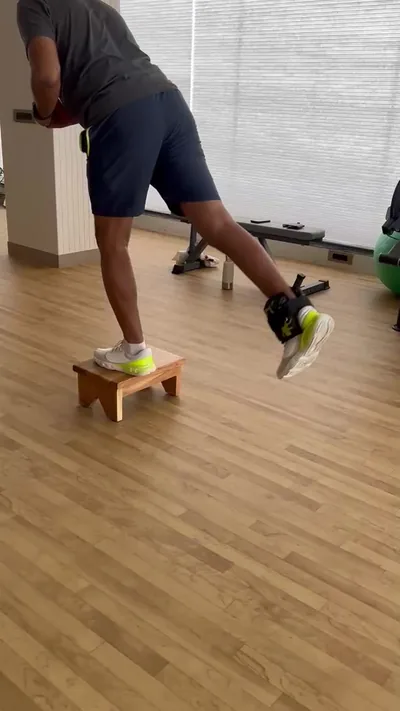
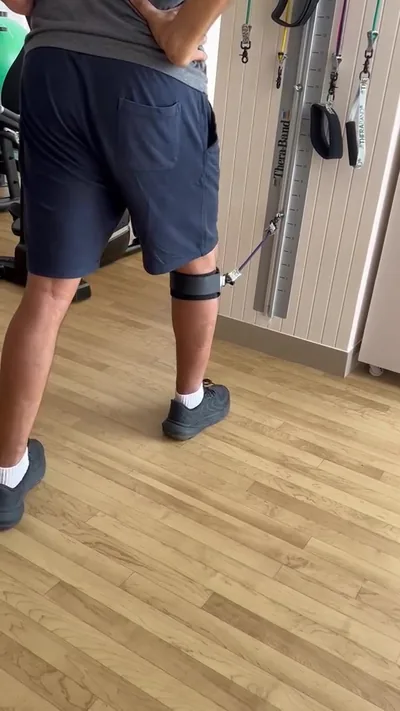
Backward Walking in ACL Rehab Phase 2
Backward walking helps athletes recover from ACL injuries. It builds knee stability in Phase 2 of rehab. This exercise targets quadriceps and improves control after surgery…
Read article

Frozen shoulder causes stiff, painful movement. Adhesions make the joint stick in the stuck phase. Cupping therapy helps release these tight spots. It uses suction cups to lift skin and tissues. This eases shoulder pain without surgery.
Many face frozen shoulder in middle age. It limits daily tasks like reaching or dressing. Cupping targets adhesions for better mobility. Always see a physiotherapist first for proper check. This article covers your first session basics.
At Trivayu Physio Center, we use cupping as part of shoulder care. It fits with Manual Therapy for hands-on relief. Read on for target spots and prep steps.
Frozen shoulder adhesions thicken the joint capsule. This is adhesive capsulitis. The shoulder feels frozen with less range. Cupping therapy frozen shoulder applies suction to break these bonds gently.
Cupping pulls skin and muscle. It boosts blood flow to stuck areas. This aids frozen shoulder cupping relief in the painful stuck phase. It links to shoulder pain by loosening tissues. No needles in dry cupping adhesions. Looking for a Physiotherapist in Jaipur? Our team in Vaishali Nagar, Jaipur can assess you in person.
Dry cupping adhesions works by creating negative pressure. This lifts the fascia and muscle layers apart. Adhesions form from inflammation and immobility. Suction mimics a deep stretch on the capsule without force. A physiotherapist assesses your stage first – freezing, frozen, or thawing – to adjust pressure.
Patients note less pain after sessions. Cupping for shoulder pain improves movement over time. It supports other physio steps. A clinic assessment finds if it suits you. Combine with gentle exercises for best results.
Key areas need focus for frozen shoulder adhesions treatment. Place cups around the shoulder joint. This includes the top of the shoulder blade and front chest near the arm.
Upper arm gets cups along the muscle. Neck spots help if tension pulls the shoulder. These cupping spots for frozen shoulder release tight bands.
Use smaller cups near joints. Larger ones cover back muscles. A therapist picks spots based on your pain. This shoulder mobility cupping targets adhesions best. Avoid direct pressure on bones or inflamed skin. More on Frozen Shoulder Treatment and how we assess it.
Adhesive capsulitis cupping focuses on areas where capsule tightens most. Physiotherapists map your tender points by touch and movement tests. Common patterns show tightness in posterior capsule during external rotation checks.
Shoulder mobility cupping adds sliding cups. Therapist moves them gently during hold to mimic joint glide. This breaks static adhesions in multi-layers.
Start with hydration. Drink water days before. It helps tissue response. Wear loose clothing. Easy access to shoulder saves time.
Avoid heavy meals or caffeine before. Skip lotions on skin. They block suction. Tell your therapist about skin issues or blood thinners.
Frozen shoulder session prep takes 10-15 minutes. Sessions last 20-30 minutes. Book at clinic for full check. Home trials risk wrong spots. Physiotherapist starts with posture check and range test. Note your pain scale from 0-10.
Prep your mind too. Breathe deeply to relax muscles. If anxious, discuss first. Clinic staff guide you step-by-step.
Your therapist cleans the skin. They pick silicone or glass cups. Dry cupping uses pump or flame for suction. No oil or scraping.
Cups stick for 5-10 minutes per spot. You feel pull, like strong massage. Some warmth or pinch comes. Lie comfortable on table. Therapist monitors colour change – light red shows good flow.
Pain relief cupping therapy starts mild. Increase suction if tolerated. For frozen phase, focus posterior spots first. They release during hold. Sliding follows for mobility. You may also find First Cupping Session for Frozen Shoulder useful.
We combine with clinic tools if needed. Like Electrotherapy for deeper pain relief. Marks like bruises appear. They fade in days. Safe for most after check. Therapist removes cups slowly. Checks skin after each set.
If combining with stretches, do post-cupping. Cupping softens tissues first. Expect 10-15 spots total in full shoulder protocol.
Rest shoulder post-session. No heavy lifting for 24 hours. Hydrate more. It flushes waste. Use warm cloth on marks.
Avoid baths or sun on treated skin. Gentle stretches help. Improvement varies. Some feel looser next day. Full effects build over 4-6 sessions.
Watch for swelling. Contact clinic if pain worsens. Follow-up checks progress. Individual bodies respond differently. Track range daily with phone photos of arm reach.
Day 1: Mild ache normal. Ice if hot. Day 2: Marks peak. Warm shower helps. Week 1: Test small tasks like hair comb.
Physiotherapist gives home plan. Includes wall walks for forward reach. Cupping boosts these by reducing guard pain.
Our team handles shoulder pain well. Dr. Jyoti Choudhary has 17+ years in orthopaedics. She serves Rajasthan Women’s Cricket Team. Dr. Hritika Choudhary leads advanced care.
We offer cupping with Orthopaedic Rehabilitation. Locations in Vaishali Nagar and Vidyadhar Nagar suit Jaipur patients. Hours from 8 am to 8 pm weekdays.
Friendly staff explain each spot choice. Clear plans build trust. Home visits available too. Full assessment spots contraindications early.
It uses suction cups to lift tight shoulder tissues. This breaks adhesions in the joint capsule. Dry method improves blood flow for pain relief cupping therapy. Focuses on sticky capsule without invasion.
Around shoulder joint, upper arm, neck muscles. Therapist targets based on stiffness. Avoid direct bone. Include rotator cuff areas for full release.
Hydrate well. Wear loose top. Avoid lotions or blood thinners. Arrive ready for 20-30 minutes. Note symptoms for therapist.
Yes for most after assessment. Skip if skin ulcers or clots. Therapist checks first. Adjusts for diabetes or hypertension.
Red marks fade in 3-7 days. Mild soreness possible. Better mobility often follows sessions. Looser feel in stiff directions.
It aids but pairs with exercises. Cupping softens first. Follow with guided moves for lasting gain.
By palpation and tests. Finds tender adhesions. Maps to your pain pattern like night ache or lift block.
Cupping aids frozen shoulder relief. It fits clinic care for lasting gains. Results depend on full plan. Stages affect response – thawing sees faster mobility.
Book assessment at Trivayu Physio Center. WhatsApp +91 90570 65065 or call for slot.
Physiotherapy is not the right first step for everything. Seek medical assessment promptly if any of the following apply to you:
If you lose control of your bladder or bowels, develop numbness around the groin, or have chest pain or breathlessness, treat it as an emergency and go to hospital.
Truly thankful to Dr. Jyoti Choudhary and the entire team of Trivayu Physio Centre for their genuine care, humble behaviour, and excellent treatment.
Mahesh Dhaka, Google review
This is one patient's own account, published with consent on our reviews page. It describes their experience, not a predicted outcome. Individual results vary.
Backward walking helps athletes recover from ACL injuries. It builds knee stability in Phase 2 of rehab. This exercise targets quadriceps and improves control after surgery…
Read articleAfter ACL surgery, rebuilding knee strength takes time and care. ACL rehabilitation phases guide this process step by step. Phase 1 protects the graft and cuts…
Read articleAfter hip replacement surgery, dressing your lower body safely helps build independence. By week 6 of hip replacement recovery, many patients aim to dress without help.…
Read articleMessage us on WhatsApp with your main concern and preferred time, and we'll confirm your first visit the same day.