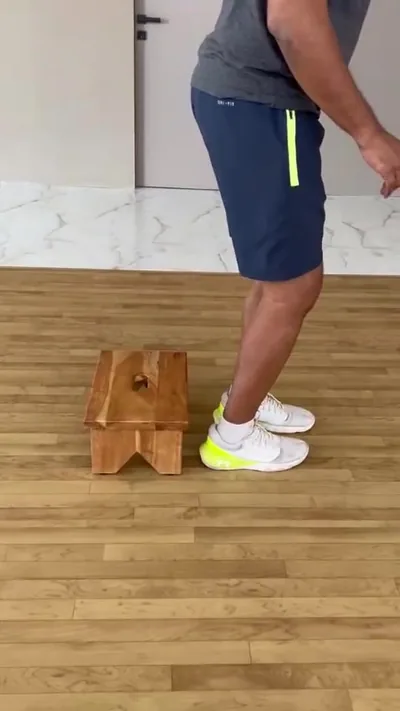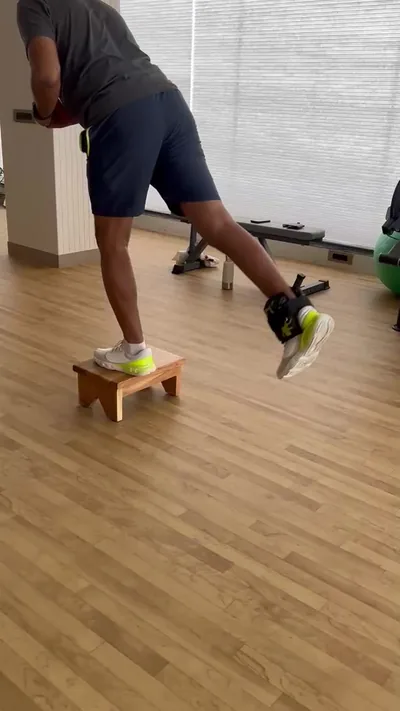
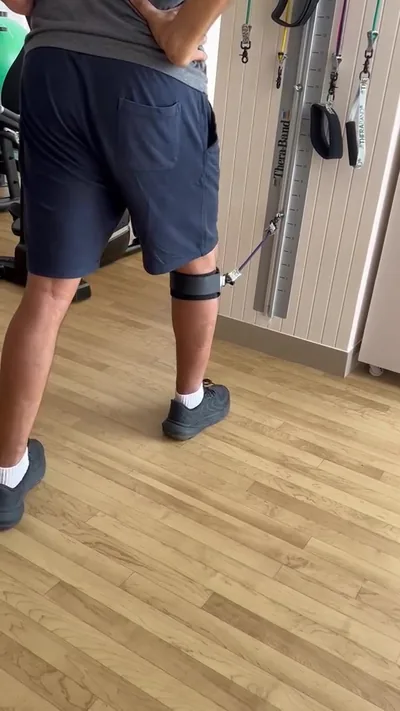
Backward Walking in ACL Rehab Phase 2
Backward walking helps athletes recover from ACL injuries. It builds knee stability in Phase 2 of rehab. This exercise targets quadriceps and improves control after surgery…
Read article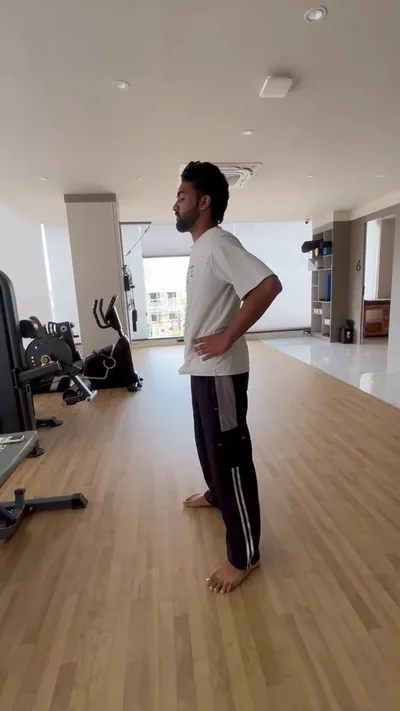

A slipped disc happens when the soft centre of a spinal disc pushes through its outer layer. This often affects the lower back, called lumbar disc issues. For newly diagnosed patients, walking seems simple but can worsen pain if done wrong.
Poor slipped disc walking posture adds stress to the spine. It increases pressure on the disc and nearby nerves. This may lead to more back pain or sciatica. Good gait for slipped disc helps manage symptoms and supports healing.
These tips focus on safe walking with slipped disc. They aim to prevent slipped disc worsening. Always get a proper in-person check from a physiotherapist for your case.
A slipped disc, or disc herniation, occurs in the spine. The discs act as cushions between vertebrae. When one slips, it can press on nerves. This causes back pain, leg pain, or numbness, especially in lumbar areas. Looking for a Physiotherapist in Jaipur? Our team in Vaishali Nagar, Jaipur can assess you in person.
Walking impacts this condition directly. Every step loads the spine. Poor posture during walks shifts weight unevenly. This strains the injured disc more. For newly diagnosed people, bad habits like slouching make symptoms worse fast.
Correct slipped disc posture during walking keeps the spine stable. It reduces disc pressure. A neutral spine alignment helps blood flow and eases muscle tension. Newly diagnosed patients benefit most from early gait changes. This supports natural recovery without added harm.
Start with upright posture. Stand tall with shoulders back and relaxed. Keep your head over your shoulders, not jutting forward. This forms the base for slipped disc walking. More on Ankle Pain Treatment and how we assess it.
Maintain a neutral spine. Imagine a straight line from ears to hips to ankles. Avoid arching your lower back too much or rounding it. This protects the lumbar disc.
Engage core muscles lightly. Tighten your stomach as if bracing for a gentle punch. Do not hold your breath. This stabilises the spine without strain. Avoid twisting your torso while walking. Face forward and move straight.
Follow these steps for slipped disc walking tips. They build a safe routine.
Practice on flat surfaces first. Start with 5-10 minute walks. Build up slowly. These slipped disc gait tips promote correct posture slipped disc patients need. You may also find L4 L5 Slipped Disc Walking Tips useful.
Leaning forward is a top error. It shifts weight to toes and strains the lower back. This aggravates slipped disc quickly.
Overstriding pulls the body ahead of feet. It jars the spine on each step. Stick to short strides for safe walking slipped disc style.
Uneven weight distribution worsens issues. Do not limp or favour one side. This twists the pelvis and loads the disc unevenly.
These mistakes increase back pain walking posture problems. Spot them early to prevent slipped disc worsening, including sciatica walking posture strain.
Seek help if pain spreads to legs, or you feel weakness or numbness. Trouble controlling bladder or bowels needs urgent medical care. Constant pain despite rest also signals the need for assessment.
At Trivayu Physio Center in Vaishali Nagar, Jaipur, our team offers Orthopaedic Physiotherapy for such cases. Dr. Jyoti Choudhary, with 17+ years in sports and orthopaedics, leads care. Manual Therapy forms part of our approach where suitable. Other experts like Dr. Hritika Choudhary handle post-op rehab with advanced electrotherapy.
Visit us at 204, 2nd Floor, Om Tower, Gandhi Path Road, Nemi Nagar, Vaishali Nagar, or our Vidyadhar Nagar site. Book an in-person assessment. We explain treatments clearly and tailor plans to you.
Walk upright with a neutral spine. Use short strides, straight foot placement, and natural arm swing. Breathe steadily to stay relaxed.
The best slipped disc posture is tall with head aligned over spine. Engage core lightly. Avoid slouch or twist for lumbar disc walking safety.
Yes, poor walking can worsen it. Bad gait adds disc pressure and nerve irritation. Good form prevents this.
Key tips: short steps, heel-to-toe roll, even weight, arm balance. These slipped disc exercise walk basics reduce strain.
No, gentle walking with correct form helps. Stop if pain sharply rises. Get assessed before long walks.
Apply these slipped disc walking tips daily. They guide safe movement for newly diagnosed cases. Pair with rest and professional advice for best results.
Book your assessment at Trivayu Physio Center today. WhatsApp or call +91 90570 65065.
Physiotherapy is not the right first step for everything. Seek medical assessment promptly if any of the following apply to you:
If you lose control of your bladder or bowels, develop numbness around the groin, or have chest pain or breathlessness, treat it as an emergency and go to hospital.
Truly thankful to Dr. Jyoti Choudhary and the entire team of Trivayu Physio Centre for their genuine care, humble behaviour, and excellent treatment.
Mahesh Dhaka, Google review
This is one patient's own account, published with consent on our reviews page. It describes their experience, not a predicted outcome. Individual results vary.
Backward walking helps athletes recover from ACL injuries. It builds knee stability in Phase 2 of rehab. This exercise targets quadriceps and improves control after surgery…
Read articleAfter ACL surgery, rebuilding knee strength takes time and care. ACL rehabilitation phases guide this process step by step. Phase 1 protects the graft and cuts…
Read articleAfter hip replacement surgery, dressing your lower body safely helps build independence. By week 6 of hip replacement recovery, many patients aim to dress without help.…
Read articleMessage us on WhatsApp with your main concern and preferred time, and we'll confirm your first visit the same day.