Is Side Bending Safe with L4 L5 Herniated Disc
An L4 L5 herniated disc happens when the disc between your fourth and fifth lumbar vertebrae bulges or ruptures. This presses on nearby nerves, causing pain…
Read article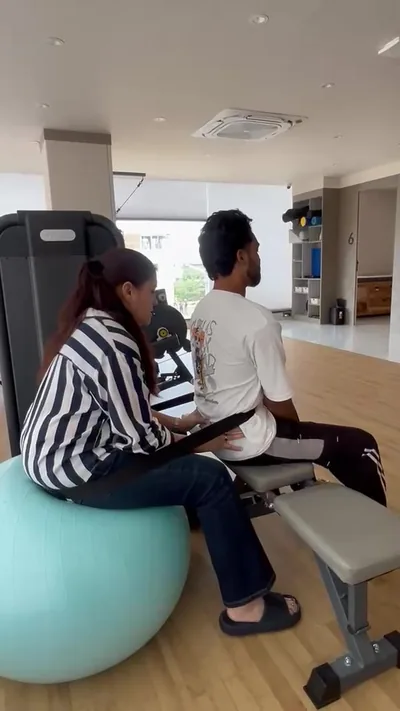

A slipped disc happens when the soft centre of a spinal disc pushes through its tough outer layer. It often affects the lower back or neck. For office workers in Jaipur who sit long hours, it starts quietly. Sedentary lifestyles strain the spine. Forward lean over keyboards adds pressure on lumbar discs.
Early signs appear as mild discomforts. Spotting them helps prevent worsening. Self-checks monitor changes at home. This guide covers signs, checks, risks, and habits for desk job holders. It explains physiotherapist assessment.
These steps aid awareness, not diagnosis. See a physiotherapist at Trivayu Physio Center in Vaishali Nagar or Vidyadhar Nagar. They review history, test movements, and check nerve responses before suggesting a plan. Looking for a Physiotherapist Near Me? Our team in Vaishali Nagar, Jaipur can assess you in person.
A slipped disc, or disc bulge or herniation, involves spinal discs that cushion vertebrae. Pressure shifts disc material. Sedentary workers face higher risk from constant sitting. Discs need movement to stay hydrated; stillness dries them.
Prolonged desk time weakens core muscles and compresses discs. Self-checks focus on subtle patterns before pain dominates. Discomfort after 4-5 hours seated points to disc strain.
Early detection signals potential issues. Desk routines in Jaipur amplify this. Watch patterns tied to work, like email checks in traffic or late-night laptop use. More on Ankle Pain Treatment and how we assess it.
Back pain builds gradually. Here are key slipped disc symptoms from sedentary patterns. They worsen with Jaipur’s humid weather.
These warnings cluster in office workers. Track if they follow sitting marathons or poor chair support. Note triggers like heavy laptop bag on one shoulder.
Slipped disc self-checks use simple moves. Do them gently. Stop if pain increases. Repeat every few days at the same time to spot trends. Log findings. You may also find Early Slipped Disc Signs for Jaipur Desk Workers useful.
These steps reveal patterns. Manual Therapy can address findings later. Note changes over days. Seek help if symptoms persist beyond a week or add sharp jolts.
Prolonged sitting loads the spine unevenly. Discs lose hydration and height, raising bulge risk. It stems from hunching over screens.
Contributors include no breaks, soft chairs, weak abs, Jaipur traffic, and home desks without footrests.
Prevent worsening with these tips.
Combine with cat-cow pose: arch and round back 5 times morning and evening. These ease disc load.
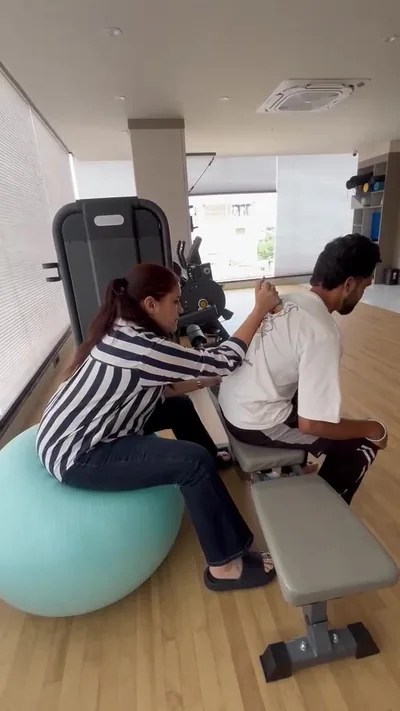
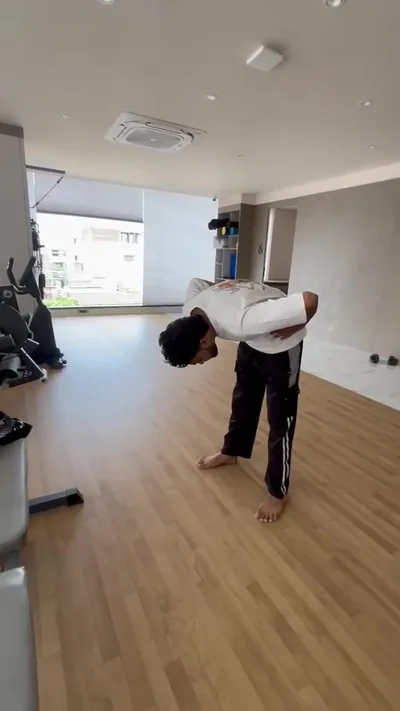
Physio starts with your story: work setup, pain triggers, self-checks. Hands-on tests check spine range: forward bends, side tilts, back extensions.
Test leg strength, reflexes, straight-leg raises. This pinpoints nerve pressure.
Orthopaedic Rehabilitation includes targeted exercises. Electrotherapy calms nerves. Sessions last 30-45 minutes, twice weekly at first.
Track progress with repeat self-checks and measurements. Home plans reinforce clinic work.
In-person assessment spots issues early. At Trivayu Physio Center, experts like Dr. Jyoti Choudhary review self-checks. They tailor advice to desk jobs.
Robotic Spinal Decompression Therapy eases disc pressure. Locations serve Vaishali Nagar and Vidyadhar Nagar.
Book now. WhatsApp or call +91 90570 65065. Hours: Monday to Saturday 8 am to 8 pm, Sunday 10 am to 1 pm. Arrive 10 minutes early with work chair photo.
Early signs include mild lower back stiffness, radiating thigh discomfort, posture shifts, leg heaviness after sitting. Track clusters in desk workers.
Use home self-checks like forward bends, wall leans, sit-to-stand tests. Track over a week. Note worsening.
If self-checks show persistent stiffness, tingling, leg weakness over a week. Early visits prevent advance.
Self-checks raise awareness for posture, breaks, core work. They support prevention, not cure.
Prolonged sitting, weak cores, poor desk setup, traffic slumps. Discs weaken without movement.
Check posture, spine bends, leg strength, reflexes. Straight-leg raises detect nerve pinch.
Spot early signs to protect your back. Self-checks empower desk workers. Adjust habits today.
Book at Trivayu Physio Center. WhatsApp or call +91 90570 65065. Early steps keep you moving.
Physiotherapy is not the right first step for everything. Seek medical assessment promptly if any of the following apply to you:
If you lose control of your bladder or bowels, develop numbness around the groin, or have chest pain or breathlessness, treat it as an emergency and go to hospital.
Truly thankful to Dr. Jyoti Choudhary and the entire team of Trivayu Physio Centre for their genuine care, humble behaviour, and excellent treatment.
Mahesh Dhaka, Google review
This is one patient's own account, published with consent on our reviews page. It describes their experience, not a predicted outcome. Individual results vary.
An L4 L5 herniated disc happens when the disc between your fourth and fifth lumbar vertebrae bulges or ruptures. This presses on nearby nerves, causing pain…
Read articleShopkeepers in Jaipur often stand for long hours behind counters. This prolonged standing can trigger sciatica pain. Sciatica happens when the sciatic nerve gets irritated, often…
Read articleHerniated disc night pain disrupts sleep for many. The disc bulge presses on nerves, causing sharp back pain or sciatica that flares up at night. Simple…
Read articleMessage us on WhatsApp with your main concern and preferred time, and we'll confirm your first visit the same day.