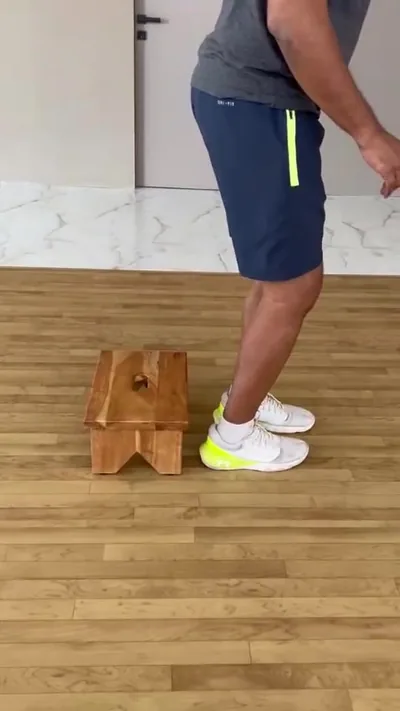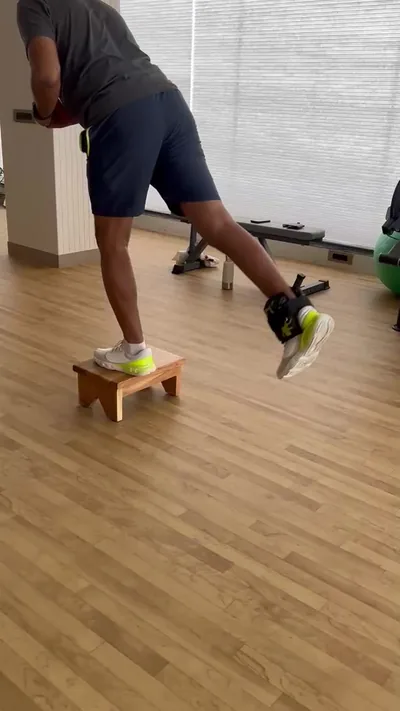
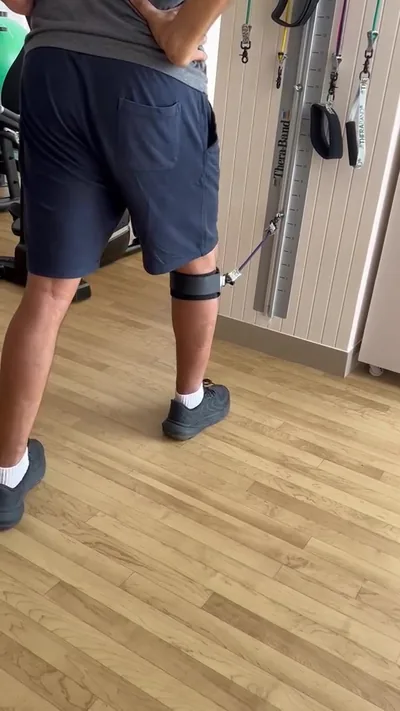
Backward Walking in ACL Rehab Phase 2
Backward walking helps athletes recover from ACL injuries. It builds knee stability in Phase 2 of rehab. This exercise targets quadriceps and improves control after surgery…
Read article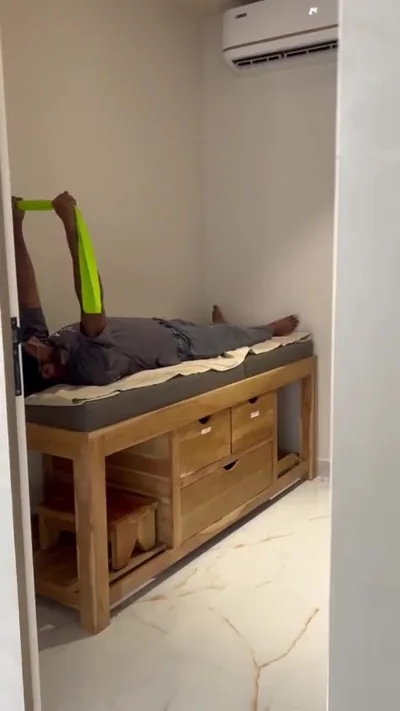

Frozen shoulder, also known as adhesive capsulitis, often causes sharp pain at night. This condition limits shoulder movement and disrupts sleep. Many middle-aged people wake up often from shoulder pain when lying down. Finding the right sleep posture helps relieve shoulder pain while sleeping.
Night pain from frozen shoulder often leads to morning stiffness. Simple changes in how you lie down can make a difference. These frozen shoulder sleep tips focus on positions that reduce pressure on the joint. Always get a proper check-up for your symptoms.
Physiotherapists assess how the shoulder capsule tightens and restricts the arm’s ball-and-socket joint. They check range of motion in different directions, like raising your arm forward or out to the side. They also test for pain points by pressing on the shoulder area. This helps confirm frozen shoulder and rule out issues like rotator cuff tears or neck problems. Expect a hands-on exam where they guide your arm through gentle stretches to gauge stiffness. Follow their advice on daily posture to avoid worsening symptoms.
The shoulder capsule thickens and scars, trapping fluid inside. When you lie flat, gravity changes. Fluid pools in the joint. Less arm movement during sleep adds to stiffness. Muscle guarding from pain makes it worse. You might feel a deep ache at rest. Pain can wake you if you roll onto the sore side. Inactivity lets inflammation settle. Looking for a Physiotherapist in Jaipur? Our team in Vaishali Nagar, Jaipur can assess you in person.
Mornings bring strong frozen shoulder morning stiffness. The joint feels stuck after hours without movement. This cycle repeats without changes. See a doctor for an in-person assessment to confirm frozen shoulder and check for other causes like referred pain from the neck.
Pick positions that keep the arm in a natural spot. Avoid ones that pull or push the joint. Here are practical options to try for night pain from frozen shoulder.
Practice these best sleeping positions for frozen shoulder before bed. Test them during the day. Switch slowly if discomfort starts. They help reduce shoulder stiffness in morning. More on Frozen Shoulder Treatment and how we assess it.
Combine position changes with other steps. Start with your setup.
Track your sleep with a notebook. Note pain levels and positions. Share this with your therapist.
Daytime habits shape night rest. Build good posture. Sit with shoulders back. Keep elbows close to your sides. Avoid carrying bags on the sore side. Use both arms for tasks.
Do gentle exercises twice a day. Try shoulder blade squeezes: pull blades together for 5 seconds. Repeat 10 times. Do doorway stretches: place forearms on a door frame. Lean forward gently. Hold 20-30 seconds. Repeat 3 times.
Avoid overhead reaching. Raise the good arm first. Use tools like reachers for high shelves. Stay hydrated. Drink water throughout the day. Cut caffeine after 4 pm. You may also find Frozen Shoulder Stretches Before Bed useful.
For ongoing issues, professional rehab targets root causes. Electrotherapy can ease pain and swelling. Track if night pain improves with changes.
See a physiotherapist if pain wakes you more than 3 nights a week. Or if you cannot lift your arm past 90 degrees. If pain lasts into the day or spreads to the neck. If morning stiffness stops you from daily tasks.
Red flags: sudden weakness, numbness in the arm or hand. Chest pain or shortness of breath. See a doctor right away.
At Trivayu Physio Center in Vaishali Nagar or Vidyadhar Nagar, Jaipur, our team offers hands-on care. Dr. Jyoti Choudhary leads assessments. Book an in-person visit for a full plan.
Lie on your back with arm support or unaffected side hugging a pillow. Avoid stomach sleeping. These reduce pressure for night pain relief.
Sleep on the unaffected side. Support the sore arm forward on a pillow. If on the sore side, use light padding under the armpit.
Lying down lets fluid settle in the tight capsule. Less movement builds inflammation.
Yes. Neutral positions give better joint rest. This eases frozen shoulder morning stiffness.
If pain disrupts sleep often or stiffness worsens. Get help for safe exercises and therapy.
Increasing pain, longer stiffness, or weakness. Get an assessment.
Follow these steps for better rest. Combine with guidance from your therapist.
Book an assessment at Trivayu Physio Center today. WhatsApp or call +91 90570 65065 to start.
Physiotherapy is not the right first step for everything. Seek medical assessment promptly if any of the following apply to you:
If you lose control of your bladder or bowels, develop numbness around the groin, or have chest pain or breathlessness, treat it as an emergency and go to hospital.
Truly thankful to Dr. Jyoti Choudhary and the entire team of Trivayu Physio Centre for their genuine care, humble behaviour, and excellent treatment.
Mahesh Dhaka, Google review
This is one patient's own account, published with consent on our reviews page. It describes their experience, not a predicted outcome. Individual results vary.
Backward walking helps athletes recover from ACL injuries. It builds knee stability in Phase 2 of rehab. This exercise targets quadriceps and improves control after surgery…
Read articleAfter ACL surgery, rebuilding knee strength takes time and care. ACL rehabilitation phases guide this process step by step. Phase 1 protects the graft and cuts…
Read articleAfter hip replacement surgery, dressing your lower body safely helps build independence. By week 6 of hip replacement recovery, many patients aim to dress without help.…
Read articleMessage us on WhatsApp with your main concern and preferred time, and we'll confirm your first visit the same day.