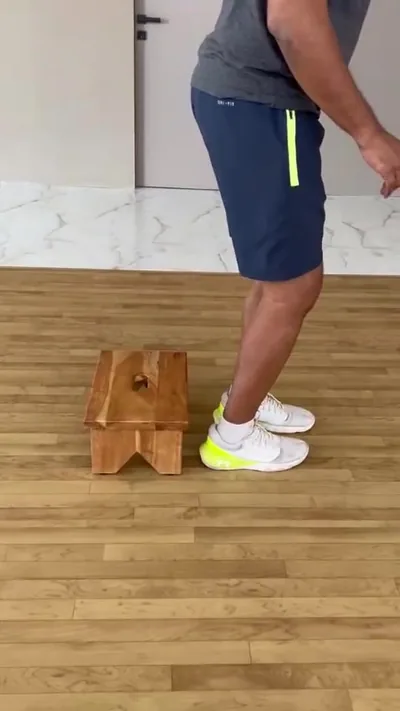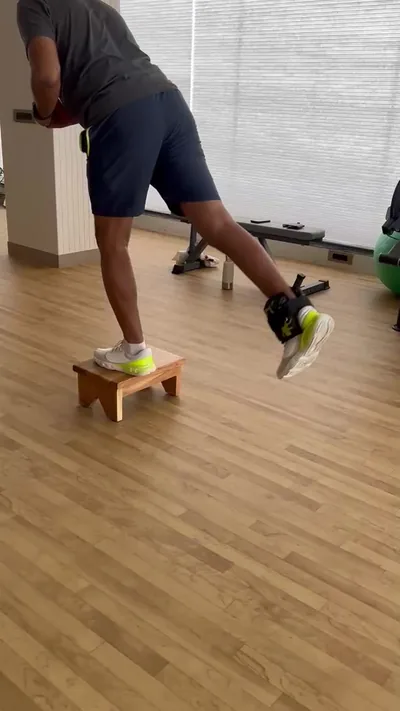
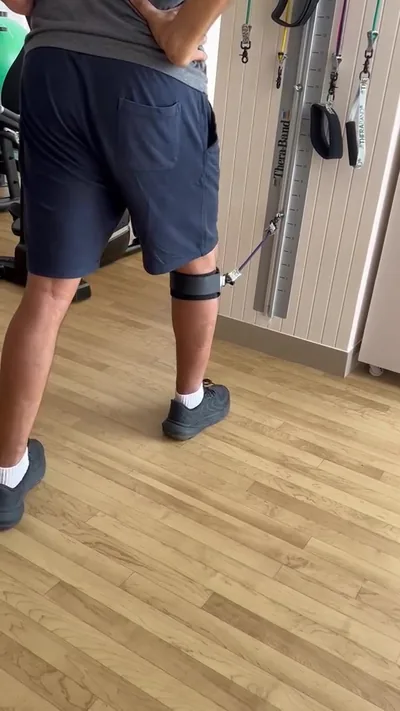
Backward Walking in ACL Rehab Phase 2
Backward walking helps athletes recover from ACL injuries. It builds knee stability in Phase 2 of rehab. This exercise targets quadriceps and improves control after surgery…
Read article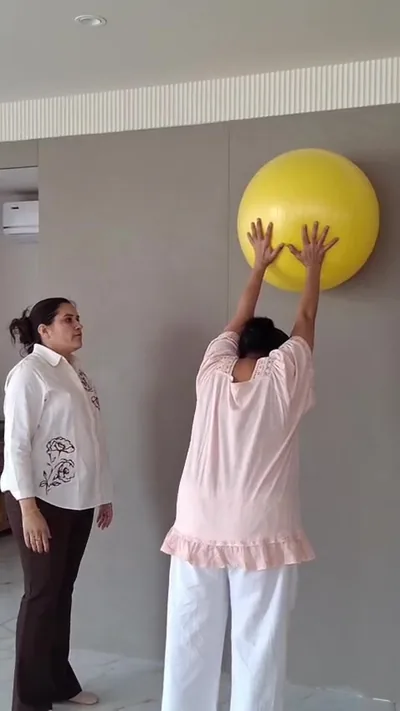

Frozen shoulder, or adhesive capsulitis, causes pain and stiffness in the shoulder joint. The capsule around the joint thickens and tightens, limiting movement. Office workers in Jaipur often face this from long desk hours with poor posture, hunching forward over keyboards.
Symptoms begin with a dull ache in the shoulder, often deep inside the joint. Pain sharpens with overhead reaches, like shelving files, or behind-the-back moves, such as fastening a bra.
Night pain from frozen shoulder disrupts sleep most. Lying flat presses the shoulder into the mattress, compressing the inflamed capsule. Side-sleeping on the affected side traps the arm under your body weight. Even the good side causes issues if the arm flops forward.
Get an in-person physiotherapist assessment for proper diagnosis. Self-care supports professional care but does not replace it. A physiotherapist checks joint play by gently moving the arm while stabilising the shoulder blade.
Evening stretches loosen the joint capsule and surrounding tissues. They target stiffness built up from daytime sitting, cutting night pain and aiding deeper sleep. Gentle mobility exercises before bed improve shoulder range of motion gradually. Looking for a Physiotherapy Clinic Near Me? Our team in Vaishali Nagar, Jaipur can assess you in person.
Stretches aid circulation to the shoulder area. Blood flow increases to the capsule and muscles, delivering nutrients and removing waste. Muscles around the joint relax, reducing pull on the tight capsule. Joint fluid spreads more evenly, easing that grinding sensation during movement.
Physiotherapists grade stiffness stages: freezing (pain dominant), frozen (stiffness peaks), thawing (mobility returns). They test external rotation first by lying you on your back and gently rotating the forearm outward. Bedtime stretches focus on outer range without force, respecting your current limits.
Do these slowly in a quiet space. Breathe deeply through your nose, out through your mouth. Hold each 20-30 seconds. Repeat 3-5 times per side, starting with the affected shoulder. Stop if pain sharpens beyond a mild stretch sensation.
These suit bedtime as they are low-impact and use body weight or props. Progress by adding 5 seconds to holds weekly if pain-free and range improves. If one stretch feels too intense, skip and try the next day after warming longer. More on Frozen Shoulder Treatment and how we assess it.
Build a 10-15 minute routine 30-60 minutes before bed to reduce shoulder stiffness before sleep. Sit or stand in a quiet spot. Dim lights to signal wind-down. Wear loose clothing for free movement.
Start with warm-up: apply a heat pack 5-10 minutes. Use a damp towel microwaved for 1 minute (test on wrist first—should feel warmly comfortable, not hot). Do stretches in the order above, resting 10 seconds between repeats.
To improve shoulder range of motion evening, add a wall walk: face a wall, fingers walk up slowly to max height, hold 10 seconds, walk down. Repeat 3 times. Safe home stretches like these for adhesive capsulitis maintain capsule length without strain. You may also find Frozen Shoulder Bedtime Exercises for Night Pain useful.
For sleep, side-lie with a pillow under the affected arm to support it forward, preventing roll-back compression. If flat on back, place pillow under upper arm.
Seek help if pain lasts weeks, motion stays limited below chest level, or daily tasks like washing hair hurt. Red flags include sudden weakness, numbness down the arm, chest pain, or fever—see a doctor promptly.
At Trivayu Physio Center, Manual Therapy aids frozen shoulder by gentle joint mobilisation. Orthopaedic Rehabilitation builds strength progressively. Electrotherapy eases pain through targeted modalities. Team includes Dr. Jyoti Choudhary (17+ years in orthopaedics), Dr. Hritika Choudhary (rehab specialist).
Visit Vaishali Nagar or Vidyadhar Nagar branches. They take full history, do physical tests like joint glides and muscle strength checks, then mobilise if suitable. They tailor home exercise plans to your stage, teaching safe progressions.
Yes, if kept gentle and pain-free. Start slow. Consult if history of injury, diabetes, or thyroid issues, as these link to frozen shoulder.
Daily before bed for 10-15 minutes. Rest 1 day weekly if sore, resuming lighter next day.
Yes, they loosen joints and reduce capsule tightness, lessening night flares.
Stop immediately. Shorten holds or reduce repeats next time. See physiotherapist if persists beyond 48 hours.
If no improvement in 1-2 weeks, pain spreads to neck/arm, or strength drops when holding a cup. Early help speeds thawing phase.
Inactivity during day shrinks capsule fluid. Lying down compresses tissues further. Gentle stretches maintain length and flow.
Check with physiotherapist first. Modify for tendonitis (less rotation) or arthritis (shorter holds).
Track morning range—if external rotation drops below 30 degrees or pain wakes you over 3 nights weekly.
Pair evening routines with daytime desk breaks: every hour, stand for shoulder rolls (10 forward, 10 back) and ergonomic checks. Consistent home care supports physiotherapy. Book at Trivayu Physio Center today.
Physiotherapy is not the right first step for everything. Seek medical assessment promptly if any of the following apply to you:
If you lose control of your bladder or bowels, develop numbness around the groin, or have chest pain or breathlessness, treat it as an emergency and go to hospital.
Truly thankful to Dr. Jyoti Choudhary and the entire team of Trivayu Physio Centre for their genuine care, humble behaviour, and excellent treatment.
Mahesh Dhaka, Google review
This is one patient's own account, published with consent on our reviews page. It describes their experience, not a predicted outcome. Individual results vary.
Backward walking helps athletes recover from ACL injuries. It builds knee stability in Phase 2 of rehab. This exercise targets quadriceps and improves control after surgery…
Read articleAfter ACL surgery, rebuilding knee strength takes time and care. ACL rehabilitation phases guide this process step by step. Phase 1 protects the graft and cuts…
Read articleAfter hip replacement surgery, dressing your lower body safely helps build independence. By week 6 of hip replacement recovery, many patients aim to dress without help.…
Read articleMessage us on WhatsApp with your main concern and preferred time, and we'll confirm your first visit the same day.