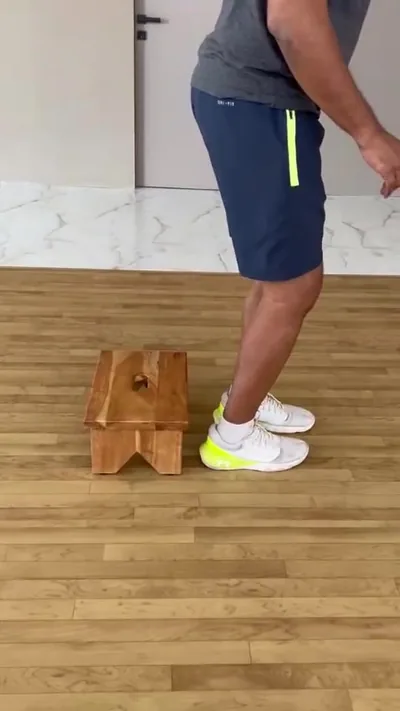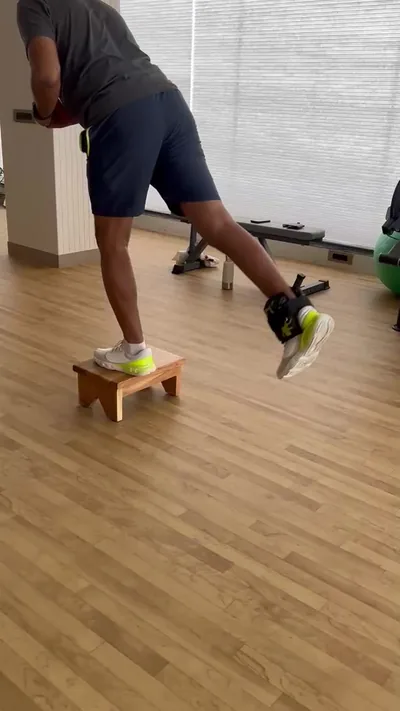
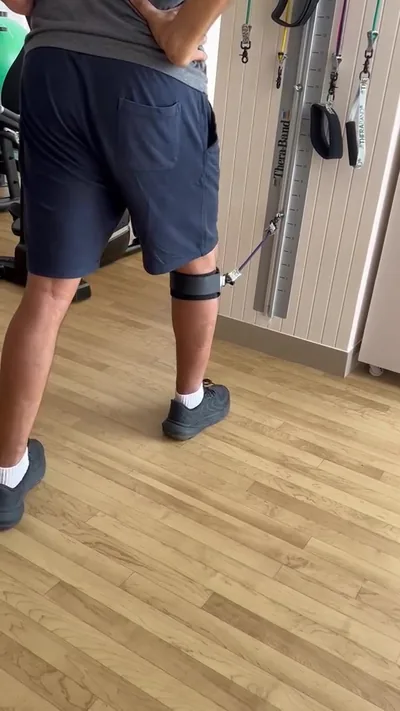
Backward Walking in ACL Rehab Phase 2
Backward walking helps athletes recover from ACL injuries. It builds knee stability in Phase 2 of rehab. This exercise targets quadriceps and improves control after surgery…
Read article

After knee replacement surgery, your body needs gentle ways to rebuild strength. Side lying exercises target the hips and glutes without much strain on the new knee. These moves help in early recovery by working muscles that support the knee.
In the side position, you lie on your bed or a firm surface. This keeps the operated knee stable and protected. It suits bedside practice when getting up feels hard. Hip and glute work builds stability, which aids walking and balance.
Always check with your surgeon or physiotherapist before starting. These exercises suit general early recovery but fit each person differently. General precautions include avoiding sharp pain and keeping movements slow.
Hip and glute exercises in side lying position play a key role in knee stability. Strong glutes help control knee movement during daily tasks. This reduces wobble and supports better alignment.
They prevent muscle weakness that can set in after surgery. Lying on your side isolates the hip muscles, letting them activate without overloading the knee. Over time, this improves mobility and eases standing or stepping. Looking for a Physiotherapy Clinic Near Me? Our team in Vaishali Nagar, Jaipur can assess you in person.
These moves support overall rehab by boosting circulation and joint awareness. Paired with Manual Therapy from a skilled physiotherapist, they aid smoother progress. Side lying hip exercises after knee replacement fit well into a home routine.
This basic side lying leg lift strengthens hip abductors. It is a safe bedside exercise for post knee replacement recovery.
Lie on your unaffected side with hips stacked and knees slightly bent. Rest your head on your arm or pillow. Keep the top foot flexed and stacked over the bottom one.
Breathe in to prepare. Breathe out as you slowly lift the top leg 15-20 cm off the bottom leg. Keep toes pointing forward and avoid rotating the hip. Hold for 2-3 seconds, then lower with control.
Do 8-12 lifts per side, 2-3 times a day. Stop if you feel knee pain. Common mistakes include arching the back or lifting too high. Keep the movement small and smooth for glute activation side lying.
This modified bridge in side position focuses on glute work. It suits glute exercises side lying knee surgery patients in early recovery.
Lie on your side with knees bent at 90 degrees and hips stacked. Support your head with your arm. Place the top hand on the floor for balance. More on Knee Pain Treatment and how we assess it.
Breathe out and press through the bottom knee to lift both hips slightly. Squeeze the glutes at the top without pushing the top knee forward. Hold for 2 seconds, then lower slowly.
Aim for 6-10 repeats per side, once or twice daily. Focus on glute activation, not height. Progress by holding longer as comfort grows. This side position hip strengthening knee rehab move builds endurance safely.
Try the clamshell for more variety. Lie on your side with knees bent and feet together. Breathe out to lift the top knee while keeping feet touching, like opening a clamshell. Lower slowly. Do 8-12 times.
Side lying knee march works if your knee allows slight bend. Lift the top knee a few cm towards the chest, then lower. Keep hips steady. This aids hip strengthening after knee surgery. You may also find Hip Replacement Side Sleeping with Pillow useful.
Combine moves in a short set: abduction, bridge variation, clamshell. Do them together 1-2 times a day. Progress when these feel easy and pain-free. Start early recovery knee replacement exercises like these under guidance.
Watch for pain signals like sharp knee twinges, swelling or instability. Mild muscle soreness is normal, but stop if the new knee hurts. Avoid twisting or fast moves.
Do not push through discomfort. Ice the knee after exercises if needed. These are general suggestions; your recovery needs personal checks.
Seek in-person assessment at Trivayu Physio Center, Vaishali Nagar, Jaipur. Our team, including Dr. Jyoti Choudhary with 17+ years in orthopaedic rehab, can tailor post op knee rehab side position plans. Electrotherapy may help reduce swelling alongside exercises. Book via WhatsApp at +91 90570 65065 or call.
They can be safe in early stages if guided by a physiotherapist. Start only after surgeon approval. Keep movements gentle to protect the knee.
Try 1-3 times a day in short sets. Listen to your body and rest as needed. Consistency matters more than volume.
Stop right away. Adjust position or reduce range. Contact your physiotherapist for checks, as it may signal a need for modification.
Yes, they target glutes directly in a knee-friendly way. Hip abduction exercises knee replacement style build strength for better support.
Usually after initial hospital rehab, around 1-2 weeks, but follow your doctor’s timeline. An assessment confirms readiness.
No, these need just a bed or mat. Side lying leg lifts post surgery and others use body weight alone.
Side lying hip exercises after knee replacement aid steady recovery. Build hip and glute strength safely at bedside. Pair with professional input for best results.
Book an assessment at Trivayu Physio Center today. WhatsApp +91 90570 65065 or call to start your personalised plan.
Physiotherapy is not the right first step for everything. Seek medical assessment promptly if any of the following apply to you:
If you lose control of your bladder or bowels, develop numbness around the groin, or have chest pain or breathlessness, treat it as an emergency and go to hospital.
Truly thankful to Dr. Jyoti Choudhary and the entire team of Trivayu Physio Centre for their genuine care, humble behaviour, and excellent treatment.
Mahesh Dhaka, Google review
This is one patient's own account, published with consent on our reviews page. It describes their experience, not a predicted outcome. Individual results vary.
Backward walking helps athletes recover from ACL injuries. It builds knee stability in Phase 2 of rehab. This exercise targets quadriceps and improves control after surgery…
Read articleAfter ACL surgery, rebuilding knee strength takes time and care. ACL rehabilitation phases guide this process step by step. Phase 1 protects the graft and cuts…
Read articleAfter hip replacement surgery, dressing your lower body safely helps build independence. By week 6 of hip replacement recovery, many patients aim to dress without help.…
Read articleMessage us on WhatsApp with your main concern and preferred time, and we'll confirm your first visit the same day.