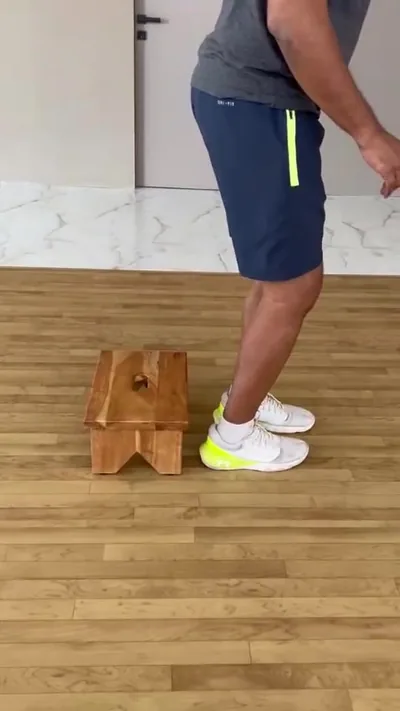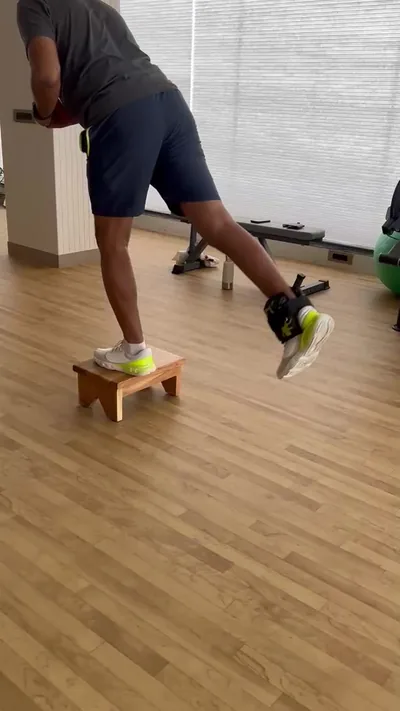
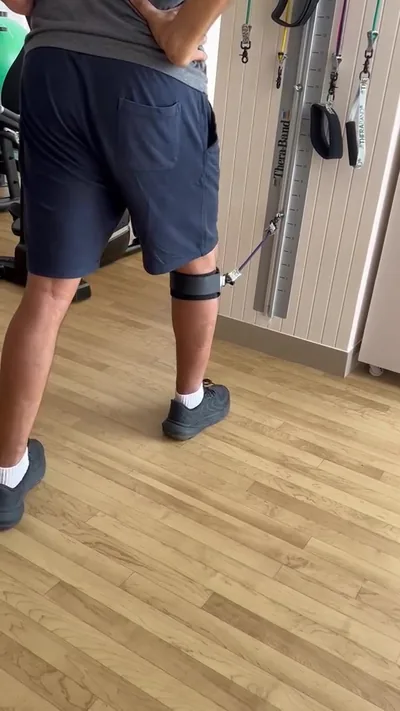
Backward Walking in ACL Rehab Phase 2
Backward walking helps athletes recover from ACL injuries. It builds knee stability in Phase 2 of rehab. This exercise targets quadriceps and improves control after surgery…
Read article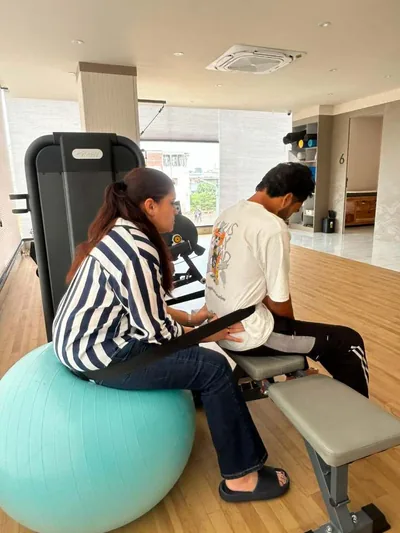

Sciatica pain during namaz affects many men in Jaipur. It strikes in positions like ruku and sajda. This pain comes from pressure on the sciatic nerve, running from the lower back to the legs. You feel sharp pain, tingling, or numbness in the back, buttocks, or legs during prayer.
Prayer positions bend and twist the spine. This irritates the nerve if a disc presses on it. Men often face this from long sitting hours or heavy lifting. Simple changes help. Stretches and adjustments reduce discomfort. A physio check rules out serious issues.
Trivayu Physio Center in Vaishali Nagar offers help. Our team supports pain relief for daily namaz. Book an assessment for personal advice.
Sciatica namaz me pain happens when the sciatic nerve gets pinched. Common causes include slip disc or tight muscles. In namaz ke time sciatica pain worsens in ruku, as forward bending strains the lower back. During sajda, leg pain during sajda shoots down the leg from nerve compression.
Symptoms include burning pain from lower back to calf, weakness in the leg, or pins-and-needles. Namaz sciatica position like prolonged sitting after sajda adds pressure. Men in Jaipur report this from desk jobs or driving. Weight gain or poor posture makes it common in middle age. Looking for a Physiotherapy Near Me? Our team in Vaishali Nagar, Jaipur can assess you in person.
Is namaz good for sciatica? Gentle prayer helps mobility but poor form flares it up. Seek physio if pain lasts over weeks, spreads to both legs, or includes bowel issues. An in-person assessment finds the root cause. Do not ignore it, as it may signal disc problems.
Adjust prayer positions to cut sciatic nerve pain in namaz. Start with standing. Keep feet shoulder-width apart. Distribute weight evenly to avoid lower back strain.
For ruku, bend knees slightly instead of locking them. Place hands on thighs, not full bend. This reduces lower back pain during ruku. Shorten the hold if pain starts. More on Ankle Pain Treatment and how we assess it.
In sajda, use a thick mat or cushion under knees. Keep hips over heels, not stretched back. Ease into position slowly. For sitting between sajdas, sit on one hip with the sore leg extended straight. Switch sides each rakat. These sciatica namaz position tips make prayer comfortable.
Practical tips: Pray on a firm surface. Warm up first. Stop if pain sharpens. Over time, these changes build tolerance for full namaz.
Sciatica stretches for prayer target tight spots. Do them gently at home. Start with 10-second holds, 3 times each side. Breathe deeply.
Quick routine before namaz: Do one set in 5 minutes. After prayer, repeat to unwind. Sciatica exercises before namaz prevent flare-ups. Stop if pain increases. Build up slowly. You may also find Sciatica Night Leg Cramps: Magnesium and Stretches useful.
Use these for sciatica relief for namaz. Consistency matters more than intensity.
At Trivayu Physio Center, we treat sciatica pain jaipur with proven methods. Robotic Spinal Decompression Therapy gently pulls the spine to ease disc pressure. Class IV High Power Laser Therapy reduces inflammation fast.
Manual Therapy frees tight joints and muscles. We also use TECAR Therapy for deep heat and pain relief. Dry Needling targets trigger points. Dr. Jyoti Choudhary, with 17 years in orthopaedics, leads our team. Dr. Hritika handles advanced electrotherapy.
Pain management starts with assessment. We tailor plans for prayer comfort. Post-op rehab helps if surgery was needed. Combine with home stretches for best results. Jaipur locations include Vaishali Nagar and Vidyadhar Nagar.
Prevent sciatica flare-ups during namaz with daily habits. Sit straight at work. Use lumbar support in cars. Walk 20 minutes daily to strengthen back.
Posture correction avoids slouching. Strengthen core with planks, 10-20 seconds holds. Avoid heavy lifting without bending knees. For prayer, practice adjusted positions regularly.
Clinic support in Jaipur includes exercise therapy. Dr. Ishu Sharma guides sports rehab routines. Home visits available. Build habits for pain-free namaz.
Use cushions in sajda, bend knees in ruku, and sit on one hip. Stretch first. See physio for lasting help.
Piriformis, hamstring, and cat-cow stretches. Hold gently, 30 seconds each. Do daily.
Full ruku strains if acute. Soften knees and shorten hold. Adjusted ruku is safe.
Yes. Decompression and manual techniques ease nerve pain. Improves prayer tolerance.
If pain persists 2 weeks, worsens, or limits walking. Book at Trivayu for assessment.
Sciatica during namaz need not stop your faith. Safe positions and stretches bring relief. Physio speeds recovery. Variations exist, so get checked.
Book an assessment at Trivayu Physio Center today. WhatsApp +91 90570 65065 or call. Locations in Vaishali Nagar and Vidyadhar Nagar open Mon-Sat 8am-8pm.
Physiotherapy is not the right first step for everything. Seek medical assessment promptly if any of the following apply to you:
If you lose control of your bladder or bowels, develop numbness around the groin, or have chest pain or breathlessness, treat it as an emergency and go to hospital.
Truly thankful to Dr. Jyoti Choudhary and the entire team of Trivayu Physio Centre for their genuine care, humble behaviour, and excellent treatment.
Mahesh Dhaka, Google review
This is one patient's own account, published with consent on our reviews page. It describes their experience, not a predicted outcome. Individual results vary.
Backward walking helps athletes recover from ACL injuries. It builds knee stability in Phase 2 of rehab. This exercise targets quadriceps and improves control after surgery…
Read articleAfter ACL surgery, rebuilding knee strength takes time and care. ACL rehabilitation phases guide this process step by step. Phase 1 protects the graft and cuts…
Read articleAfter hip replacement surgery, dressing your lower body safely helps build independence. By week 6 of hip replacement recovery, many patients aim to dress without help.…
Read articleMessage us on WhatsApp with your main concern and preferred time, and we'll confirm your first visit the same day.