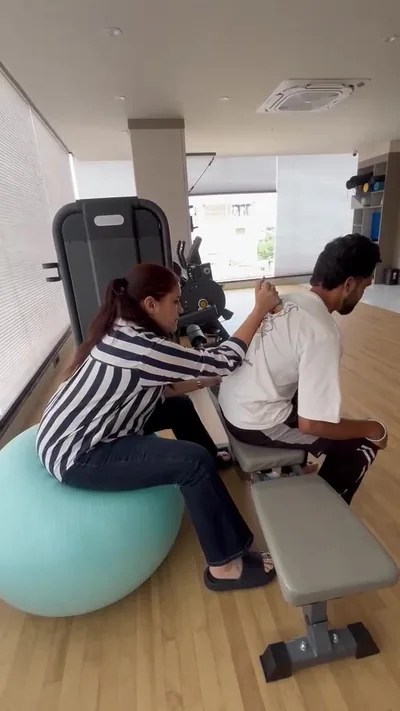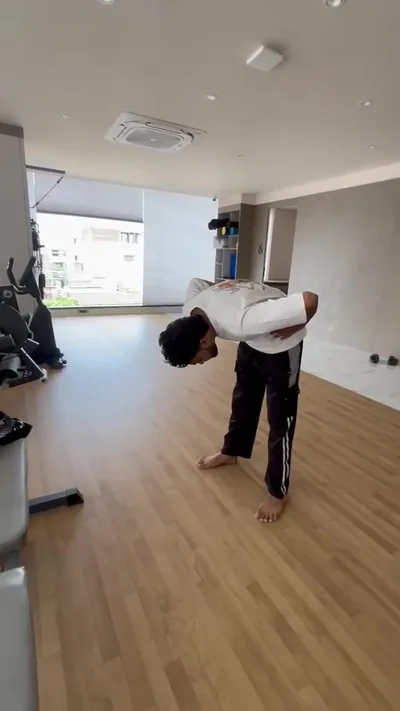
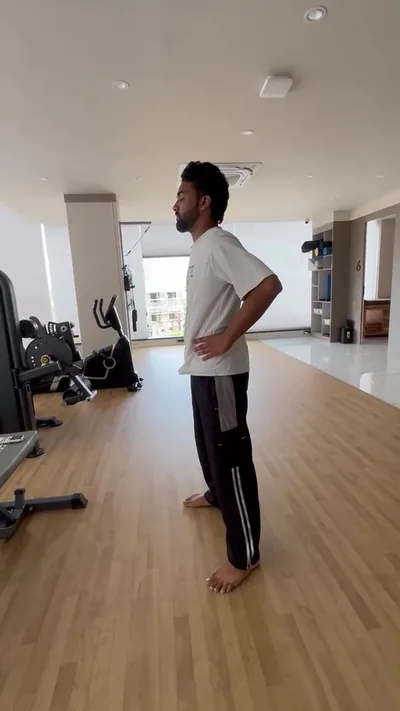
Is Side Bending Safe with L4 L5 Herniated Disc
An L4 L5 herniated disc happens when the disc between your fourth and fifth lumbar vertebrae bulges or ruptures. This presses on nearby nerves, causing pain…
Read article

The sciatica hamstring test at home is the straight leg raise test, or SLR test. It checks nerve tension in your leg. Sciatica causes pain from lower back down the leg due to nerve irritation. This self-test tracks symptoms. Tight hamstrings worsen nerve tension. Regular testing shows changes. It spots limits in leg raising that signal sciatica. Do it safely to avoid injury. This test does not diagnose. See a physiotherapist if pain persists.
At Trivayu Physio Center in Vaishali Nagar, Jaipur, we guide patients on such tests. Our team helps manage sciatica.
The sciatica hamstring test is the SLR test. Lie on your back and raise one leg straight. Note where pain starts or stops you. This reveals hamstring flexibility links to sciatica.
Sciatica comes from pressure on the sciatic nerve, often from a slip disc or tight muscles. Tracking nerve tension monitors flare-ups. Hamstring limits show if tightness pulls on the nerve. A shorter raise on the painful side points to issues.
Do this SLR test at home to track symptoms. It links results to daily changes. Consistent tracking spots patterns. This sciatica self test checks nerve tension without tools. It spots chronic leg pain early. Looking for a Physiotherapy Clinic Near Me? Our team in Vaishali Nagar, Jaipur can assess you in person.
Follow these steps for SLR test at home. Use a firm surface like a yoga mat or bed.
Stop if sharp pain. Breathe steadily. Do not bounce or force. Warm up with light walks or ankle circles. Skip if severe back pain, recent injury or balance issues.
Pain below knee during raise suggests sciatica nerve tension. Hamstring pull stops at knee. Track both sides. Uneven results point to nerve issues.
A positive SLR test means pain radiates past knee at low angle. This signals nerve tension. Pain in calf or foot adds to positive signs. More on Sciatica Treatment and how we assess it.
Negative: Raise leg high with no radiation below knee. Mild hamstring limit causes buttock tension only. Positive signs include tingling, shooting pain or numbness.
Symmetric limits point to tightness, not sciatica. One-sided drop-off needs physio. Track over days. Worsening or weakness mean seek help. For chronic pain, repeat weekly at same time.
Regular SLR tests highlight nerve tension. If tight hamstrings limit raise, try gentle stretches. Seated forward bends: Sit with legs extended, reach forward slowly without rounding back. Hold 20 seconds, repeat 3 times daily.
For relief, try neural glides. Sit tall, slump forward slightly, then look up. Repeat 10 times per side, twice a day. Stop if pain increases. You may also find Sciatica Knee Bend Test at Home useful.
Combine with walking breaks. Use good shoes with arch support. Apply heat to lower back 15 minutes before testing. These support management between visits.
Tight hamstrings increase pull on lower back and sciatic nerve. This worsens pain from bending or driving. SLR test tracks improvements.
Spot triggers like long sitting or lifting. Better flexibility eases tension. Use posture care: Sit with lumbar support, feet flat, knees at 90 degrees.
Log results weekly: Pain level 1-10, raise angle, prior activities. Patterns help tailor physio plans.
In chronic sciatica, low-angle positives show ongoing irritation. Poor hamstring flexibility keeps symptoms active.
In physio, therapist repeats SLR with precision, checking alignment. For limits below 50 degrees with radiation, they add Manual Therapy to release tissues.
Home care: Progress to standing hamstring stretches against wall. Track SLR angle gains. If pain persists, professional Orthopaedic Rehabilitation strengthens core.
If positive, book clinic visit. Consistent pain or limits below 50 degrees need check. At Trivayu, we use Manual Therapy for nerve tension.
Dr. Jyoti Choudhary and team assess fully. We offer Orthopaedic Rehabilitation and Electrotherapy. Locations in Vaishali Nagar and Vidyadhar Nagar. Expect SLR plus posture, gait and strength tests.
Physio starts with pain relief positions, progresses to mobilisations and core exercises. TENS reduces pain signals. Do not delay for numbness, weakness or bowel changes.
Pair SLR with slump test: Sit, slump forward with head down, extend knee. Tension confirms nerve issues.
Lift leg to check sciatic nerve tension. Pain past knee suggests irritation. Key home self test.
Lie flat, raise straight leg slowly to pain limit. Note angle and symptoms. Compare sides. Warm up.
Nerve-related pain on raise. Track it, see physio. Log patterns.
Yes, tightness worsens tension. Improve with stretches, measure by SLR.
Low limits with radiation signal issues. Track weekly; get assessed if no change.
If limits below 60 degrees with radiation, symptoms over two weeks, one-sided changes or numbness.
Track sciatica hamstring test at home to monitor nerve tension. For lasting relief, professional care helps. Trivayu Physio Center offers expert support.
Book an assessment today. WhatsApp or call +91 90570 65065. Locations: 204, 2nd Floor, Om Tower, Gandhi Path Road, Nemi Nagar, Vaishali Nagar, Jaipur. Also at Vidyadhar Nagar.
Physiotherapy is not the right first step for everything. Seek medical assessment promptly if any of the following apply to you:
If you lose control of your bladder or bowels, develop numbness around the groin, or have chest pain or breathlessness, treat it as an emergency and go to hospital.
Truly thankful to Dr. Jyoti Choudhary and the entire team of Trivayu Physio Centre for their genuine care, humble behaviour, and excellent treatment.
Mahesh Dhaka, Google review
This is one patient's own account, published with consent on our reviews page. It describes their experience, not a predicted outcome. Individual results vary.
An L4 L5 herniated disc happens when the disc between your fourth and fifth lumbar vertebrae bulges or ruptures. This presses on nearby nerves, causing pain…
Read articleShopkeepers in Jaipur often stand for long hours behind counters. This prolonged standing can trigger sciatica pain. Sciatica happens when the sciatic nerve gets irritated, often…
Read articleHerniated disc night pain disrupts sleep for many. The disc bulge presses on nerves, causing sharp back pain or sciatica that flares up at night. Simple…
Read articleMessage us on WhatsApp with your main concern and preferred time, and we'll confirm your first visit the same day.