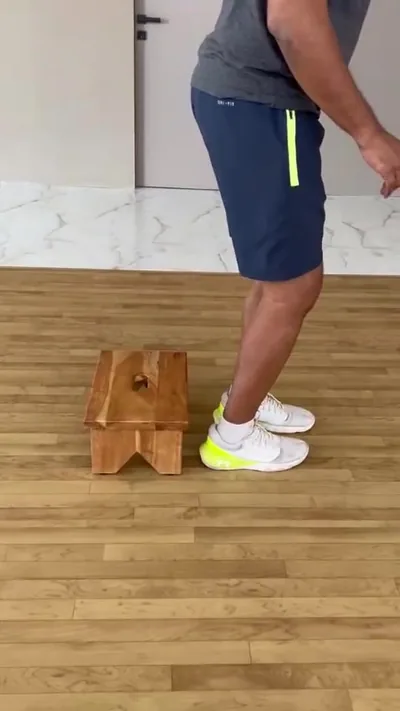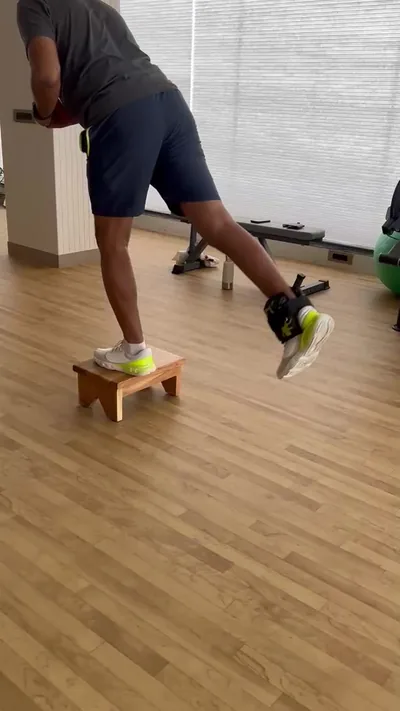
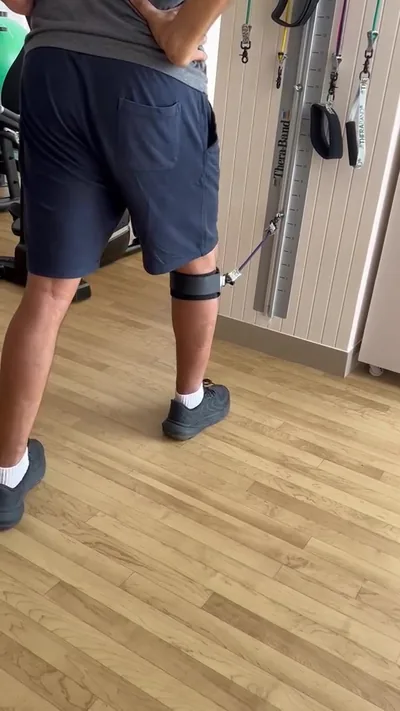
Backward Walking in ACL Rehab Phase 2
Backward walking helps athletes recover from ACL injuries. It builds knee stability in Phase 2 of rehab. This exercise targets quadriceps and improves control after surgery…
Read article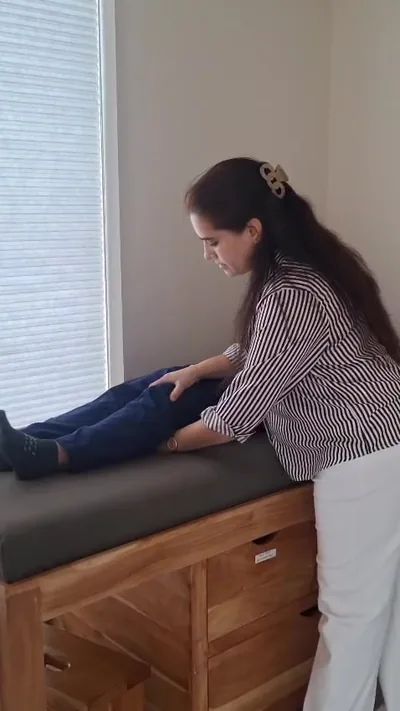

The sciatica knee bend test helps you check for nerve irritation from your lower back. It is a simple home test, also called the straight leg raise test. This can show if leg pain links to sciatica. But it does not diagnose. See a physiotherapist for proper assessment.
Sciatica happens when the sciatic nerve gets irritated, often from a disc issue in the lower back. Pain shoots down the leg, sometimes to the knee or foot. The knee bend test spots this nerve pull. At Trivayu Physio Center in Vaishali Nagar, Jaipur, we guide patients on such self-checks before their visit.
This article covers how to do the sciatica knee bend test safely. It explains results and next steps. Use it as a first step towards relief.
Sciatica is irritation or pressure on the sciatic nerve. This nerve runs from the lower back through the hips, buttocks, and down each leg. Common causes include slip disc or tight muscles like the piriformis.
The sciatica knee bend test, or straight leg raise test, checks for nerve irritation. You raise your leg straight while lying down. If it pulls pain from the back into the leg, it suggests nerve involvement. Do this as a sciatica self test at home. Looking for a Rehabilitation Centre Near Me? Our team in Vaishali Nagar, Jaipur can assess you in person.
This is not a full diagnosis. It flags possible issues. In Jaipur, many with back pain or leg pain use this knee bending test for sciatica before seeing a physio. At our clinic in Vaishali Nagar or Vidyadhar Nagar, we confirm with in-person checks.
Sciatica symptoms include sharp leg pain, numbness, tingling, or weakness. Pain often worsens with sitting or bending. A home leg pain test like this spots nerve irritation early.
Early self-check has benefits. It helps you track symptoms before a clinic visit. You learn if pain stays in the back or travels below the knee. This guides when to seek help.
Common in back pain cases, sciatica affects daily life. But always follow up with a professional. Self-tests like the sciatica test at home aid awareness, not replacement for care. More on Knee Pain Treatment and how we assess it.
Do this test on a firm bed or mat. Wear loose clothes. Stop if pain is severe. Here are safe steps for the straight leg raise test.
Try sitting version if lying is hard. Sit on bed edge, straighten one leg out. Note pain as you lift the foot.
Watch for pain in the back of thigh, calf, or foot. Sharp pull below knee signals positive sciatica test. Breathe steadily. Do not force. Safety first to avoid strain.
A negative result means no pain or pull when raising the leg to 70 degrees. Pain only in the back or hamstring suggests muscle issue, not nerve.
A positive sciatica knee bend test brings familiar leg pain between 30-70 degrees. Pain below the knee points to nerve irritation. This is a key sciatica symptoms check. You may also find Sciatica vs Hip Bursitis: Home Test Exercises useful.
Variations matter. Pain at low angles hints stronger irritation. But one test does not confirm sciatica. Combine with symptoms like numbness. The piriformis test knee bend variation involves slight knee bend to check buttock pain.
Results vary by day. Track over time for home sciatica assessment.
If positive, book a physio assessment soon. Nerve irritation needs expert care. At Trivayu Physio Center, we offer Manual Therapy to ease pressure.
Till your appointment, try home care. Rest but avoid bed rest over two days. Walk gently. Use heat or ice on the lower back for 15 minutes. Gentle stretches if pain-free.
Visit us at 204, 2nd Floor, Om Tower, Gandhi Path Road, Nemi Nagar, Vaishali Nagar, Jaipur. Open Mon-Sat 8 am to 8 pm, Sun 10 am to 1 pm. Also in Vidyadhar Nagar at Rangoli Gardens. Our team, including Dr. Jyoti Choudhary with 17+ years in orthopaedics, handles sciatica cases.
It is a home nerve irritation test. Raise your straight leg lying down. Leg pain below knee suggests sciatica pull.
Lie flat, raise one leg straight to 70 degrees. Hold 5 seconds. Note pain location. Repeat both sides.
Seek physio for full check. Positive means possible nerve issue. Do not ignore.
Yes, for awareness. But it is not diagnosis. Pair with professional assessment.
If positive or symptoms worsen. Early visit prevents long-term trouble.
Yes, sciatica knee bend test is the straight leg raise. Keep knee straight during lift.
You now know how to do the sciatica knee bend test. Use it wisely as a sciatica knee pain test. For tailored relief, get assessed in person.
Book your assessment at Trivayu Physio Center. WhatsApp or call +91 90570 65065.
Physiotherapy is not the right first step for everything. Seek medical assessment promptly if any of the following apply to you:
If you lose control of your bladder or bowels, develop numbness around the groin, or have chest pain or breathlessness, treat it as an emergency and go to hospital.
Truly thankful to Dr. Jyoti Choudhary and the entire team of Trivayu Physio Centre for their genuine care, humble behaviour, and excellent treatment.
Mahesh Dhaka, Google review
This is one patient's own account, published with consent on our reviews page. It describes their experience, not a predicted outcome. Individual results vary.
Backward walking helps athletes recover from ACL injuries. It builds knee stability in Phase 2 of rehab. This exercise targets quadriceps and improves control after surgery…
Read articleAfter ACL surgery, rebuilding knee strength takes time and care. ACL rehabilitation phases guide this process step by step. Phase 1 protects the graft and cuts…
Read articleAfter hip replacement surgery, dressing your lower body safely helps build independence. By week 6 of hip replacement recovery, many patients aim to dress without help.…
Read articleMessage us on WhatsApp with your main concern and preferred time, and we'll confirm your first visit the same day.