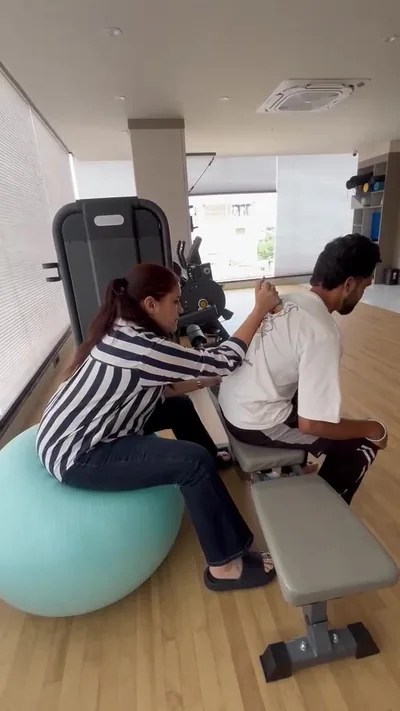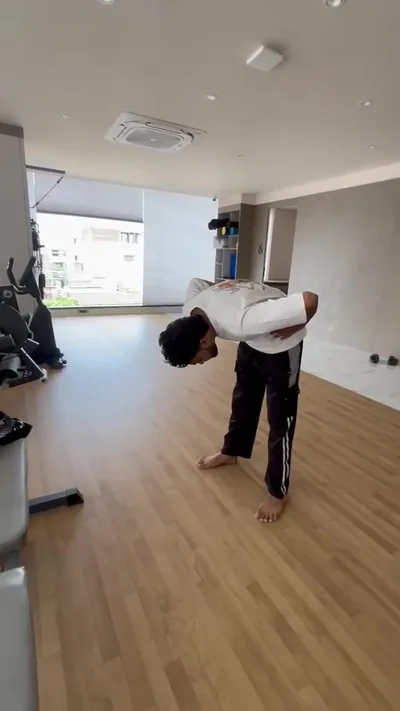
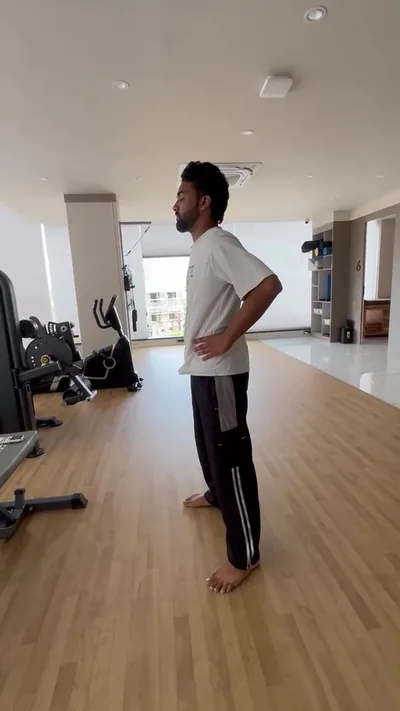
Is Side Bending Safe with L4 L5 Herniated Disc
An L4 L5 herniated disc happens when the disc between your fourth and fifth lumbar vertebrae bulges or ruptures. This presses on nearby nerves, causing pain…
Read article

Sciatica twisting flare-up happens when a sudden twist irritates the sciatic nerve. This nerve runs from lower back through buttocks and down each leg to the foot. It occurs during sports like cricket or badminton, quick turns while lifting bags, or chores like reaching while twisting from the waist.
The twist presses on the nerve root from a disc bulge, piriformis spasm, or lower spine joint strain. This causes sharp pain, tingling, burning, or numbness from lower back into buttock, thigh, calf, or foot. Twisting adds shear force to the spine and stretches the nerve suddenly. It differs from slow-onset ache because it hits fast and feels electric.
Home care helps in the first 24 hours. But see a physiotherapist soon for an in-person check. This rules out serious issues like large disc herniation or fracture. A physiotherapist checks posture, leg strength, and nerve tests like straight-leg raise.
Stop all activity. Continuing worsens the flare. Sit or lie to unload the nerve.
Lie on your back on a firm surface with knees bent and feet flat. Place a small pillow under knees if needed. Or sit on a straight chair with back supported, feet flat, legs uncrossed at 90 degrees. Avoid slouching, crossing legs, or twisting to reach things.
Do not force stretches, stand bent to pick items, or drive without support. These increase nerve root pressure. Stay still for 20-30 minutes to settle inflammation. Note if pain shoots down one leg more—this helps the physiotherapist. Looking for a Physiotherapy Near Me? Our team in Vaishali Nagar, Jaipur can assess you in person.
Clear space around you to prevent bumps. Prop your phone nearby for help. Position alone starts relief before ice or pills.
Start with ice right after the twist. Wrap ice pack or frozen peas in a thin cloth. Apply to lower back or buttock for 15-20 minutes every 2 hours while awake. Ice numbs, reduces swelling, and calms nerve irritation. Do not apply directly to skin.
After 12-24 hours, try moist heat if ice does not help. Use a hot water bottle or warm towel wrapped in cloth. Apply for 15-20 minutes. Heat relaxes muscles around the nerve. Alternate only if one works better—test both on day one.
Paracetamol can ease discomfort. Follow package doses and check with a doctor if you have liver issues, ulcers, or take other medicines. Practice deep breathing: inhale through nose for 4 counts, hold 2, exhale through mouth for 6. Repeat 10 times hourly. This calms pain signals.
Stay hydrated with water or herbal tea; avoid caffeine. Eat light meals to prevent constipation. Later, Electrotherapy can target nerve pain. Start with these home steps. More on Ankle Pain Treatment and how we assess it.
Gentle movements prevent stiffness without stressing the nerve. Try after the first hour if pain drops. Move slowly; stop if leg pain increases. A physiotherapist teaches these with hands-on checks.
Avoid waist twisting, forward bending from back, or heavy lifting. No running, squats, lunges, or yoga with rotation. Skip stairs or uneven ground. Limit to flat-floor walking.
Rest means short breaks, not bed rest beyond 1-2 days. Walk 5-10 minutes every 2 hours on flat ground. Wear supportive shoes, no heels. Watch for red flags needing urgent care: You may also find Sciatica After Heavy Lifting: 48-Hour Home Care useful.
If red flags appear, go to hospital now.
Seek help if pain spreads below knee, worsens with coughing or sneezing, or limits walking more than 100 metres. At Trivayu Physio Center in Vaishali Nagar, Jaipur, our team handles these with hands-on assessment.
Dr. Jyoti Choudhary, with 17+ years in sports and orthopaedics, checks spine alignment. Dr. Hritika Choudhary handles post-op rehab for disc issues. Dr. Ishu Sharma focuses on sports rehab. We offer Robotic Spinal Decompression Therapy to unload nerve, and Dry Needling for muscle triggers.
Book for Orthopaedic Rehabilitation if home care falls short after 24-48 hours. A session starts with posture exam, then Manual Therapy if safe. We also serve Vidyadhar Nagar at Rangoli Gardens. Hours: Monday to Saturday 8 am to 8 pm, Sunday 10 am to 1 pm. Expect 45-60 minutes per visit, with home exercises.
Stop moving. Lie on back with knees bent, feet flat. Apply wrapped ice and rest 20-30 minutes. No twist or bend.
Ice first 12-24 hours for swelling. Heat after if muscles tight. Use what reduces leg pain most.
Gentle knee-to-chest or pelvic tilt if pain-free and no leg pain. 1-2 sets max. Avoid deep bends or twists.
If pain lasts beyond 24-48 hours, worsens on cough, or leg weakens. Trivayu offers expert support.
No. Short rest helps, but add gentle walks, knee hugs, and pelvic tilts after hour one. Full rest stiffens joints.
They test nerve glide, spine mobility, and strength in-person. Plan includes position advice, then core stability.
These steps guide first 24-48 hours of sciatica twisting flare-up. They provide safe home care tools like rest positions and ice/heat tips. Recovery varies by age, fitness, and cause.
Book in-person assessment at Trivayu Physio Center for tailored plan. WhatsApp or call +91 90570 65065 to start today.
Physiotherapy is not the right first step for everything. Seek medical assessment promptly if any of the following apply to you:
If you lose control of your bladder or bowels, develop numbness around the groin, or have chest pain or breathlessness, treat it as an emergency and go to hospital.
Truly thankful to Dr. Jyoti Choudhary and the entire team of Trivayu Physio Centre for their genuine care, humble behaviour, and excellent treatment.
Mahesh Dhaka, Google review
This is one patient's own account, published with consent on our reviews page. It describes their experience, not a predicted outcome. Individual results vary.
An L4 L5 herniated disc happens when the disc between your fourth and fifth lumbar vertebrae bulges or ruptures. This presses on nearby nerves, causing pain…
Read articleShopkeepers in Jaipur often stand for long hours behind counters. This prolonged standing can trigger sciatica pain. Sciatica happens when the sciatic nerve gets irritated, often…
Read articleHerniated disc night pain disrupts sleep for many. The disc bulge presses on nerves, causing sharp back pain or sciatica that flares up at night. Simple…
Read articleMessage us on WhatsApp with your main concern and preferred time, and we'll confirm your first visit the same day.