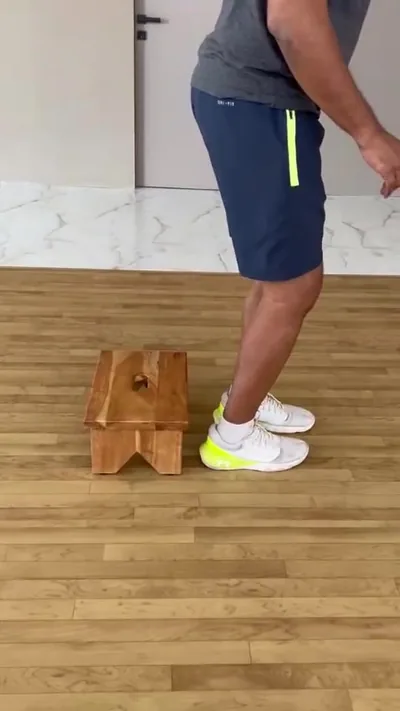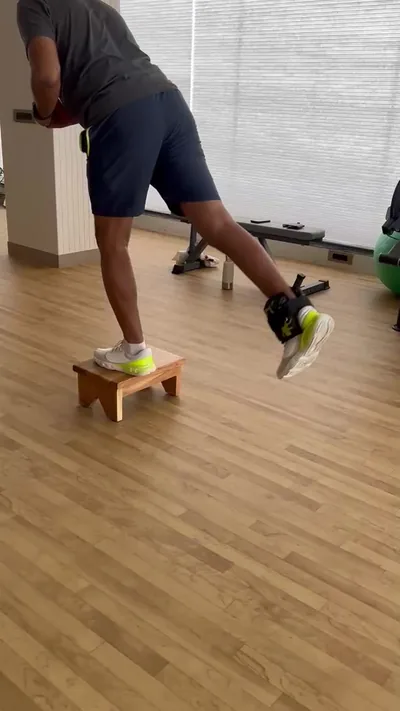
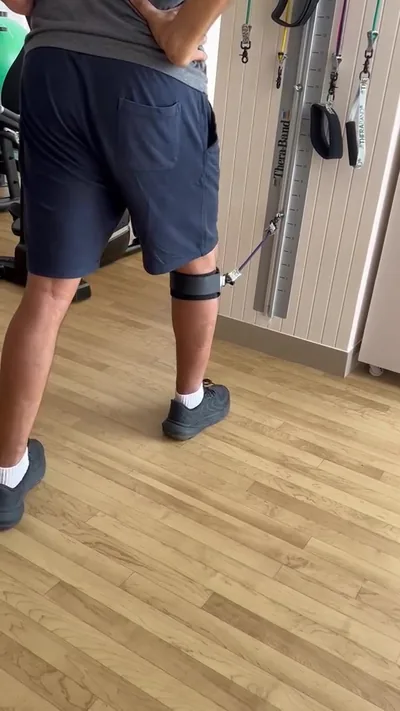
Backward Walking in ACL Rehab Phase 2
Backward walking helps athletes recover from ACL injuries. It builds knee stability in Phase 2 of rehab. This exercise targets quadriceps and improves control after surgery…
Read article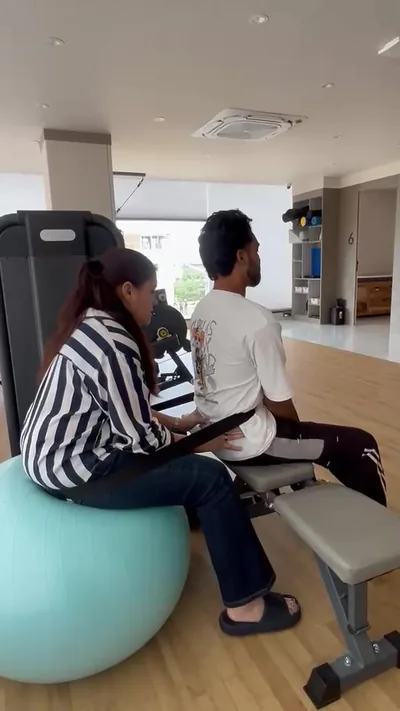

Office workers in Jaipur face sciatica pain from sitting all day at desks. Long hours in a chair irritate the sciatic nerve, causing pain, tingling or numbness that radiates from the lower back to the leg and foot. Desk stretches offer quick relief right from your office chair without leaving your seat.
These stretches target tight muscles like the piriformis and hamstrings that press on the nerve. They ease muscle tension, improve blood flow to the area and reduce pressure on the nerve roots. Use them during short breaks for desk-bound sciatica. For lasting relief, see a physiotherapist for a proper assessment.
Sciatica from desk work varies by your posture and habits. Prolonged sitting shortens hip flexors and weakens core muscles, worsening nerve irritation. Desk stretches provide immediate relief and help prevent flares. Always stop if pain worsens and seek an in-person assessment.
Sciatica happens when the sciatic nerve—the longest nerve in the body, running from the lower back through the hips, buttocks and down each leg—gets irritated or compressed. In office jobs, sitting for hours in a chair keeps the hips flexed, which tightens the piriformis muscle (a small muscle deep in the buttocks) and hamstrings. This squeezes the nerve, leading to sharp pain, tingling or numbness in the buttock, thigh, calf or foot.
Poor desk setup worsens it. Slouching forward strains the lower back. Crossing legs twists the pelvis. Low chairs tuck the pelvis under, flattening the lower back curve and pinching nerves. A physiotherapist checks your full sitting posture: chair height, desk height, keyboard position and even shoe choice. They note if one leg feels worse, which could point to uneven sitting habits from work or travel. Looking for a Rehabilitation Centre Near Me? Our team in Vaishali Nagar, Jaipur can assess you in person.
Prolonged sitting also stiffens the lumbar spine (lower back). Gravity and poor support flatten the natural curve, compressing the nerve roots where the sciatic nerve starts. Jaipur’s traffic and home routines add to it—long drives or low chairs at home keep the cycle going.
Gentle stretches lengthen tight muscles around the sciatic nerve pathway. They reduce muscle spasms that pinch the nerve and improve joint mobility in hips and spine. Regular stretching boosts circulation, which helps clear waste from inflamed tissues and brings fresh oxygen to the area.
These stretches also retrain posture. Sitting all day shortens front body muscles (hip flexors and chest) and weakens the back ones. Stretches balance this without equipment. A physiotherapist uses tests like the slump test—sitting with legs extended and slumping forward—to check nerve tension. Your desk stretches mimic this safely to free the nerve glide.
Do them 2-3 times a day, holding each for 20-30 seconds per side. Pair with deep breathing: inhale through nose, exhale through mouth to relax the whole body. More on Ankle Pain Treatment and how we assess it.
These are simple, equipment-free moves you can do at your work desk. Go slow. Hold 20-30 seconds per side. Breathe steadily. Stop if pain sharpens or numbness spreads. Track which ones feel best—note in phone for your physio visit.
Hug one knee to chest, keeping other foot flat. Tilt pelvis to flatten low back. Hold knee with both hands. Switch. Eases lower back and sacroiliac joint tension from slouching.
After each stretch session, note pain levels (better, same, worse). If one leg hurts more, focus extra on that side.
Adjust your desk: Raise screen top at eye level (use books if no stand). Feet flat or on footrest. Knees and hips at 90 degrees. Use lumbar roll or rolled towel at low back curve. Avoid slouching—sit back fully in chair.
Every 30 minutes, stand and march in place 30 seconds: lift knees high, swing arms. Or walk to water cooler. Set phone timer. Drink water hourly—dehydration stiffens tissues. You may also find Sciatica from Long Sitting: Standing Desk Stretches useful.
Strengthen core at desk: Sit tall, tighten abs as if bracing for punch. Hold 10 seconds, repeat 5 times hourly. This supports spine without gym.
Avoid crossing legs or twisting to reach phone. Use wireless keyboard on lap for emails if standing. At lunch, walk 10 minutes around office or nearby park—no sitting.
If home office, same rules: use sturdy chair, not bed. Alternate sitting/standing if desk allows.
If pain lasts over a week, worsens with cough or worsens at night, get checked. At Trivaya Physio Center (VaishaIi Nagar: 204, 2nd Floor, Om Tower, Gandhi Path Road, Nemi Nagar; Vidyadhar Nagar: Rangoli Gardens), they assess full picture. Dr. Jyoti Choudhary (17+ years in orthopaedics, sports; physio to Rajasthan Senior Women’s Cricket Team) and Dr. Hritika Choudhary use tests like straight-leg raise and palpation. They tailor plan with posture fixes, Robotic Spinal Decompression Therapy, dry needling, cupping. Manual Therapy releases tight tissues. Home visits and online consults available.
Long sitting compresses sciatic nerve via tight piriformis, hamstrings and poor lumbar curve from slouch.
They ease symptoms quick but pair with posture changes for long relief. Physio checks root issue.
Do stretches every 1-2 hours. Combine with standing breaks for all-day ease.
Figure-4 and hamstring stretches target key areas. Track what works.
Pain over week, foot drop, numbness in groin/saddle area or leg weakness.
Desk stretches manage sciatica from desk jobs but see physio for full assessment. Book at Trivaya Physio Center. WhatsApp +91 90576 65065 or call.
Physiotherapy is not the right first step for everything. Seek medical assessment promptly if any of the following apply to you:
If you lose control of your bladder or bowels, develop numbness around the groin, or have chest pain or breathlessness, treat it as an emergency and go to hospital.
Truly thankful to Dr. Jyoti Choudhary and the entire team of Trivayu Physio Centre for their genuine care, humble behaviour, and excellent treatment.
Mahesh Dhaka, Google review
This is one patient's own account, published with consent on our reviews page. It describes their experience, not a predicted outcome. Individual results vary.
Backward walking helps athletes recover from ACL injuries. It builds knee stability in Phase 2 of rehab. This exercise targets quadriceps and improves control after surgery…
Read articleAfter ACL surgery, rebuilding knee strength takes time and care. ACL rehabilitation phases guide this process step by step. Phase 1 protects the graft and cuts…
Read articleAfter hip replacement surgery, dressing your lower body safely helps build independence. By week 6 of hip replacement recovery, many patients aim to dress without help.…
Read articleMessage us on WhatsApp with your main concern and preferred time, and we'll confirm your first visit the same day.