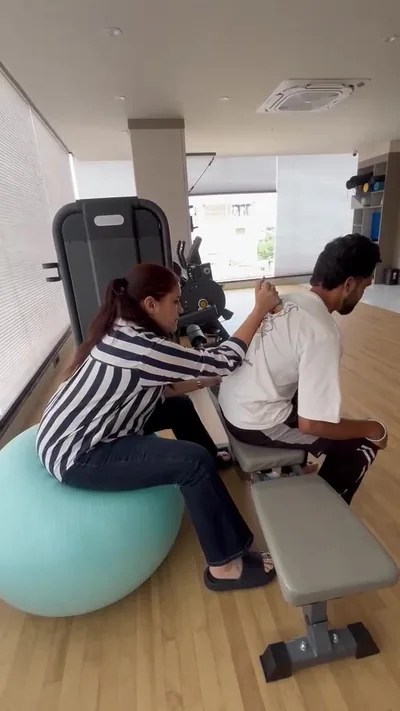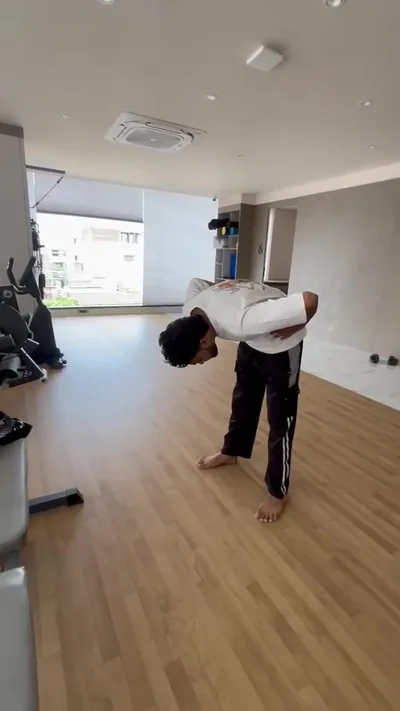
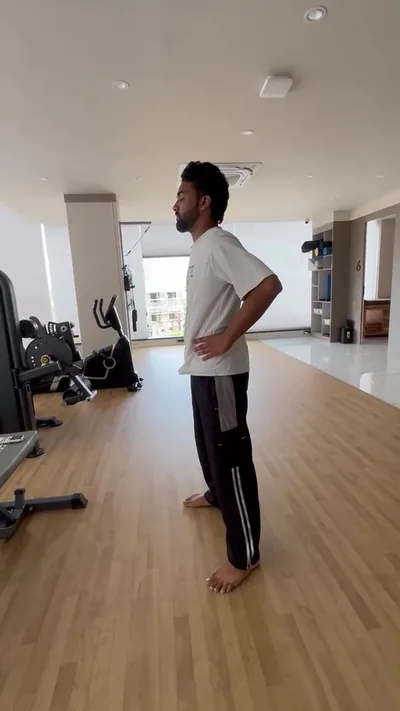
Is Side Bending Safe with L4 L5 Herniated Disc
An L4 L5 herniated disc happens when the disc between your fourth and fifth lumbar vertebrae bulges or ruptures. This presses on nearby nerves, causing pain…
Read article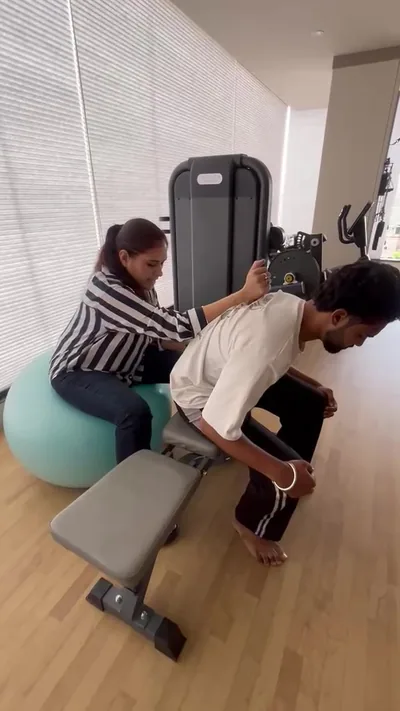

Long train journeys often bring sciatica pain for commuters in Jaipur. Sitting for hours on routes to Delhi or Mumbai presses on the sciatic nerve. This causes sharp pain down the leg, numbness, or tingling. Vibration from the train worsens it.
Sciatica happens when the sciatic nerve, running from the lower back to the foot, gets irritated. Prolonged sitting in tight seats triggers it. Jaipur travellers face this often on overnight trains. Simple seat stretches can ease the pain right away.
These stretches target tight muscles around the nerve. Do them discreetly without equipment. They help commuters manage sciatica on train journeys. For lasting relief, build daily habits and know when to see a physio.
Sciatica is nerve pain from the lower back through the buttock and leg. It stems from a pinched nerve, often due to disc issues or muscle tightness. In Jaipur, commuters on long routes like Delhi or Mumbai trains suffer most. Looking for a Physiotherapist Near Me? Our team in Vaishali Nagar, Jaipur can assess you in person.
Prolonged sitting in train seats causes back pain from train travel. Poor posture bends the spine unnaturally. Train vibrations jolt the lower back, irritating the sciatic nerve. Nerve pain sitting long builds up over hours.
Hard seats and limited leg room add pressure on the piriformis muscle. This muscle sits near the sciatic nerve. When tight, it squeezes the nerve. Jaipur locals taking weekly trains feel this after 6-8 hours.
Seat stretches offer quick sciatic relief stretches without standing. Do them in your place discreetly. Breathe deeply and hold each for 20-30 seconds. Repeat 2-3 times per side.
These sciatica seat stretches reduce nerve pressure. Do them every hour to manage sciatica on train. They improve blood flow and ease stiffness from prolonged sitting sciatica. More on Sciatica Treatment and how we assess it.
When the train stops or in the aisle, try leg exercises for sciatica. These target hamstrings, calves, and the nerve itself. Stand tall and use a seat back for balance if needed.
Time these during stops for best effect. Benefits include less nerve compression and better leg circulation. Train journey leg stretches cut pain by freeing stuck nerves.
Prevent sciatica after train travel with simple prep. Start before your trip. Jaipur commuters can adjust for local trains too.
For Jaipur tips, choose window seats for more leg space on local trains. After auto rides home, do a quick walk. Pre-trip posture prep like standing tall reduces risk. These habits fight nerve pain sitting long. You may also find Sciatica Stretches on Jaipur Bus Seats useful.
See a physio if pain lasts over a week, worsens with walking, or includes weakness. Numbness in the foot or bowel changes need urgent check. Do not ignore these.
Trivayu Physio Center in Vaishali Nagar and Vidyadhar Nagar treats sciatica well. The team includes Dr. Jyoti Choudhary, with 17+ years in orthopaedics and sports. Dr. Hritika Choudhary handles advanced electrotherapy. They offer Robotic Spinal Decompression Therapy to ease nerve pressure.
Manual Therapy helps release tight tissues. A proper assessment guides your plan. Jaipur physio sciatica care focuses on root causes, not just symptoms. Book for personalised advice.
Use lumbar support, stay hydrated, and shift positions often. Strengthen your core beforehand. Take aisle walks during stops.
Try seated piriformis, knee-to-chest, and figure-4 stretches. For legs, do hamstring, calf, and nerve glides when standing.
Yes, physios assess and treat causes like muscle tightness or disc issues. Techniques like decompression provide relief.
Prolonged poor posture and vibrations pinch the sciatic nerve. Tight piriformis or disc pressure from hard seats trigger it.
If pain persists, spreads, or comes with weakness. Get an in-person check for safe management.
Sciatica from trains eases with stretches and habits. Persistent pain needs pro help. Recovery varies by person.
Book an assessment at Trivayu Physio Center today. WhatsApp or call +91 90570 65065.
Physiotherapy is not the right first step for everything. Seek medical assessment promptly if any of the following apply to you:
If you lose control of your bladder or bowels, develop numbness around the groin, or have chest pain or breathlessness, treat it as an emergency and go to hospital.
Truly thankful to Dr. Jyoti Choudhary and the entire team of Trivayu Physio Centre for their genuine care, humble behaviour, and excellent treatment.
Mahesh Dhaka, Google review
This is one patient's own account, published with consent on our reviews page. It describes their experience, not a predicted outcome. Individual results vary.
An L4 L5 herniated disc happens when the disc between your fourth and fifth lumbar vertebrae bulges or ruptures. This presses on nearby nerves, causing pain…
Read articleShopkeepers in Jaipur often stand for long hours behind counters. This prolonged standing can trigger sciatica pain. Sciatica happens when the sciatic nerve gets irritated, often…
Read articleHerniated disc night pain disrupts sleep for many. The disc bulge presses on nerves, causing sharp back pain or sciatica that flares up at night. Simple…
Read articleMessage us on WhatsApp with your main concern and preferred time, and we'll confirm your first visit the same day.