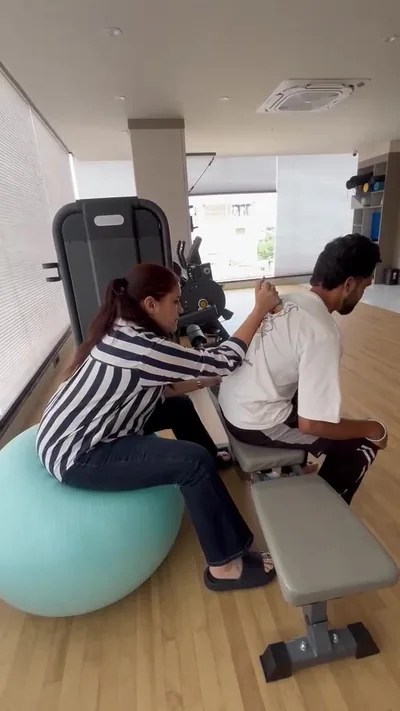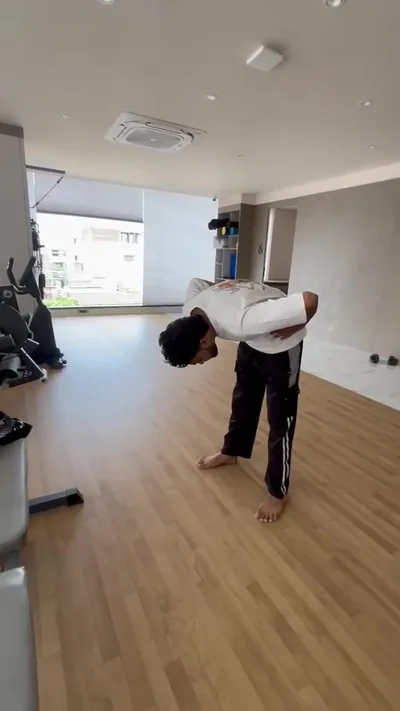
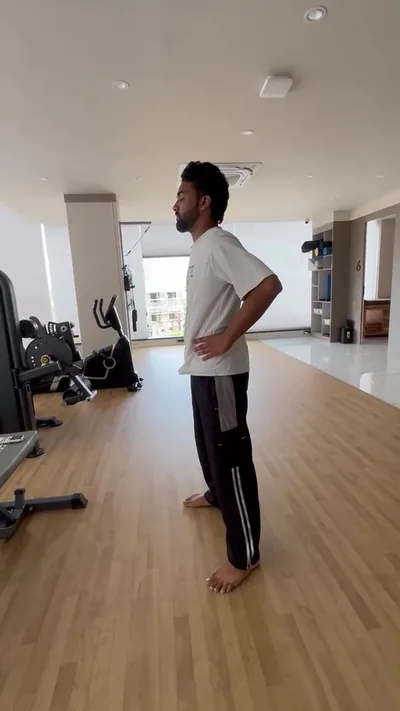
Is Side Bending Safe with L4 L5 Herniated Disc
An L4 L5 herniated disc happens when the disc between your fourth and fifth lumbar vertebrae bulges or ruptures. This presses on nearby nerves, causing pain…
Read article

Sciatica causes sharp pain from lower back down one leg. It comes from pressure on the sciatic nerve. For Jaipur bus commuters, long sits on hard seats make it worse. Bumpy roads jolt the spine and tighten muscles around the nerve.
Quick seated stretches can bring sciatica relief during bus rides. These fit bus seats. They loosen tight spots without standing. Do them gently to ease leg pain.
These stretches target hips and hamstrings. Move slowly. Stop if pain increases. They support physiotherapy but do not replace it. A physiotherapist checks posture and movement to guide exercises safely.
Sciatica starts when the sciatic nerve gets irritated. This nerve runs from lower back through hips down each leg. Causes include tight piriformis muscle or disc issues pressing the nerve.
Jaipur bus rides add to the problem. Hard seats force poor posture. Bumps shake the spine. Prolonged sitting shortens hamstrings and hip muscles. Commuters face flares from hours without movement. Looking for a Physiotherapy Clinic Near Me? Our team in Vaishali Nagar, Jaipur can assess you in person.
Lower back pain builds tension. Quick stretches improve blood flow and reduce nerve pinch. Physiotherapists note jolts compress spinal joints, increasing inflammation around the nerve root.
Try these on your bus seat. Sit upright. Hold the bus rail. Breathe deeply. Do each for 20-30 seconds per side. Repeat 2-3 times if space allows. A physiotherapist watches form to keep spine neutral.
Cross right ankle over left knee. Keep back straight. Press right knee down gently. Feel stretch in right hip. Switch sides. This targets the muscle that squeezes the sciatic nerve. Lean forward from hips if comfortable. Manual Therapy isolates the piriformis without straining the back.
Sit with feet flat. Cross right ankle on left thigh above knee. Lean forward from hips. Keep back straight. Hold without forcing. Switch legs. This opens hips. Keep supporting foot flat. Use rail if bus sways. It releases gluteal muscles contributing to nerve irritation. More on Sciatica Treatment and how we assess it.
Extend right leg straight on seat if possible. Flex foot. Hinge forward at hips. Keep knee soft. Switch sides. Avoid rounding back. Point and flex toes. Tight hamstrings pull on pelvis, worsening sciatica.
Hug right knee to chest with both hands. Keep left foot flat. Pull gently until pull in lower back and hip. Switch knees. This releases tension. Rock side to side to mobilise sacroiliac joint. Breathe out to relax psoas muscle.
Lift right foot slightly. Rotate ankle clockwise 10 times, then anti-clockwise. Switch feet. This boosts leg circulation. Add foot pumps: point toes down then up. It counters blood pooling in legs. You may also find Sciatica Pain from Jaipur Bus Seats: Posture Fixes useful.
Precaution: Stop if sharp pain, dizziness or numbness. Start with shorter holds if new. Hydrate before commute.
Do stretches after 15-20 minutes of sitting. Repeat every 30 minutes if long commute. Start with ankle circles when crowded. Save piriformis for emptier seats.
Breathe deeply: inhale to prepare, exhale into stretch. Sit tall with shoulders back. Avoid slouching. Shift weight side to side.
Place folded jacket behind lower back for support. At stops, stand and bend forward gently, hands on knees.
Physiotherapists adjust these based on pain triggers like hip rotation or bending.
Extend to home or office. Before bus, do standing hamstring stretch: foot back on step, heel down, lean forward. At work, do figure-4 hourly.
Add seated spinal twists: left hand on right knee, twist right, hold 15 seconds, switch. Do heel slides at desk: slide heel back and forth, 10 reps per leg.
If crowded, do isometrics: press knee into seat, hold 5 seconds, repeat 10 times.
Physiotherapists assess gait and hip strength. Orthopaedic Rehabilitation rebuilds stability. Electrotherapy aids pain relief.
Stretches help mild sciatica. Seek help if pain lasts weeks, spreads or weakens leg. Numbness, tingling or bowel changes need urgent check. Book in-person assessment.
At Trivayu Physio Center in Vaishali Nagar, Dr. Jyoti Choudhary handles sciatica. She has 17+ years in orthopaedics and serves Rajasthan Women’s Cricket Team. Dr. Hritika Choudhary offers advanced care. They treat at Vidyadhar Nagar, Rangoli Gardens. Home visits and online consultations available. Call +91 90570 65065 for tailored physiotherapy.
Yes, these suit bus seats. Hold rails. Avoid turns or crowds. Build up gradually.
Piriformis and figure-4 target hip muscles pressing nerve. Try all. Hamstring if pain to calf.
Every 20-30 minutes. Hold 20-30 seconds per side. Short sessions often.
If pain persists, worsens or adds weakness. Early assessment prevents chronic issues.
Yes, if gentle. Start slow. Stop for sharp pain. Consult physio if new or over 50.
Mild discomfort normal. Sharp pain means stop. Reduce time or range. Check technique with physio.
Warm pack on back before stretches. Avoid ice on bumpy rides. Use at home.
These stretches offer quick relief on bus commutes. Pair with posture. Recovery varies. Professional assessment ensures safe progress.
Book at Trivayu Physio Center today. WhatsApp or call +91 90570 65065.
Physiotherapy is not the right first step for everything. Seek medical assessment promptly if any of the following apply to you:
If you lose control of your bladder or bowels, develop numbness around the groin, or have chest pain or breathlessness, treat it as an emergency and go to hospital.
Truly thankful to Dr. Jyoti Choudhary and the entire team of Trivayu Physio Centre for their genuine care, humble behaviour, and excellent treatment.
Mahesh Dhaka, Google review
This is one patient's own account, published with consent on our reviews page. It describes their experience, not a predicted outcome. Individual results vary.
An L4 L5 herniated disc happens when the disc between your fourth and fifth lumbar vertebrae bulges or ruptures. This presses on nearby nerves, causing pain…
Read articleShopkeepers in Jaipur often stand for long hours behind counters. This prolonged standing can trigger sciatica pain. Sciatica happens when the sciatic nerve gets irritated, often…
Read articleHerniated disc night pain disrupts sleep for many. The disc bulge presses on nerves, causing sharp back pain or sciatica that flares up at night. Simple…
Read articleMessage us on WhatsApp with your main concern and preferred time, and we'll confirm your first visit the same day.