Is Side Bending Safe with L4 L5 Herniated Disc
An L4 L5 herniated disc happens when the disc between your fourth and fifth lumbar vertebrae bulges or ruptures. This presses on nearby nerves, causing pain…
Read article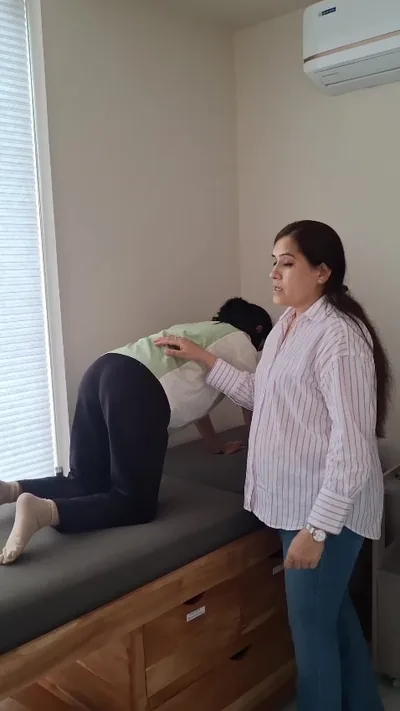

A slipped disc happens when the soft centre of a spinal disc pushes through its tough outer layer. This presses on nerves, causing back or leg pain. At L5-S1, the lowest lumbar level, it is common from heavy loads or sudden moves.
Twisting worsens it if uncontrolled. But guided twists build mobility safely. For pain relief, focus on moves that ease nerve pressure and strengthen muscles. These unload the disc and calm irritated nerves around L5-S1.
Get a proper check first. At Trivayu Physio Center in Vaishali Nagar, Jaipur, our team assesses your case before home exercises. This ensures safety. A physio checks posture, motion range, and nerve signs like reflexes or sensation loss.
A slipped disc most often affects the lower back. L5-S1 bears body weight and links lumbar spine to sacrum. It takes stress from sitting, lifting, or turning with loads.
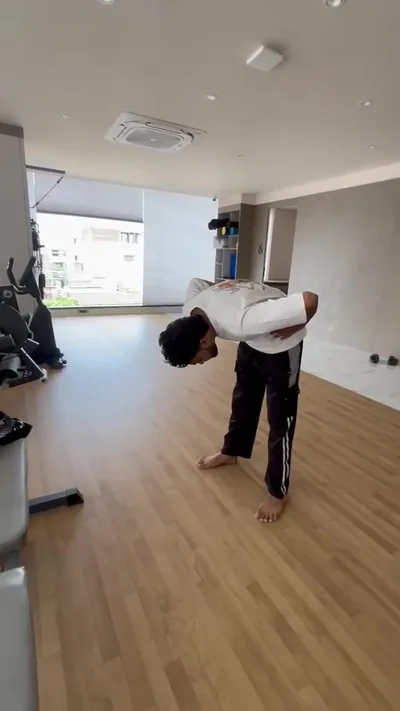
Uncontrolled twisting aggravates it. Sharp turns or bends load the disc unevenly, raising pressure on the bulge. This causes more pain or leg numbness, like sciatica.
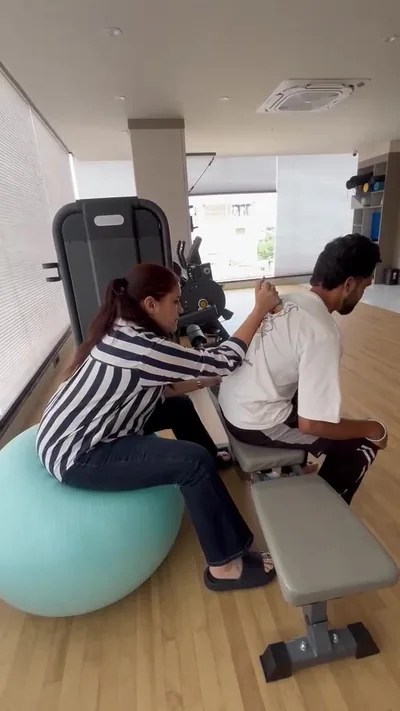
Safe rotation keeps the spine stable. Slow twists avoid strain. Physios test neutral spine and hip-shoulder movement. They watch if your pelvis stays level during a turn. Self-trial risks injury as you may not spot poor form. Looking for a Rehabilitation Centre Near Me? Our team in Vaishali Nagar, Jaipur can assess you in person.
Controlled rotation restores mobility and eases stiff muscles. This improves blood flow and reduces muscle guards around the disc. Tight muscles from pain pull the spine crooked, adding load to L5-S1. Gentle twists lengthen them without force.
It uses core support, unlike harmful jerks. Physios cue belly bracing before turns: draw navel to spine without holding breath. Strong core unloads L5-S1 by sharing the twist through hips and abs.
Manual Therapy loosens tight back and glutes for home exercises. Physios teach hip hinging over waist twisting, using mirrors for form. Hip hinging means bending at hips while keeping back straight, so twists come from ribcage above pelvis.
Orthopaedic Rehabilitation follows to rebuild strength. A physio might start with nerve glides: seated slides of leg to free sciatic nerve before adding rotation.
Start after physio clearance, on a firm surface like a yoga mat. Breathe out on twist, in on return. Do 5-10 reps per side daily. Stop if pain grows beyond mild discomfort. More on Ankle Pain Treatment and how we assess it.
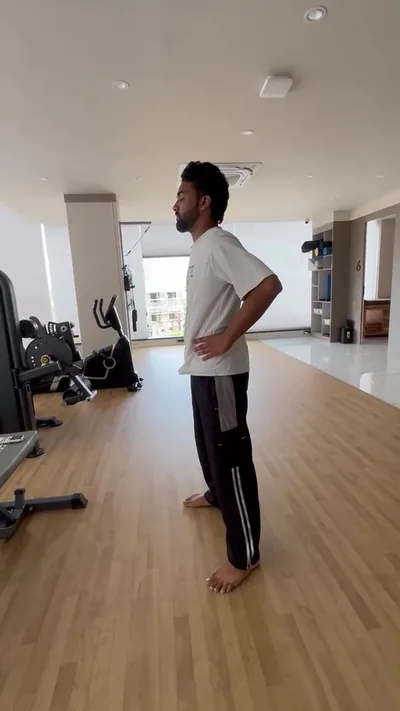
Physios grade by stability, like 10-second plank hold on knees. Pair with posture resets: stand against wall, tuck chin, pull shoulders down hourly. For L5-S1 pain relief, these exercises target core, glutes, and obliques to stabilise the joint.
Here are six exercises, progressing from lying to standing:
Do in sequence for 15-20 minutes, twice daily if tolerated. Track pain in a notebook: note level before/after, location, and triggers. Add walking breaks every 30 minutes to keep discs hydrated.
Physios design L5-S1 disc exercises around your pain pattern. For bulge at this level, they add bridges: lie on back, lift hips with feet flat, squeeze glutes, hold 5 seconds. This strengthens hamstrings and glutes to support rotation.
Safe spinal rotation follows stability work. Start supine, progress to seated, then standing. A physio demonstrates mirror checks: watch if shoulders turn more than hips. Home tip: place towel under knees in supine twist for control.
For disc bulge twisting risks, avoid end-range turns. Physios measure your safe range with inclinometer, then match exercises to it. Pair twists with nerve flossing: sit, slump forward slightly, straighten leg, flex foot—gentle pump 10 times to ease sciatica before rotating. You may also find L5 S1 Disc Twisting Pain in Kitchen Chopping useful.
Back pain twisting moves improve with cues like “lead with eyes.” Turn head first, then ribs, hips last. This distributes motion. Weekly physio reviews form via video if needed.
Progress reps or holds if pain-free for a week. Physios may add resistance bands around knees in quadruped for glute activation. Track symptoms daily. See a physio for checks every 1-2 weeks. Follow-ups retest range, strength, and walking posture.
At Trivayu Physio Center, Vaishali Nagar, Jaipur, care is tailored. Dr. Jyoti Choudhary, 17+ years in sports and orthopaedics, leads assessments. Physiotherapist to Rajasthan Senior Women’s Cricket Team. She spots twisting flaws from athletic cases.
Robotic Spinal Decompression Therapy reduces disc pressure before twisting exercises. It creates negative pressure to draw bulge inward. Electrotherapy with Dr. Hritika Choudhary settles pain for rehab. Orthopaedic Rehabilitation guides safe progression.
Home visits cover if travel hurts. Online consultations review videos of your twists. Also at Vidyadhar Nagar, Rangoli Gardens. Mon-Sat 8am-8pm, Sun 10am-1pm.
Controlled twisting can be safe after assessment. Get physio advice for L5-S1 to match your bulge size and nerve involvement.
Seated marches, supine knee drops, quadruped threads. Brace core first. Physio customises based on your straight-leg raise test.
Yes, with guidance. Start simple like prone prep or knee drops. Add one new move weekly.
Avoid if pain increases beyond 3/10, numbness spreads to foot, or during flare-ups. Seek assessment promptly.
Assess posture, teach brace and hip-led turns. Decompression eases limits first. Retrain habits like golf swings or kitchen reaches.
Safe twisting builds on professional care with posture and load management. Recovery varies by disc state and habits. Prioritise in-person evaluation for custom plan.
Book at Trivayu Physio Center today. WhatsApp or call +91 90570 65065.
Physiotherapy is not the right first step for everything. Seek medical assessment promptly if any of the following apply to you:
If you lose control of your bladder or bowels, develop numbness around the groin, or have chest pain or breathlessness, treat it as an emergency and go to hospital.
Truly thankful to Dr. Jyoti Choudhary and the entire team of Trivayu Physio Centre for their genuine care, humble behaviour, and excellent treatment.
Mahesh Dhaka, Google review
This is one patient's own account, published with consent on our reviews page. It describes their experience, not a predicted outcome. Individual results vary.
An L4 L5 herniated disc happens when the disc between your fourth and fifth lumbar vertebrae bulges or ruptures. This presses on nearby nerves, causing pain…
Read articleShopkeepers in Jaipur often stand for long hours behind counters. This prolonged standing can trigger sciatica pain. Sciatica happens when the sciatic nerve gets irritated, often…
Read articleHerniated disc night pain disrupts sleep for many. The disc bulge presses on nerves, causing sharp back pain or sciatica that flares up at night. Simple…
Read articleMessage us on WhatsApp with your main concern and preferred time, and we'll confirm your first visit the same day.