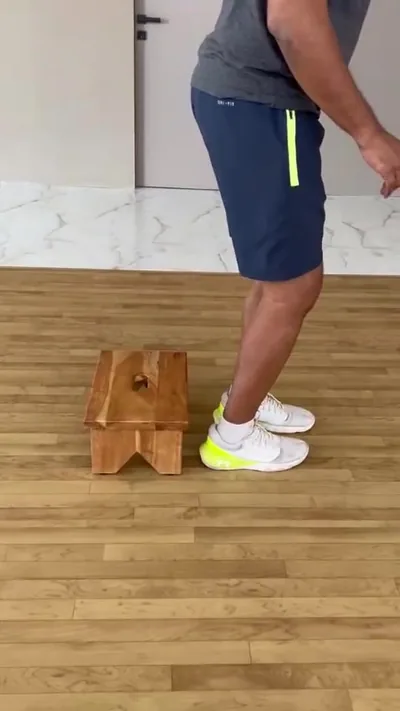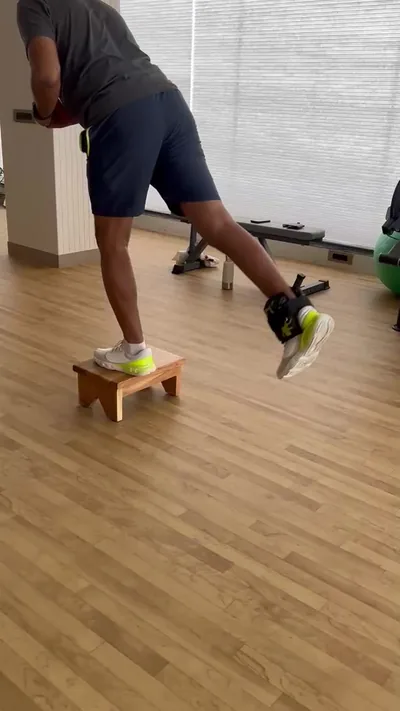
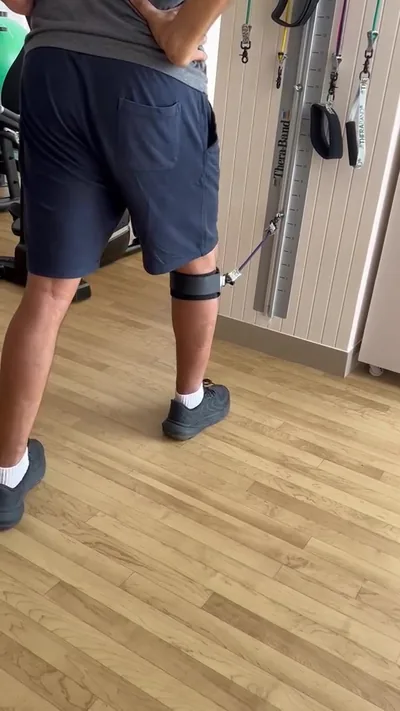
Backward Walking in ACL Rehab Phase 2
Backward walking helps athletes recover from ACL injuries. It builds knee stability in Phase 2 of rehab. This exercise targets quadriceps and improves control after surgery…
Read article

After knee surgery, icing helps control swelling and pain. But timing matters to avoid skin damage. This guide covers safe post-op knee ice duration for home use. Follow these steps to protect your skin while aiding recovery.
Proper icing follows the RICE protocol in knee rehab: Rest, Ice, Compression, Elevation. Used right, it eases discomfort. Used wrong, it risks frostbite or nerve issues. Always check your skin during sessions. RICE starts right after surgery. Rest means no weight on the knee. Ice follows next. Compression uses a light bandage. Elevation keeps the leg raised. Each part works together to limit swelling.
Trivayu Physio Center in Vaishali Nagar and Vidyadhar Nagar offers post-op rehab. Our team guides safe cryotherapy after knee surgery. Book an assessment for personalised advice. Cryotherapy means controlled cold application. We teach patients how to use it at home safely.
Icing reduces blood flow to the area. This cuts swelling and numbs pain after knee surgery. Short sessions work best. Cold makes blood vessels narrow. This limits fluid buildup in tissues. Pain signals slow down too.
Prolonged icing causes risks. Cold harms skin cells over time. It can lead to frostbite, redness or blisters. Skin feels numb first, masking damage. Nerve injury may follow. Frostbite happens when ice freezes skin tissue. Early signs include pale skin or a burning feel.
Safe ice time prevents these issues. Time limits let cold reach deep tissues without surface harm. Always lift the pack to check skin colour and feel. Healthy skin stays pink and warm. If it looks white or feels hard, stop at once.
Limit each icing to 15-20 minutes. This is the standard guideline. Start with shorter times if your skin feels very cold. Build up slowly.
Frequency matters too. Ice 3-4 times a day in the first week. Space sessions by at least 1-2 hours. This allows skin to warm up fully. In week two, drop to 2-3 times if swelling eases. Always match to your body’s response. Looking for a Physiotherapy Near Me? Our team in Vaishali Nagar, Jaipur can assess you in person.
Adjust based on how your knee responds. Stop if pain increases or skin changes. Track your sessions in a notebook. Note time, feel and skin look each day.
Proper technique is simple. Wrap the ice pack in a thin cloth or towel. Place directly on the knee. Never put ice straight on skin. Direct contact drops skin temperature too fast. A barrier slows the cold evenly.
Monitor skin every 5 minutes. Look for white patches, numbness or stinging. These signal time to stop. Numbness alone does not mean harm. But pair it with colour change, and end the session.
Common mistakes include icing over 20 minutes or without a barrier. These raise risks. Use gel packs for even cold spread. They mould to the knee shape better than loose ice. Avoid frozen peas. They thaw unevenly and leak water.
Skin frostbite prevention starts with prep. Clean the knee gently before icing. Pat dry. Use a fresh towel each time. If you have poor circulation, like in diabetes, ice even shorter. Consult your doctor first.
Cryotherapy goes beyond home ice packs. At clinic, we use cooled wraps or machines. These keep steady temperature without risk of over-freeze. Sessions last 15 minutes, matched to your needs. More on Knee Pain Treatment and how we assess it.
A physiotherapist watches your response closely. We check skin temp with a probe if needed. Combine with gentle movement to boost blood flow after. This speeds comfort without swelling rebound.
Home cryotherapy builds on this. Use what you learn in clinic. Start icing soon after surgery, as your surgeon allows. First 48 hours matter most for swelling control.
Ice risks include frostbite and infection. Frostbite shows as pale, hard skin. It may blister later. Prevent by never icing numb areas longer than 10 minutes. Always use a barrier.
Infection risk rises if blisters break. Keep the area clean. Cover with sterile gauze if needed. Stop icing and call your doctor for pus, heat or fever.
Nerve damage feels like tingling that lasts after warming. Rare, but stop icing if it happens. Switch to warm packs only after week two, on physio advice. You may also find How Long to Ice Knee After Surgery useful.
RICE forms the base of early recovery. Rest protects the surgical site. Limit walking to what your doctor permits. Use crutches if told.
Ice as detailed above. Compression needs an elastic bandage. Wrap from foot to knee, snug but not tight. Check toes stay warm and pink. Loosen if they swell.
Elevation means leg higher than heart. Do this 3-4 times a day, 20 minutes each. Lie down with pillows under calf, not knee. Straight leg position works best.
After 3-5 days, add gentle exercises. Ankle pumps help circulation. A physio shows safe moves. Manual Therapy at clinic releases tight tissues safely.
Watch for warning signs during icing. Red, blistered or blue skin means stop and seek help. Increased swelling or fever signals infection. Calf pain or shortness of breath could mean clot – go to hospital now.
Physiotherapy supports knee recovery. At Trivayu Physio Center, we use Orthopaedic Rehabilitation and Electrotherapy alongside icing. Dr. Jyoti Choudhary, with 17+ years in sports orthopaedics, leads our post-op care. Home visits and online consultations available.
Visit us at Vaishali Nagar or Vidyadhar Nagar. We treat knee pain, sports injury and post-surgery rehab. An in-person assessment ensures safe progress. We check your icing technique and adjust RICE to your surgery type.
Ice for 15-20 minutes per session. Do this 3-4 times daily. Always use a cloth barrier. Shorten if skin reacts.
Too long risks frostbite. You may get blisters, numbness or tissue damage. Skin turns pale or hard. Stop early to avoid.
Every 2-3 hours in early days. Limit to 4-5 sessions per day. Rest periods prevent over-cooling. Taper as swelling drops.
Yes. A thin towel or cloth protects skin. It allows cold through while avoiding direct freeze. Double layer if skin thins.
Stop if skin changes colour, blisters form or pain worsens. Phase out after 1-2 weeks as swelling drops. Ask your physio for next steps.
Yes, if knee is elevated. Ice first, then elevate overnight. Check skin in morning. Avoid if numb sensation lingers.
Resume shorter sessions. Check compression and elevation. Book physio for assessment. Could need guided rehab.
Follow these guidelines for safe recovery. Icing aids healing when done right. Combine with guided exercises for best results. A physiotherapist tailors all to your case.
Book a knee assessment at Trivayu Physio Center today. Call +91 90570 65065 or WhatsApp via the link. Early check helps smooth rehab.
Physiotherapy is not the right first step for everything. Seek medical assessment promptly if any of the following apply to you:
If you lose control of your bladder or bowels, develop numbness around the groin, or have chest pain or breathlessness, treat it as an emergency and go to hospital.
Truly thankful to Dr. Jyoti Choudhary and the entire team of Trivayu Physio Centre for their genuine care, humble behaviour, and excellent treatment.
Mahesh Dhaka, Google review
This is one patient's own account, published with consent on our reviews page. It describes their experience, not a predicted outcome. Individual results vary.
Backward walking helps athletes recover from ACL injuries. It builds knee stability in Phase 2 of rehab. This exercise targets quadriceps and improves control after surgery…
Read articleAfter ACL surgery, rebuilding knee strength takes time and care. ACL rehabilitation phases guide this process step by step. Phase 1 protects the graft and cuts…
Read articleAfter hip replacement surgery, dressing your lower body safely helps build independence. By week 6 of hip replacement recovery, many patients aim to dress without help.…
Read articleMessage us on WhatsApp with your main concern and preferred time, and we'll confirm your first visit the same day.