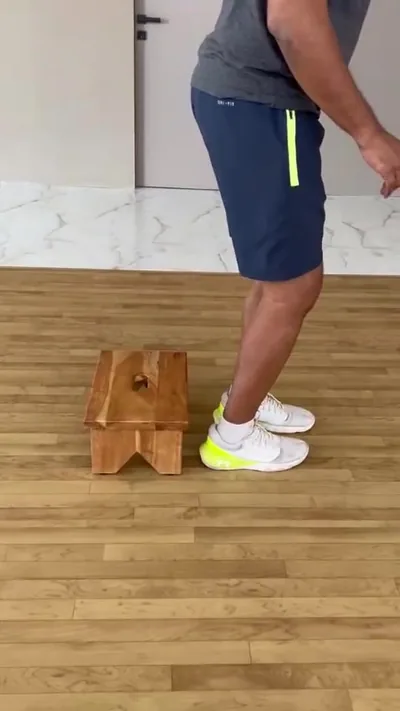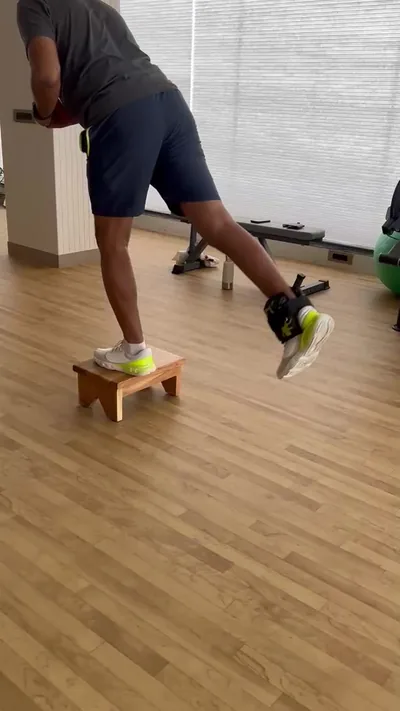
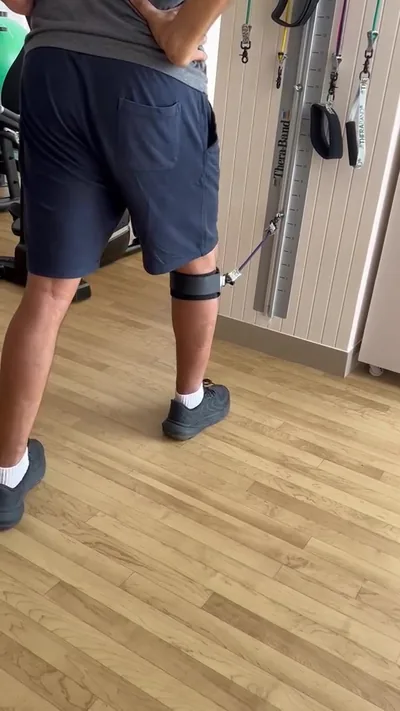
Backward Walking in ACL Rehab Phase 2
Backward walking helps athletes recover from ACL injuries. It builds knee stability in Phase 2 of rehab. This exercise targets quadriceps and improves control after surgery…
Read article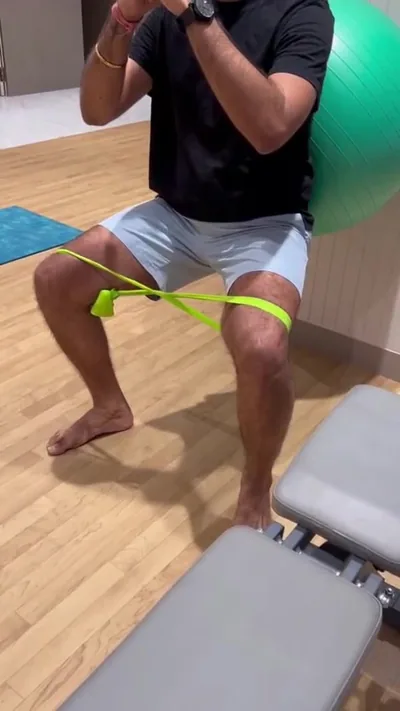

After knee surgery, icing controls swelling and eases pain. Swelling slows recovery if unmanaged. Right post knee surgery ice pack time aids healing. In Jaipur’s heat, this step gains importance as warmth boosts fluid buildup.
RICE protocol guides early recovery: Rest, Ice, Compression, Elevation. Ice reduces blood flow, limiting fluid buildup. Timing supports knee surgery swelling control. Physiotherapists explain each part during first visit.
Cases differ by surgery type and health. Seek physiotherapist advice for guidance at Trivayu Physio Center in Vaishali Nagar. They assess your knee’s response to ice before home use.
Ice therapy is cryotherapy post knee surgery. It numbs pain and curbs inflammation after operation. Cold narrows blood vessels, limiting fluid in knee joint. This lowers pressure on stitches and fresh tissues.
RICE starts with ice to reduce swelling from knee operation. In first 24 to 48 hours, this aids later movement. Physiotherapist shows how ice fits into daily routine, like after short walks. Looking for a Physiotherapy Near Me? Our team in Vaishali Nagar, Jaipur can assess you in person.
Physiotherapist checks knee, bandage, skin colour, bleeding. They teach safe home application to avoid delays. Expect them to press gently around knee, note tenderness, and demo on your leg.
Timing matters: unmanaged heat from swelling damages tissues. Follow surgeon’s plan. Stop if dizzy or knee throbs; call doctor. In clinic, they time your first session and watch for comfort.
Apply ice 15 to 20 minutes per session. This cools tissues without skin damage. Knee feels cool, not frozen. Test by touching skin after; it should feel chilled but soft.
Repeat every 2 to 3 hours while awake. Limit to avoid over-chilling. ACL repair needs shorter sessions first as swelling builds fast. Start at 10 minutes if knee feels very tight.
Larger surgeries need care; smaller allow shorter times. Track response and adjust under guidance. Note swelling before and after; share with physio. Use a tape measure around knee at same spot daily. More on Knee Pain Treatment and how we assess it.
Sit or lie comfortably. Place pack on front and sides of knee. Avoid back unless advised. Shift position midway if lying to reach inner knee gently.
Physiotherapist guides based on your surgery. For arthroscopy, focus ice on front. For total knee replacement, cover more area with two packs if needed.
Wrap ice pack in thin cloth or towel. Never apply directly to skin. Position over bandage. Use fridge gel pack if cubes shift. Gel packs mould to knee shape better.
Elevate knee above heart level during icing. This pairs with compression. Raise on pillows while lying; thigh feels gentle pull. Keep foot flexed to aid circulation.
Physiotherapist demos in clinic, times it, checks hold. Use phone timer at home. They also show how to secure pack without tape that pulls skin. You may also find Ice Pack Frequency After Knee Surgery Week 3 useful.
Mistakes: icing too long or without barrier. Stop for numbness beyond knee, skin change, more pain. Warm white or mottled skin with dry cloth. Rub gently if safe.
Use gentle compression wrap if advised. Press light elastic bandage, not tight. Check toes pink and warm. Slide two fingers under bandage easily.
Choose contouring pack like frozen peas in cloth or commercial. Keep in freezer. Peas adjust to curves; refresh if they thaw mid-session.
For knee pain relief icing in Jaipur, store packs in insulated bag for clinic trips. Avoid heat exposure before use.
Follow full RICE to reduce swelling knee operation. Rest: no weight unless crutches given; limit bending per surgeon. Use walker if prescribed; keep knee straight on bed.
Ice cools. Compression squeezes fluid. Elevation drains it. Use all four. Combine by icing while elevated and wrapped.
Physiotherapist tailors RICE. For knee replacement, add walking aids. For meniscus repair, limit twists. They monitor ice effect on swelling by comparing leg sizes.
In Jaipur heat, ice more if outdoors. Drink water. Avoid salty foods. Stay in shade; use fan during sessions. Physiotherapist advises extra elevation on hot days.
Rest means partial weight only if cleared. Ice after any activity spike. Track steps with phone app; share at visits.
Reduce icing after 48 to 72 hours as swelling drops. Switch to heat only on physio advice; heat reopens vessels. Early heat risks more fluid.
Physiotherapist assesses: presses knee, measures girth. They guide to other therapies. Expect girth check above and below knee joint.
Post-Surgery & Joint Replacement Rehab helps. Manual Therapy improves movement. Orthopaedic Rehabilitation builds strength. Electrotherapy eases pain. Check-up spots issues early.
Next: gentle seated bends. Add weight slowly per feedback. Ice if swelling flares. Progress to standing shifts with support.
Physiotherapist plans phases: ice heavy first week, then mix with exercises. They test knee stability before advancing.
Problems rare if done right. Watch for cold allergy: hives, itch. Tell doctor if family history. Rare skin reaction needs patch test first.
If pain worsens, remove ice; may be pressure. For nerve blocks, check skin often as feeling returns. Feeling loss hides issues; touch toes hourly.
Physiotherapists demo on good leg, give handout with pictures. They cover bandage checks, toe wiggle tests.
Blisters signal too long or direct ice. Clean gently, cover, inform physio. Nerve tingles mean stop; warm area.
Visit Trivayu Physio Center, Vaishali Nagar for assessment. We check ice routine, fix errors. Bring your pack for live demo.
Dr. Jyoti Choudhary leads with sports and orthopaedic expertise. Plans icing per activity. Dr. Hritika Choudhary uses advanced electrotherapy with ice for pain.
We offer Home Visits and Online Consultation. Home Visits demo ice at bed. Online shows wraps via video. Book for plans.
Sessions include knee exams, ice tests, home plans. Track progress over weeks. First visit: full history, ice trial, custom sheet.
15-20 minutes per session, every 2-3 hours awake. Stop if too cold. Warm fully before next. Adjust if skin reddens.
Start soon after surgery, once doctor clears. Often first hour. Have pack ready in hospital bag.
Every 2-3 hours awake. 40-minute breaks. Night rest aids drain. Wake once if swelling high.
Yes, harms skin or nerves. Watch numbness, redness, blisters. Physio checks tolerance with skin tests.
When swelling eases, usually days. Physio at Trivayu Physio Center Vaishali Nagar confirms with tests. Girth under 2 cm difference signals shift.
No, keep 15-20 minutes. Higher aids drain after. Prop knee on 3 pillows aligned.
Yes. Tell physio doses for plan adjustment. Ice reduces need over time.
Restart short sessions. Note triggers like stairs; tell physio for exercise tweak.
Gel packs stay cold longer. Freeze overnight; wrap thick in humid air.
Icing aids early recovery in full rehab. See physiotherapist. Combine with rest, doctor visits. Track daily notes for appointments.
Book assessment at Trivayu Physio Center today. WhatsApp or call +91 90570 65065.
“`
*(Word count: 1,028)*
Physiotherapy is not the right first step for everything. Seek medical assessment promptly if any of the following apply to you:
If you lose control of your bladder or bowels, develop numbness around the groin, or have chest pain or breathlessness, treat it as an emergency and go to hospital.
Truly thankful to Dr. Jyoti Choudhary and the entire team of Trivayu Physio Centre for their genuine care, humble behaviour, and excellent treatment.
Mahesh Dhaka, Google review
This is one patient's own account, published with consent on our reviews page. It describes their experience, not a predicted outcome. Individual results vary.
Backward walking helps athletes recover from ACL injuries. It builds knee stability in Phase 2 of rehab. This exercise targets quadriceps and improves control after surgery…
Read articleAfter ACL surgery, rebuilding knee strength takes time and care. ACL rehabilitation phases guide this process step by step. Phase 1 protects the graft and cuts…
Read articleAfter hip replacement surgery, dressing your lower body safely helps build independence. By week 6 of hip replacement recovery, many patients aim to dress without help.…
Read articleMessage us on WhatsApp with your main concern and preferred time, and we'll confirm your first visit the same day.