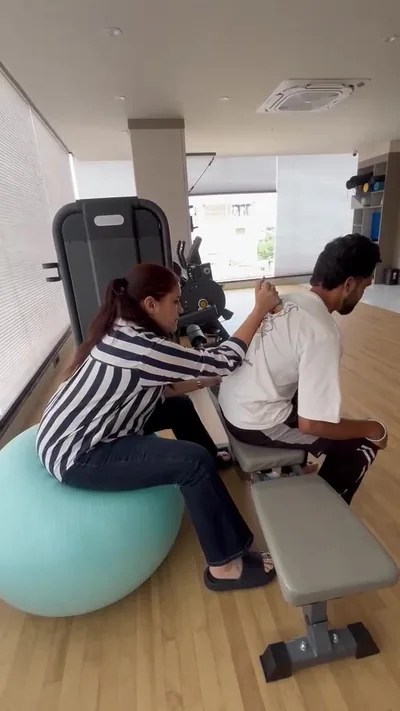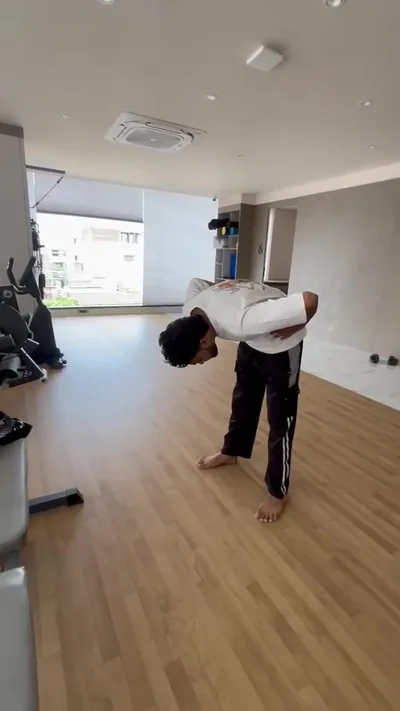
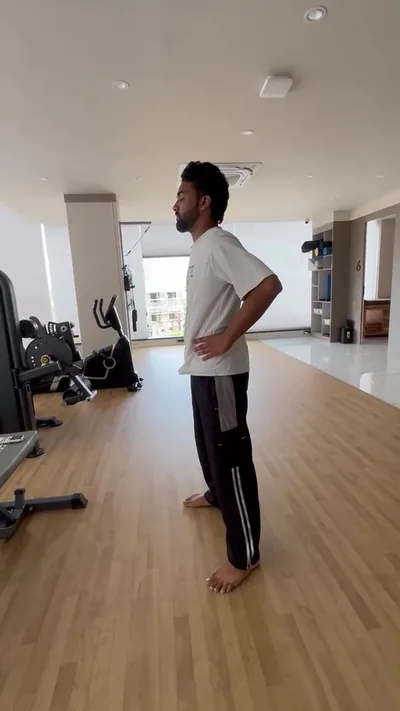
Is Side Bending Safe with L4 L5 Herniated Disc
An L4 L5 herniated disc happens when the disc between your fourth and fifth lumbar vertebrae bulges or ruptures. This presses on nearby nerves, causing pain…
Read article

A slipped disc happens when the soft centre of a spinal disc pushes through its tough outer layer. In the lower back, or lumbar area, this is common. It presses on nearby nerves, causing pain, numbness or weakness. Bending forward worsens it. The disc gets squeezed, and pressure builds on the weakened spot. This is called lumbar herniation when it bulges enough to irritate nerves.
Household chores often trigger this. Housewives bend repeatedly for cooking, cleaning or laundry. Chopping vegetables, mopping floors or lifting pots strains the lumbar spine. Twisting while bending adds risk. Over time, small movements build up harm. Lumbar herniation bending during these tasks can flare pain quickly.
Symptoms vary. Some feel sharp pain down the leg, like sciatica. Others have constant ache. Self-care helps mild cases, but see a physiotherapist for proper check. At Trivayu Physio Center in Vaishali Nagar, Jaipur, an in-person assessment finds the exact issue. Recovery depends on each person. A physiotherapist checks your movement patterns, strength and posture to guide safe habits.
Follow these rules to protect your back. First, keep your spine neutral. Imagine a straight line from head to tailbone. Avoid rounding your lower back. This reduces pressure on the disc.
Use hip hinging. Bend at the hips, not the waist. Push hips back as if closing a door with your bottom. Keep knees soft. This loads legs, not the back. Practice in front of a mirror to check form.
Never twist while bent. Face your task squarely. Lift with legs: squat down, hold close to body, rise using thigh muscles. Manual Therapy from a trained physiotherapist can ease tight muscles and support these habits. Looking for a Physiotherapy Near Me? Our team in Vaishali Nagar, Jaipur can assess you in person.
A physiotherapist would approach this by first testing your range. They watch how you bend, note pain points and teach hip hinging step by step. Expect hands-on adjustments to show the right feel.
Kitchen work involves much forward lean. Modify to stay safe. These changes cut slipped disc pain relief needs during daily cooking.
For chopping vegetables, raise the board. Place it on a stable box at waist height. Feet apart, knees bent slightly. Keep back straight, bend from hips. Use a high stool if needed. Rock the knife with shoulder movement, not by leaning forward.
Washing dishes: face the sink straight. Widen stance for balance. Bend knees, hinge at hips. Sink edge at elbow height helps. Avoid leaning over deep sinks. Stack dishes on a draining rack at waist level to reduce reaches.
If pain starts mid-task, stop and apply ice wrapped in cloth for 10 minutes. A physiotherapist might add stretches to loosen hips before chores.
Cleaning demands wide reaches and low picks. Adjust tools and posture. Back safe postures for chores protect disc while cleaning.
For sweeping: hold broom high, at chest level. Bend knees, hinge hips. Sweep in short strokes, step around. No forward lunge. Use a dustpan with long handle to avoid stooping for pickups.
Mopping: use mop with long handle. Stand tall, move from shoulders. For edges, squat fully or kneel on one knee. Keep back neutral. Wring mop at waist height using a bucket on a stool. More on Ankle Pain Treatment and how we assess it.
Props like trolleys help. Slide heavy items, don’t lift. Expect a physiotherapist to demonstrate these during assessment, adjusting for your height and strength.
Extend handles on brooms or mops. Place mats on floors to reduce slips. Keep floors dry. This prevents slips that force bad bends. Add non-slip shoes for grip. Store cleaners at eye level to skip low reaches.
For slipped disc pain relief at home, start gentle. Lie on firm surface with knees bent, feet flat. Pelvic tilts: tighten belly muscles to flatten lower back against floor. Hold 5 seconds, relax. Repeat 10 times, twice daily. This builds core control without strain.
Bridge exercise: from same position, lift hips slightly using bottom muscles. Keep back neutral, no arch. Hold 5 seconds, lower slowly. Do 8-10 times. Stop if pain increases.
Cat-camel stretch on hands and knees: arch back up like angry cat, then dip gently like camel. Move slowly, 5-8 times. These slip disc home exercises ease stiffness for safer bending.
A physiotherapist teaches these correctly, progressing based on your response. They check breathing and alignment to avoid mistakes. Orthopaedic Rehabilitation builds strength over sessions.
Plan chores wisely. Do bending tasks early when fresh. Alternate with standing breaks. Use a timer for 10-minute rests. Wear supportive shoes, not chappals, for stability. You may also find Safe Bending for Slipped Disc Chores at Home useful.
For vacuuming: push from legs, short pulls. Empty bag at waist height. Gardening pots: lift to table first, then carry. These lumbar herniation bending tips protect during routine work.
What to expect in physio: first visit includes posture check, movement tests and custom plan. Follow-up adds resistance for legs and core. Home visits teach chore-specific form.
Build good posture daily. Stand against wall: heels, bottom, shoulders, head touch. Hold 30 seconds, 5 times. Walk with shoulders back, chin tucked.
Watch warning signs. Stop if pain shoots to legs, numbness grows, or weakness sets in. Seek help fast. Do not ignore bowel or bladder changes—see a doctor immediately.
At Trivayu Physio Center, Vaishali Nagar or Vidyadhar Nagar, Jaipur, Electrotherapy can reduce pain. Dr. Jyoti Choudhary and team guide slipped disc household chores safely. Home visits available. They use real-time feedback during bending demos.
Hinge at hips, use legs to lower. Keep spine neutral, no twists. Face task directly. Break into steps. Practice pelvic tilts daily.
Yes, with changes. Use tools, props, good form. Rest often. Get assessed if pain lasts. Add knee bends for strength.
Neutral spine always. Hip hinge over waist bend. Legs power lifts. Widen base for balance. Breathe out on effort.
High broom grip, knee bend, hip hinge. Short sweeps, step around. No forward reach. Use dustpan extender.
Same rules: hip hinge, neutral back. Visit Trivayu Physio Center, Vaishali Nagar for hands-on checks and tips on safe bending slipped disc. Learn chore mods in person.
Safe habits ease back pain bending safe during slip disc daily tasks. Practice daily for less pain. Book an assessment at Trivayu Physio Center today. WhatsApp or call +91 90570 65065.
Physiotherapy is not the right first step for everything. Seek medical assessment promptly if any of the following apply to you:
If you lose control of your bladder or bowels, develop numbness around the groin, or have chest pain or breathlessness, treat it as an emergency and go to hospital.
Truly thankful to Dr. Jyoti Choudhary and the entire team of Trivayu Physio Centre for their genuine care, humble behaviour, and excellent treatment.
Mahesh Dhaka, Google review
This is one patient's own account, published with consent on our reviews page. It describes their experience, not a predicted outcome. Individual results vary.
An L4 L5 herniated disc happens when the disc between your fourth and fifth lumbar vertebrae bulges or ruptures. This presses on nearby nerves, causing pain…
Read articleShopkeepers in Jaipur often stand for long hours behind counters. This prolonged standing can trigger sciatica pain. Sciatica happens when the sciatic nerve gets irritated, often…
Read articleHerniated disc night pain disrupts sleep for many. The disc bulge presses on nerves, causing sharp back pain or sciatica that flares up at night. Simple…
Read articleMessage us on WhatsApp with your main concern and preferred time, and we'll confirm your first visit the same day.