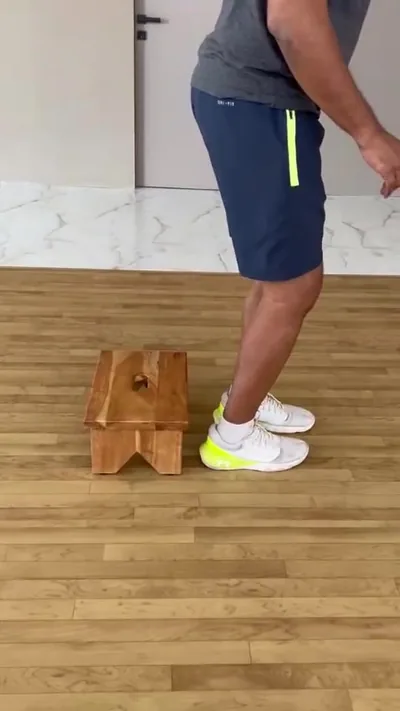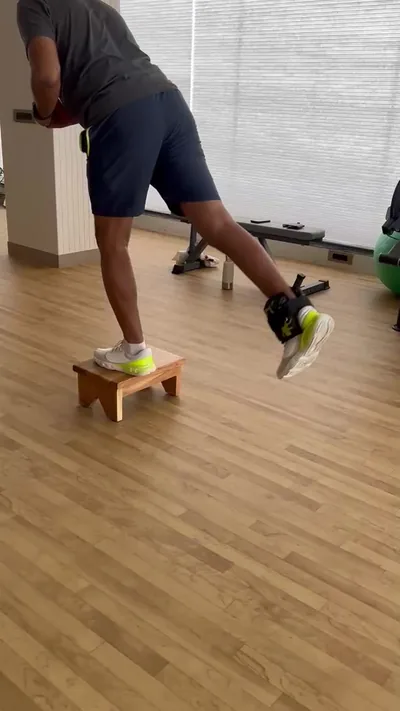
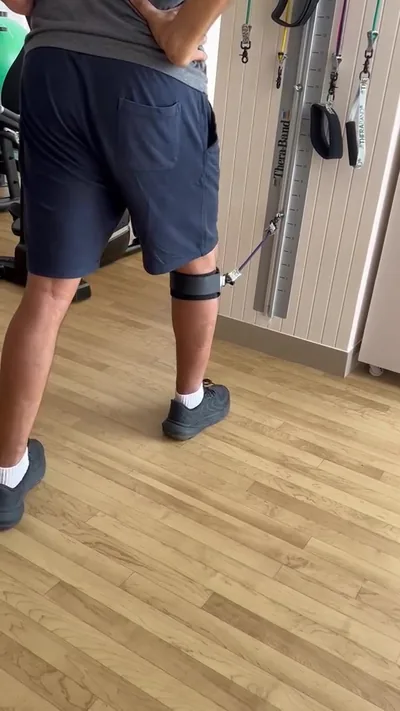
Backward Walking in ACL Rehab Phase 2
Backward walking helps athletes recover from ACL injuries. It builds knee stability in Phase 2 of rehab. This exercise targets quadriceps and improves control after surgery…
Read article

The short answer
Robotic spinal decompression uses a computer-guided machine that applies exact on-off cycles, sensing body feedback to adjust force in real time. It targets specific spinal segments, gently distracting vertebrae during the 'on' phase and relaxing in the 'off' phase to allow fluid and nutrients into the disc. This unloads the lumbar spine, reduces disc pressure, and widens the nerve root opening to ease sciatic irritation.
Sciatica is pain that starts in the lower back and travels down one leg. It often comes from a slip disc or spondylosis that presses on the sciatic nerve. This pressure causes sharp, burning or tingling pain along the nerve path.
Gently reducing pressure inside the disc can ease sciatic nerve irritation. Mechanical treatments aim to create space between vertebrae so the nerve root gets relief.
Ordinary traction uses a steady pulling force on the spine. The therapist or a simple machine applies constant tension for several minutes. This pull tries to stretch the lumbar spine and reduce disc pressure.
Because the force is constant, the body often tightens up to resist it. Accuracy is limited, so the same pull reaches the whole lower back instead of targeting one segment. Some patients feel increased discomfort during or after the session.
Robotic spinal decompression therapy at Trivayu Physio Center uses a computer-guided machine that applies exact on-off cycles. The system senses feedback from your body and adjusts force in real time. This creates targeted disc pressure reduction inside specific spinal segments.
During the “on” phase the machine gently distracts the vertebrae. In the “off” phase it relaxes, allowing fluid and nutrients to return to the disc. The result is lumbar spine unloading that can reduce pressure on a herniated disc and ease sciatic nerve irritation. Looking for a Physiotherapist in Jaipur? Our team in Vaishali Nagar, Jaipur can assess you in person.
Nerve root decompression occurs because the slight separation between the bones widens the opening where the nerve leaves the spine. This gives the irritated nerve more room and often reduces the burning or shooting pain that runs down the leg.
You arrive at our Vaishali Nagar or Vidyadhar Nagar clinic and speak with a senior physiotherapist. The therapist explains each step in simple language. You lie on a comfortable table while a soft harness is fitted around your hips and chest.
The machine then begins gentle cycles. Most people feel a mild stretching sensation in the lower back. The pull lasts for about 60 seconds and the release lasts for about 30 seconds. These cycles repeat for the set session duration.
A typical session lasts 20 to 30 minutes. The first session is often shorter so your body can get used to the feeling. Afterwards the therapist may add manual therapy, myofascial release or advanced electrotherapy when suitable.
At Trivayu Physio Center the senior physiotherapist first carries out a full movement examination. You will be asked to bend forward, backward and sideways while the therapist watches which motion increases the leg pain.
The plan usually includes 10 to 15 sessions spread over four to six weeks. Each week the physiotherapist reviews your pain diary and the way you walk. Read more about our Spine, Back & Neck Care.
For slip disc management the therapist also checks your core strength. Weak stomach and back muscles allow the vertebrae to press on the disc again once you stand up. Simple exercises that can be done at home are added gradually.
Adults with long-standing sciatica often notice improvement after a course of robotic spine decompression. People with persistent leg pain from a herniated disc, those who have already had back surgery, and older adults with spondylosis may respond well.
Geriatric patients who want to stay active without surgery sometimes choose this method. The gentle on-and-off cycles are usually comfortable even for people whose bones have become weaker with age. Suitability is decided only after proper in-person assessment. Our team, led by senior physiotherapists like Dr.
Begin with an individual assessment at Trivayu Physio Center in Vaishali Nagar or Vidyadhar Nagar. The physiotherapist will decide if robotic spinal decompression for sciatica is right for you and whether to combine it with clinical Pilates, posture correction or exercise therapy.
Home visits and online consultation are available when clinic visits are difficult. The physiotherapist can guide family members on how to help you with simple positioning at home between sessions. Remember that physiotherapy supports recovery but does not replace medical advice. You may also find Robotic Spinal Decompression for Slip Disc useful.
Robotic spinal decompression uses computer-controlled cycles that sense your body and target one spinal segment. Ordinary traction applies constant force across the whole lower back and cannot adjust in real time. This makes decompression more precise and often more comfortable.
Most patients feel only a gentle stretching sensation. The machine never forces a sudden pull. Staff monitor you closely and adjust settings so the treatment stays comfortable.
Adults with persistent sciatica from slip disc, spondylosis or post-surgery back pain are often suitable. A thorough assessment at our clinic decides whether this non-surgical sciatica treatment fits your condition.
Each session usually lasts between 20 and 30 minutes. The exact time is set according to your comfort and the treatment plan created after assessment. The first visit may include extra time for explanation and positioning so the total appointment is around 45 minutes.
Yes. By creating targeted disc pressure reduction it can ease pressure on the nerve root, helping both the disc problem and the resulting sciatic leg pain at the same time.
Robotic spinal decompression for sciatica offers a modern, non-surgical route for many people in Jaipur. The combination of computer-controlled spinal decompression, careful patient positioning on the table, real-time feedback, and advanced electrotherapy gives a complete approach to nerve root decompression and lumbar spine unloading. If leg pain or back stiffness is limiting your daily life, book an assessment with our team. Call +91 90570 65065 or message us on WhatsApp to start the conversation and learn what options suit you best.
Physiotherapy is not the right first step for everything. Seek medical assessment promptly if any of the following apply to you:
If you lose control of your bladder or bowels, develop numbness around the groin, or have chest pain or breathlessness, treat it as an emergency and go to hospital.
Backward walking helps athletes recover from ACL injuries. It builds knee stability in Phase 2 of rehab. This exercise targets quadriceps and improves control after surgery…
Read articleAfter ACL surgery, rebuilding knee strength takes time and care. ACL rehabilitation phases guide this process step by step. Phase 1 protects the graft and cuts…
Read articleAfter hip replacement surgery, dressing your lower body safely helps build independence. By week 6 of hip replacement recovery, many patients aim to dress without help.…
Read articleMessage us on WhatsApp with your main concern and preferred time, and we'll confirm your first visit the same day.