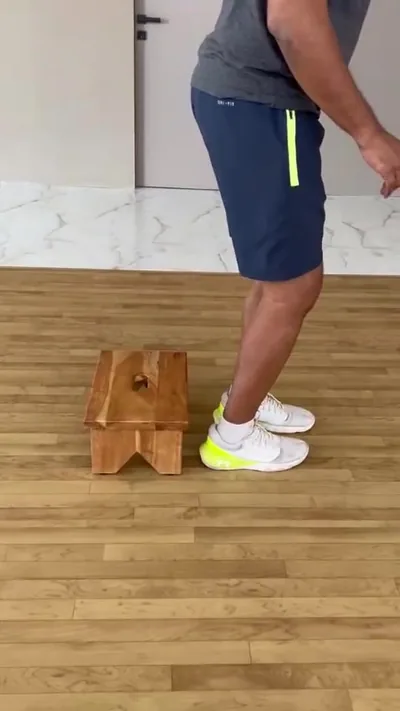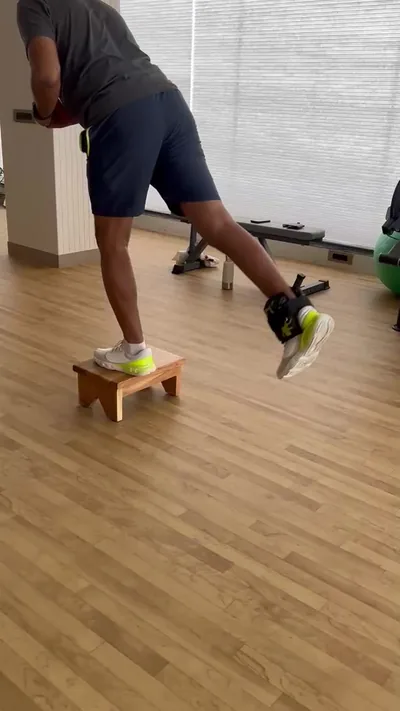
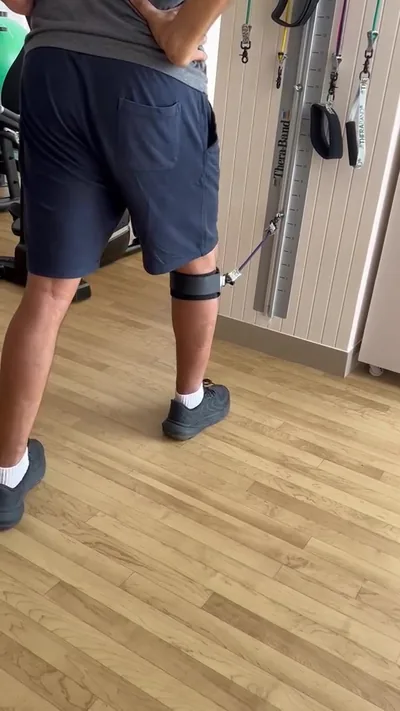
Backward Walking in ACL Rehab Phase 2
Backward walking helps athletes recover from ACL injuries. It builds knee stability in Phase 2 of rehab. This exercise targets quadriceps and improves control after surgery…
Read article

The short answer
A safe return to cycling after knee ligament surgery depends on healing, strength and stability. Stationary cycling with low resistance may begin in weeks 3-6 after physiotherapist clearance. Outdoor cycling starts months 3-6 on flat routes once strength allows. In-person assessment is essential.
Many active adults in Jaipur want to know when they can resume cycling after knee ligament surgery. A safe return depends on healing, strength and stability. Rushing back can cause swelling or re-injury. This guide outlines general timelines, signs of readiness and safe adjustments. Every recovery differs. An in-person assessment at a physiotherapy clinic is essential before restarting any sport.
ACL or MCL surgery recovery first protects the graft or repair. Physiotherapy guided return to sport rebuilds quad strength for cycling and knee stability on cycle. Never begin cycling based on time alone. A physiotherapist must clear each stage.
Healing after ACL or MCL repair occurs in phases. The first weeks reduce swelling and restore basic movement. Tissue repair continues for months. The new ligament needs time to gain strength. A rushed return to cycling after knee ligament surgery can stress healing tissue and cause increased pain or swelling after cycling.
Guided physiotherapy restores normal knee movement, builds supporting muscles and improves balance. Services such as sports injury rehab and exercise therapy support steady progress. Recovery varies by age, pre-surgery fitness and the exact injury.
Progress after knee ligament surgery recovery timeline differs for each patient. The following offers only a general framework. A physiotherapist must assess and advance each stage. Looking for a Physiotherapist in Jaipur? Our team in Vaishali Nagar, Jaipur can assess you in person.
These are broad milestones only. Some patients with MCL surgery return to bike earlier than those after ACL reconstruction. Others need more time. Clearance from a physiotherapist is mandatory before moving to the next phase.
Time alone does not decide readiness. Look for these observable signs, but always confirm them through proper in-person assessment.
If any swelling after cycling appears or pain returns, stop and return to earlier exercises. A physiotherapist can test these signs accurately and guide safe return.
Small changes reduce stress on the healing knee. Proper bike fit matters. Raise the saddle slightly to avoid deep knee bend at the bottom of the pedal stroke. Start with a higher saddle height and lower it only as comfort allows.
Choose low resistance and steady cadence around 70-80 revolutions per minute. Stationary cycling is usually introduced before outdoor cycling. Flat, smooth roads are safer than hills or rough terrain in the early months.
Physiotherapy techniques support this phase. Manual therapy can improve joint movement. Exercise therapy and clinical pilates strengthen the muscles around the knee. These services help achieve pain free cycling post surgery when used under guidance. Read more about our Post-Surgery & Joint Replacement Rehab.
At Trivayu Physio Center, sports injury and rehab programmes focus on building the strength and control needed for cycling after ACL surgery. Advanced electrotherapy helps manage pain and swelling. Clinical pilates improves core and leg stability. Manual therapy and myofascial release ease tight tissues that can develop after surgery.
Our team uses a physiotherapy guided return to sport approach. This includes gradual loading, balance work and sport-specific exercises. Home visits or online consultation allow continued guidance. The goal is steady progress toward safe, confident cycling without re-injury.
If you have a history of knee ligament surgery and want to return to cycling, book an assessment before starting. Our Vaishali Nagar clinic in Nemi Nagar and the Vidyadhar Nagar centre offer convenient access. The team includes senior sports and orthopaedic physiotherapists with experience in post-surgery care and sports rehab.
Light stationary cycling may begin between weeks 3 and 6 only after a physiotherapist confirms adequate healing and strength. Outdoor cycling usually starts later. Individual progress decides the exact timing. You may also find Knee Ligament Injury Home Management in Jaipur useful.
Key signs include full knee range, strong quadriceps, no swelling after activity, stable knee and good confidence. These must be checked in person by a physiotherapist.
Yes. Stationary cycling allows controlled resistance, steady cadence and no balance demands from traffic or uneven roads. It is the usual first choice in safe return to cycling post knee surgery.
Physiotherapy builds quad strength for cycling, improves knee stability on cycle and reduces swelling after cycling. Techniques such as manual therapy, exercise therapy and clinical pilates support gradual, safe progress.
Adjust saddle height to limit deep knee bend. Start with low resistance and moderate cadence. Prefer flat routes. A physiotherapist can advise specific bike fit changes based on your recovery stage.
Returning to cycling after knee ligament surgery takes patience and proper guidance. Following a clear plan under physiotherapy supervision helps protect your knee while you rebuild fitness. If you have had ACL or MCL repair and want to cycle again safely, visit Trivayu Physio Center. Our experienced team in Vaishali Nagar and Vidyadhar Nagar can assess your current stage and create a suitable programme. Book your assessment by calling +91 90570 65065 or send a message on WhatsApp.
Physiotherapy is not the right first step for everything. Seek medical assessment promptly if any of the following apply to you:
If you lose control of your bladder or bowels, develop numbness around the groin, or have chest pain or breathlessness, treat it as an emergency and go to hospital.
Backward walking helps athletes recover from ACL injuries. It builds knee stability in Phase 2 of rehab. This exercise targets quadriceps and improves control after surgery…
Read articleAfter ACL surgery, rebuilding knee strength takes time and care. ACL rehabilitation phases guide this process step by step. Phase 1 protects the graft and cuts…
Read articleAfter hip replacement surgery, dressing your lower body safely helps build independence. By week 6 of hip replacement recovery, many patients aim to dress without help.…
Read articleMessage us on WhatsApp with your main concern and preferred time, and we'll confirm your first visit the same day.