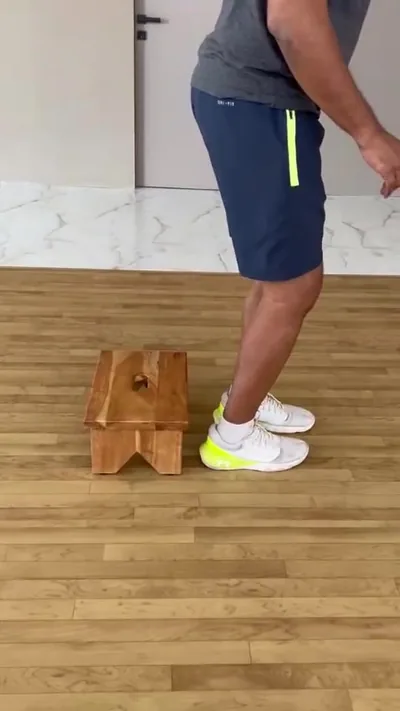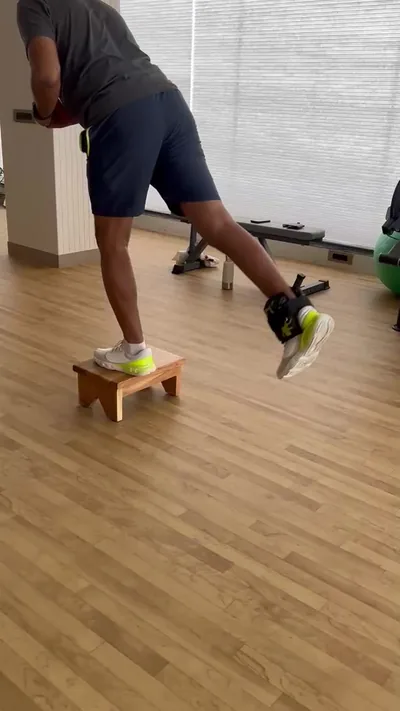
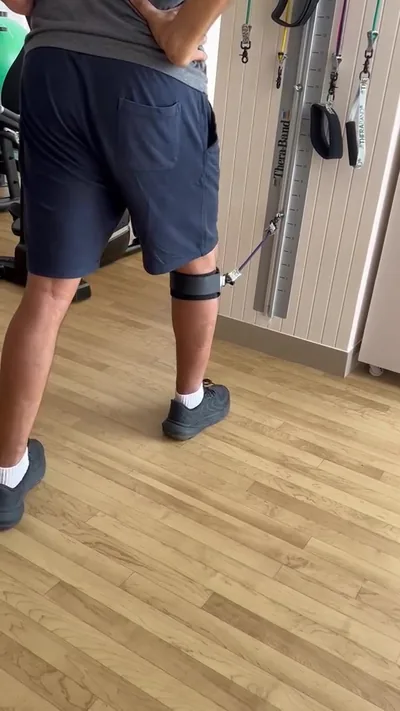
Backward Walking in ACL Rehab Phase 2
Backward walking helps athletes recover from ACL injuries. It builds knee stability in Phase 2 of rehab. This exercise targets quadriceps and improves control after surgery…
Read article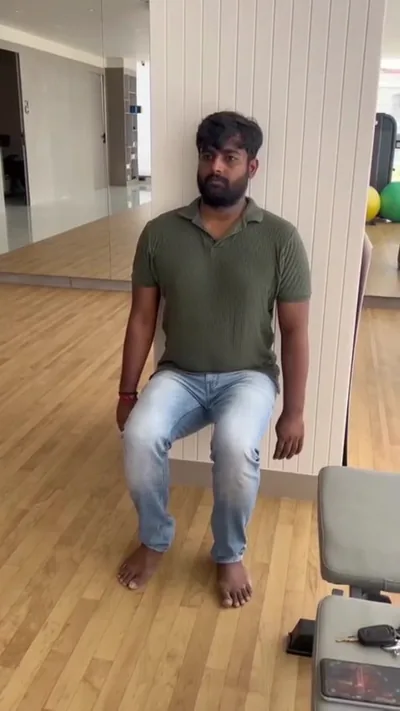

The short answer
Knee ligament injury home management in Jaipur uses the RICE method—Rest, Ice, Compression, Elevation—to control pain, swelling and protect the knee in the first 48-72 hours. It applies to sports injuries common among young adults and athletes playing cricket or football. This prepares the knee for physiotherapy at Trivayu Physio Center in Vaishali Nagar.
Knee ligament injuries often happen during sports or sudden twists. Many young adults and athletes in Jaipur face this while playing cricket, football or climbing stairs. Early home care can protect the knee from further damage and reduce pain and swelling before your first appointment.
Home management is not a replacement for professional care. It prepares the knee for treatment at Trivayu Physio Center in Vaishali Nagar. Safe steps in the first few days control symptoms and support recovery once physiotherapy begins.
Common types include ACL and MCL tears. These injuries occur in sports with sudden stops, jumps or side-to-side movements. In Jaipur many athletes report them after matches on uneven grounds or intense training.
Typical symptoms are sharp pain, swelling, instability and difficulty bearing weight. Some hear a pop at the time of injury. The first 48 to 72 hours decide how much extra damage occurs. Simple steps while waiting for physiotherapy at Trivayu Physio Center can limit swelling and protect the ligament.
The RICE method is the standard for knee ligament injury first aid. It stands for Rest, Ice, Compression and Elevation.
Avoid heat packs, alcohol rubs or massage in the first few days. These can increase bleeding and swelling. Follow RICE for at least two days or until you reach your physiotherapist.
Over-the-counter pain relief such as paracetamol can be used as directed on the packet. Never exceed the recommended dose. Combine this with natural steps to reduce knee swelling at home. Looking for a Physiotherapist Near Me? Our team in Vaishali Nagar, Jaipur can assess you in person.
Elevation is the most effective way to control swelling. Lie down with the leg propped on two pillows for 15 to 20 minutes several times a day. Drink plenty of water. Gentle ankle pumps while elevated help fluid movement.
Monitor swelling by noting if the knee looks less puffy each day. If swelling increases despite RICE or if pain becomes unbearable, contact a doctor immediately. These steps manage symptoms at home but do not replace medical diagnosis.
A knee brace for ligament injury can provide support while moving around the house. Choose a simple hinged or sleeve brace from a medical store. Wear it during short walks but remove it when resting.
Walk with a slight limp if needed but avoid limping for long as it strains other joints. Use a wall or chair for support when standing. Avoid weight bearing if the knee buckles or pain shoots sharply. Read more about our Sports Injury & Rehab.
Gentle range-of-motion activities can start after the first 48 hours if pain allows. Sit on a chair and slowly straighten and bend the knee within comfortable limits. Do not force movement. Stop immediately if pain increases.
Certain actions delay healing. Avoid ignoring pain, running, squatting or aggressive exercises before professional advice. Do not apply heat in the first three days. Skip massages or stretching that pulls the knee sideways.
Red-flag signs that mean urgent medical attention is needed include:
If any appear, visit a hospital before physiotherapy. Early assessment helps reduce complications.
Home management helps the physiotherapist by reducing initial swelling and protecting the knee. Note how the injury happened, when pain and swelling started, and which activities make it worse. Bring any scans or reports.
At Trivayu Physio Center in Vaishali Nagar, Jaipur, early professional care includes manual therapy, exercise therapy and advanced electrotherapy. Techniques such as Class IV High Power Laser Therapy or TECAR Therapy may be used. The team, led by Dr.
The RICE method is a first-aid approach that includes Rest, Ice, Compression and Elevation. It controls pain and swelling in the first days after injury and protects the knee before physiotherapy. You may also find Knee Taping for Patellar Tendon Pain in Cricket useful.
Rest the knee for the first 48 to 72 hours using the RICE steps. Book a physiotherapy appointment as soon as possible so professional care can begin once the acute phase settles.
Yes, a simple knee brace can provide support during partial weight bearing. Use it for short periods and remove it while resting. It is a temporary aid until your physiotherapist assesses the injury.
Stop home management and seek urgent medical help if you have severe swelling within minutes, cannot bear any weight, numbness in the foot, knee deformity or signs of infection such as fever.
After the first 48 hours, gentle knee straightening and bending while seated can help maintain range of motion. Perform only within pain-free limits and stop if discomfort increases. These are not a substitute for supervised exercise therapy.
Home care reduces swelling, protects the joint and prepares you for effective treatment. Do not delay professional help. Book an assessment at Trivayu Physio Center in Vaishali Nagar, Jaipur. Call +91 90570 65065 or message on WhatsApp to schedule your visit.
Physiotherapy is not the right first step for everything. Seek medical assessment promptly if any of the following apply to you:
If you lose control of your bladder or bowels, develop numbness around the groin, or have chest pain or breathlessness, treat it as an emergency and go to hospital.
I highly recommend Jyoti Ma'am and her team. I first visited her for a ligament injury in my knees, and with her expert treatment and therapies, I made a complete recovery.
Richa Tailang, Google review
This is one patient's own account, published with consent on our reviews page. It describes their experience, not a predicted outcome. Individual results vary.
Backward walking helps athletes recover from ACL injuries. It builds knee stability in Phase 2 of rehab. This exercise targets quadriceps and improves control after surgery…
Read articleAfter ACL surgery, rebuilding knee strength takes time and care. ACL rehabilitation phases guide this process step by step. Phase 1 protects the graft and cuts…
Read articleAfter hip replacement surgery, dressing your lower body safely helps build independence. By week 6 of hip replacement recovery, many patients aim to dress without help.…
Read articleMessage us on WhatsApp with your main concern and preferred time, and we'll confirm your first visit the same day.