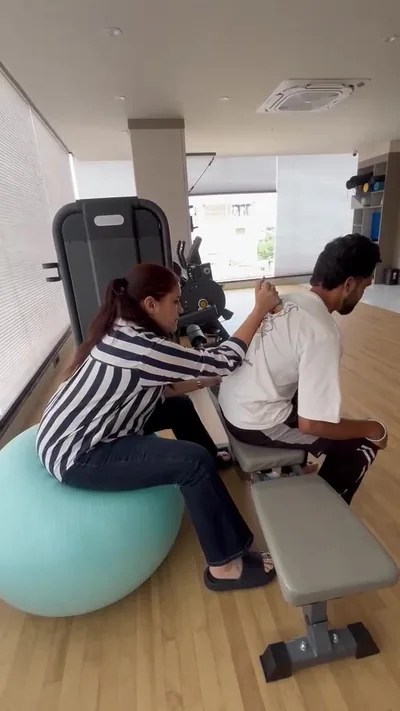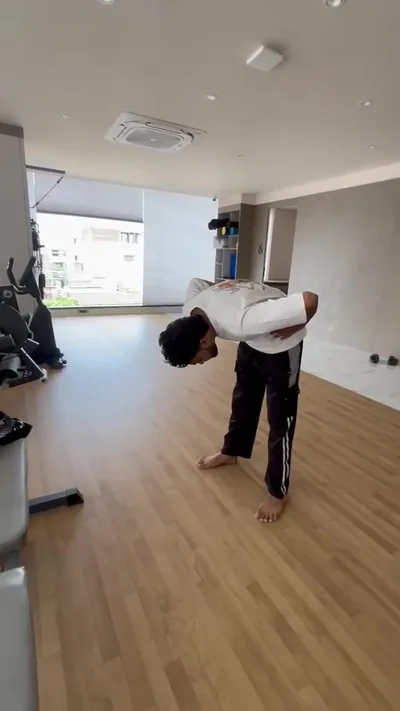
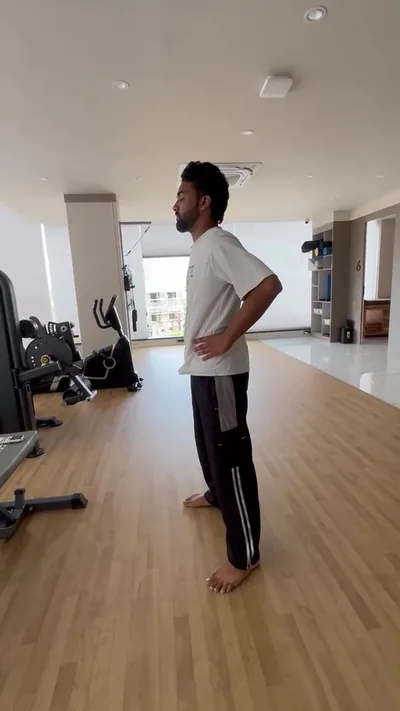
Is Side Bending Safe with L4 L5 Herniated Disc
An L4 L5 herniated disc happens when the disc between your fourth and fifth lumbar vertebrae bulges or ruptures. This presses on nearby nerves, causing pain…
Read article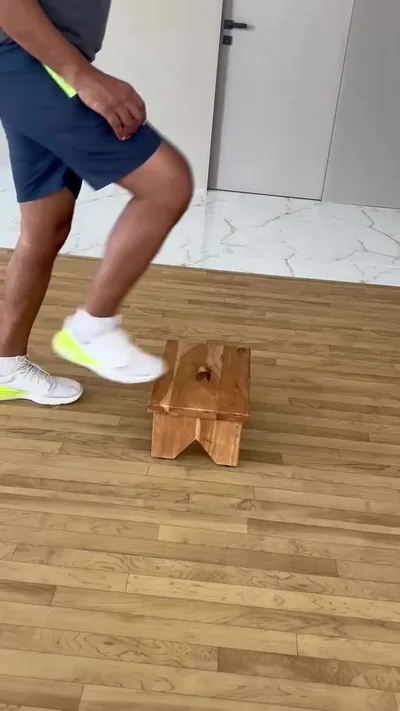

After ACL reconstruction surgery, knee buckling often occurs during phase 3 rehab. This phase focuses on building strength, balance and control for daily tasks and sports. Buckling happens when the knee gives way under load, often from poor nerve feedback or weak muscles around the joint. The ACL graft needs protection while it heals fully, which takes months.
Proprioception is key here. It is your body’s sense of joint position without looking. After surgery, this sense weakens due to swelling, pain and immobility. In post-ACL surgery rehab, poor proprioception lets the knee shift unexpectedly. This stresses the graft and risks re-injury. Phase 3 drills retrain these nerves safely.
Footballers face extra challenges. The sport demands fast pivots, sudden stops and jumps on uneven grass. Without sharp knee awareness, buckling happens mid-play. A physiotherapist assesses your progress before advancing. They check graft stability, muscle power and balance to guide safe return to football.
Begin these knee stability exercises only when your physio approves. They need no equipment and suit home use, 3-4 times a week. Start on flat, stable ground. Hold a chair for support if unsteady. Stop any drill if pain rises above mild soreness. Aim for control over speed.
A physiotherapist would first test your single-leg balance. They watch knee wobble, foot pressure and hip drop. Progress means less sway and longer holds.
These proprioception training knee drills retrain nerves damaged in surgery. Do them after a 5-minute warm-up like marching in place. Track improvements by noting hold times or reach distance in a notebook. Looking for a Physiotherapist Near Me? Our team in Vaishali Nagar, Jaipur can assess you in person.
Master basic drills first, then add sport moves under supervision. A physio ensures safe return to football by testing agility and power. They might use hop tests or video analysis of your form. This prevents overload on the ACL graft.
Warm up with 10 minutes of light cycling or walking. Focus on knee alignment—keep it over the foot, not caving inward. Wear trainers with good grip. Progress one drill at a time, 2-3 sessions weekly.
Next, try cutting drills on grass: sprint 5 metres, plant and cut 90 degrees. Use cones. Limit to 4-6 reps. Always cool down with stretches for quads, hamstrings and calves. Log any buckling to share with your physio.
ACL reconstruction recovery splits into phases. Phase 1 protects the graft with basic moves. Phase 2 builds strength. Phase 3, around 3-6 months post-op, targets control and sport prep. Full graft integration takes longer, often 9-12 months before high-level football. More on Knee Pain Treatment and how we assess it.
Your physio tailors the plan. They assess graft via ultrasound or tests if needed. Expect weekly check-ins in early phase 3. Home exercises fill gaps, but in-clinic work adds resistance bands or balance boards.
To protect the knee graft: Ice after drills if swollen. Elevate the leg. Use a compression sleeve for support. Build quad and hamstring strength equally—weakness on one side causes buckling. Nutrition aids healing: Eat protein-rich foods like dal, eggs and paneer, plus vitamin C from amla or oranges for tissue repair.
Common pitfalls include rushing progress or ignoring fatigue. Tired muscles let the knee buckle. Rest days matter. If buckling persists, it may signal poor graft take or other issues like meniscus damage—needs in-person scan. You may also find ACL Graft Knee Giving Way in Phase 2 useful.
A physio might use Manual Therapy to loosen tight knee tissues. They apply hands-on pressure to improve joint glide and reduce stiffness. This helps before proprioception drills.
Electrotherapy can calm swelling or boost muscle activation. Tools like TENS send mild currents to ease pain, letting you exercise better. Used sparingly in phase 3 for tough days.
Trivayu Physio Center offers Orthopaedic Rehabilitation for ACL cases. It combines exercises, advice and monitoring for full recovery.
See a physio if buckling worsens, swelling lasts over 48 hours, or you feel instability in daily walks. Do not self-manage advanced drills alone.
Trivayu Physio Center in Vaishali Nagar and Vidyadhar Nagar helps with phase 3 rehab. Experts like Dr. Jyoti Choudhary assess your knee, plan football return and adjust for buckling. They check spine links too, using Robotic Spinal Decompression Therapy if back issues affect leg control.
Locations: 204, 2nd Floor, Om Tower, Gandhi Path Road, Nemi Nagar, Vaishali Nagar. Open Mon-Sat 8am-8pm, Sun 10am-1pm. Call +91 90570 65065 or WhatsApp to book.
It comes from weak proprioception, muscle fatigue, poor graft integration or sudden overload. Nerves heal slowly post-surgery.
Single-leg stance, star reaches, calf raises and shuffles work well. Start supervised, progress slowly.
After physio clearance, often 6-12 months. Tests check hop distance, strength and no buckling.
Daily drills, balanced strength, braces if needed, and regular physio checks.
Trivayu Physio Center—book for tailored post-ACL surgery rehab and safe football return.
Follow this guidance for better ACL reconstruction recovery. A proper assessment ensures your graft stays safe.
Physiotherapy is not the right first step for everything. Seek medical assessment promptly if any of the following apply to you:
If you lose control of your bladder or bowels, develop numbness around the groin, or have chest pain or breathlessness, treat it as an emergency and go to hospital.
Truly thankful to Dr. Jyoti Choudhary and the entire team of Trivayu Physio Centre for their genuine care, humble behaviour, and excellent treatment.
Mahesh Dhaka, Google review
This is one patient's own account, published with consent on our reviews page. It describes their experience, not a predicted outcome. Individual results vary.
An L4 L5 herniated disc happens when the disc between your fourth and fifth lumbar vertebrae bulges or ruptures. This presses on nearby nerves, causing pain…
Read articleShopkeepers in Jaipur often stand for long hours behind counters. This prolonged standing can trigger sciatica pain. Sciatica happens when the sciatic nerve gets irritated, often…
Read articleHerniated disc night pain disrupts sleep for many. The disc bulge presses on nerves, causing sharp back pain or sciatica that flares up at night. Simple…
Read articleMessage us on WhatsApp with your main concern and preferred time, and we'll confirm your first visit the same day.