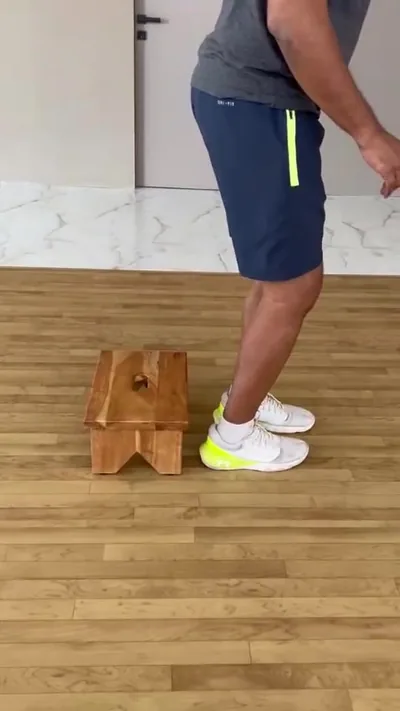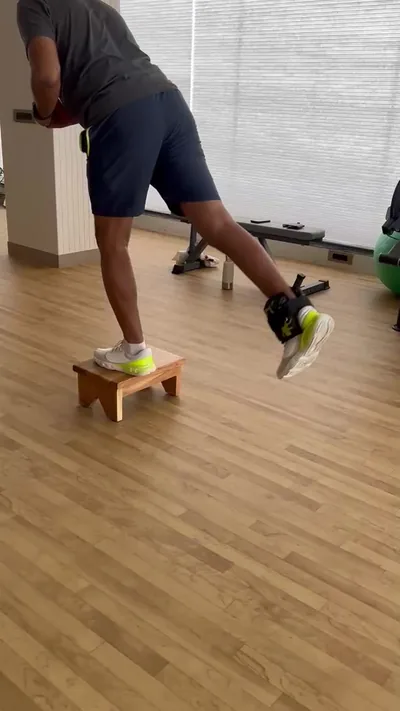
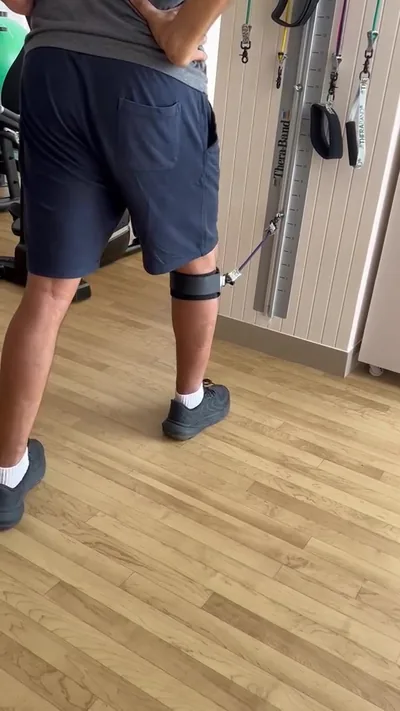
Backward Walking in ACL Rehab Phase 2
Backward walking helps athletes recover from ACL injuries. It builds knee stability in Phase 2 of rehab. This exercise targets quadriceps and improves control after surgery…
Read article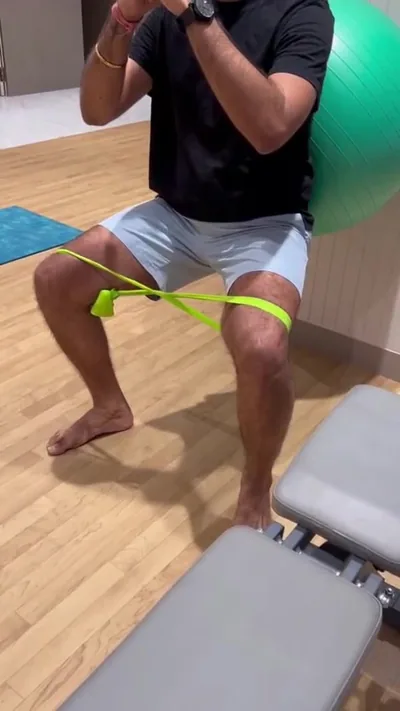
Your knee feels unstable after ACL reconstruction. It gives way during daily moves or light sports. This occurs in phase 2 of rehab, 6-12 weeks post-surgery. Phase 2 builds strength and control after swelling settles and crutches end. The knee feels wobbly on stairs, turns, or uneven ground, even if straight walking is fine. Buckling shows the graft heals but knee position sense needs rebuilding.
For active people in Jaipur returning to cricket, running, or gym, instability delays training. Giving way points to proprioception gaps—the sense telling your brain knee position and movement. Injury and surgery disrupt sensors in ligaments, muscles, skin, and joint capsules. Proprioception drills restore this, improving stability after ACL surgery. They train muscle reactions to shifts, preventing twists or falls.
Trivayu Physio Center in Vaishali Nagar offers sports knee injury recovery programs. Physiotherapists guide phase 2 ACL rehab safely with hands-on techniques. Get surgeon clearance first and start under supervision before home practice. Looking for a Physiotherapy Clinic Near Me? Our team in Vaishali Nagar, Jaipur can assess you in person.
After reconstruction, the graft integrates with tissues. Quadriceps and hamstrings must fire precisely to protect it. In phase 2, weight-bearing tests this. Giving way ties to delayed reflexes—muscles slow on side steps or stops. This stresses the graft in tasks like exiting a car or stepping off a curb.
Knee ligaments provide structure and feedback. Surgery restores structure but resets feedback. Phase 2 rebuilds it through balance challenges. Track swelling and pain daily; any rise means pause and see your doctor. More on Knee Pain Treatment and how we assess it.
Proprioception training links knee position to muscle response. Post-surgery, injury error signals linger, making the joint feel foreign. Drills mimic demands like uneven Jaipur paths or kabaddi stops. They build feed-forward bracing before wobbles.
For sports knee injury recovery, drills bridge strength to control. They reduce buckling in cuts or landings. Sessions build knee trust for later phases. Combine with strengthening for full stability. You may also find ACL Proprioception Week 6 Balance Drills useful.
Start on firm flat surface with support nearby. Do 2-3 sets of 10-15 reps per leg, 3-4 times weekly. Stop if pain, swelling, or twinges—rest and reassess. These support professional physiotherapy for ACL tear.
Breathe normally. Use mirror: knee over toes, not inward. Manual Therapy at Trivayu prepares tissues for drills.
Master basics first: 60s single-leg stance on foam, eyes closed, no dip. Progress:
Pair with quad sets, leg raises, hamstring curls. Track hold times, wobbles, confidence (1-10). Physio fixes form issues like tight hips or weak glutes.
Orthopaedic Rehabilitation at Trivayu fits your graft timeline. Electrotherapy calms irritation before drills.
After static drills, add dynamic:
These prepare for phase 3 jogging. Physio uses biofeedback for quad inhibition.
For athletes, add tweaks: bowlers do lunges with pivots; runners side-steps. Test: 30cm hop-and-stick, hold 5s balanced.
Recovery varies by age, graft type, fitness. Pair with hip/core work—weak glutes contribute to instability.
Phase 1 (0-6 weeks): Protect graft, reduce swelling, regain motion. Phase 2 (6-12 weeks): These drills. Phase 3 (3-6 months): Speed, plyometrics. Sport return: 9-12 months after hop tests. Track 90° bend, quad power without pain.
Seek help if buckling >3 times/week or with pain/swelling. Trivayu tailors to your pace.
Balance exercises like stands, reaches, wobbles to retrain knee feedback.
Proprioception, strength under physio, check graft with surgeon.
Phase 2, 6-12 weeks, after clearance and basic mobility.
Yes, with structured rehab to sport tests.
Trivayu Physio Center, 204, 2nd Floor, Om Tower, Gandhi Path Road, Nemi Nagar. Mon-Sat 8am-8pm, Sun 10am-1pm.
Guided training rebuilds knee trust. Book at Trivayu: WhatsApp/call +91 90570 65065.
Physiotherapy is not the right first step for everything. Seek medical assessment promptly if any of the following apply to you:
If you lose control of your bladder or bowels, develop numbness around the groin, or have chest pain or breathlessness, treat it as an emergency and go to hospital.
Truly thankful to Dr. Jyoti Choudhary and the entire team of Trivayu Physio Centre for their genuine care, humble behaviour, and excellent treatment.
Mahesh Dhaka, Google review
This is one patient's own account, published with consent on our reviews page. It describes their experience, not a predicted outcome. Individual results vary.
Backward walking helps athletes recover from ACL injuries. It builds knee stability in Phase 2 of rehab. This exercise targets quadriceps and improves control after surgery…
Read articleAfter ACL surgery, rebuilding knee strength takes time and care. ACL rehabilitation phases guide this process step by step. Phase 1 protects the graft and cuts…
Read articleAfter hip replacement surgery, dressing your lower body safely helps build independence. By week 6 of hip replacement recovery, many patients aim to dress without help.…
Read articleMessage us on WhatsApp with your main concern and preferred time, and we'll confirm your first visit the same day.