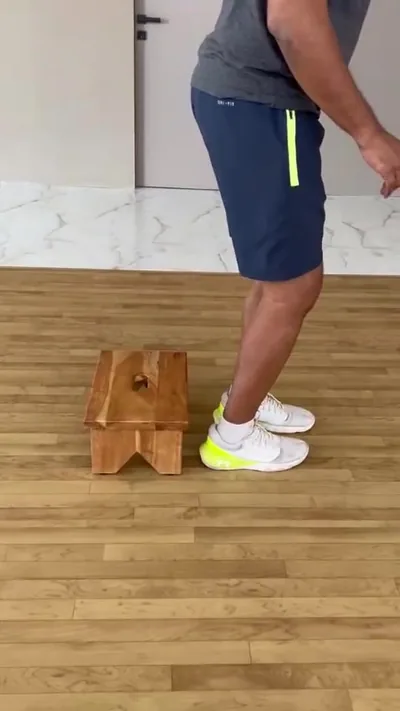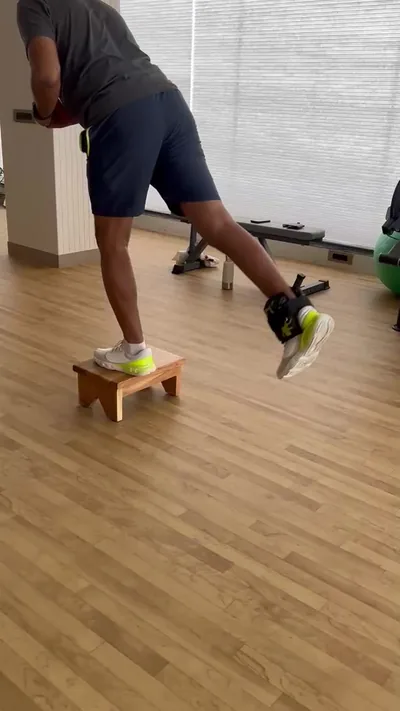
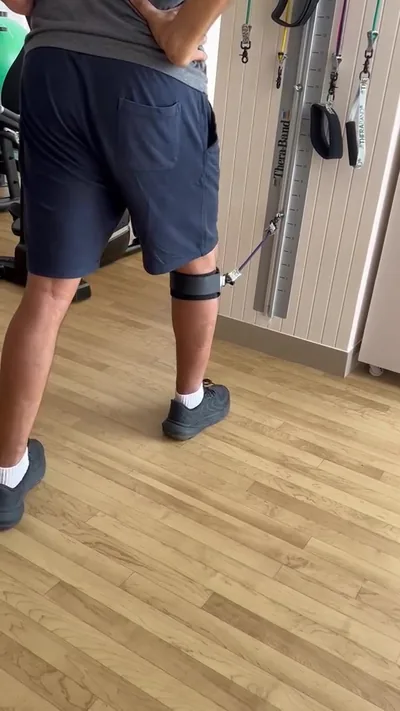
Backward Walking in ACL Rehab Phase 2
Backward walking helps athletes recover from ACL injuries. It builds knee stability in Phase 2 of rehab. This exercise targets quadriceps and improves control after surgery…
Read article

Fast bowling stresses knees. Young cricketers in Jaipur nets risk knee strain from repeated action. Pre-bowl stretches build resilience and reduce injury risk.
Cricket knee strain in Jaipur often comes from skipping warm-ups. This guide shares pre-bowl stretches and routines. Use them before every session to protect knees.
Jaipur cricket nets knee prep uses dynamic moves. These target muscles for safe fast bowling.
Fast bowling has explosive steps and hard landings. Front knee bends under body weight. This repeats hundreds of times in nets, stressing joints.
Young cricketers need knee safety. Growing bodies adapt poorly to sudden loads. Jaipur nets see cases from poor prep or fatigue. Risk rises with long sessions or hard pitches.
Pre-bowl prep boosts blood flow, loosens muscles, improves joint range. Knee strain prevention nets routine lets young bowlers bowl longer without pain.
Physiotherapists assess full bowling action. They watch run-up, brace position, follow-through. This spots knee stress links to hip drive or ankle stability. For young bowlers, they check growth plate areas around knee. Expect questions on session length, pitch type, early pain like tightness after 20 balls.
Use dynamic warm-ups for nets. Do each 20-30 seconds per side, 2-3 times. Breathe steadily. Stand on flat surface. Wear supportive shoes. Progress slowly. Focus on controlled motion, not bounce. If knee feels unstable, stop and sit. Looking for a Physiotherapy Clinic Near Me? Our team in Vaishali Nagar, Jaipur can assess you in person.
These prevent overload. Do standing to mimic bowling posture. Skip any that feel off; note for physio. After stretches, shake legs loosely for 10 seconds to reset.
Build routine in sequence: general, knee focus, activation. Takes 10 minutes at Jaipur nets. Do every time. Cool down with walking and static holds. Time it: use phone timer. Do in open space away from wickets.
Stand tall, shoulders back. Manual Therapy can refine if needed. Practice this twice weekly at home for habit.
Once basics are easy, add these. Target front knee flexion, back knee extension. Do after basics, 2 sets. Breathe out on effort. Use half bowling pace. Young cricketers gain from consistent use. Integrate into nets: do first set before first ball, second mid-session.
Practice at half speed. Progress to full stride with marker on ground. Note front knee angle stays above 30 degrees bend.
For under 18s, limit to 30-40 balls per outing. Rest every 10 balls: walk 50 metres, shake legs, sip water. Physio may add glute bridges: lie back, feet flat, lift hips 5 seconds hold, 10 reps. Feet 30cm apart; squeeze glutes at top. More on Knee Pain Treatment and how we assess it.
In nets: use cones for stride length, place at hip-distance forward. Film action side-on with phone. Stop if knees wobble or track inward. Build speed: 10 easy pace, 10 medium, then full pace over 10. After 20 balls, re-do quick activation: 5 squats, 5 lunges per side.
Poor technique causes most issues. Physios use video analysis, drills. Slow-motion replay shows brace knee valgus (inward collapse). They prescribe mirror drills: check knee over foot.
Practice short run-ups: 5 steps only. Orthopaedic Rehabilitation helps post-strain. Add hip hinge drill: bow from waist, keep back straight.
Strengthen off-field twice weekly: single-leg squats 8 per side, hold chair if shaky, lower slow. Wall sits 30 seconds: back flat to wall, thighs parallel ground. Ice after long sessions if warm: 10 minutes wrapped cloth. Track fatigue; stop if legs heavy or grind. You may also find Knee Prevention Warm-Ups for Fast Bowlers in Cricket useful.
Set nets for safety: soft matting under landing foot. Space bowlers 10 metres apart. Coach watches first 10 balls for form. Young players log knee feel 1-10 scale after sets. Alternate fast with spin bowling to vary load.
Watch for pain after bowling, swelling, instability, grinding noise. Rest with ice 10-15 mins, elevation above heart. Gentle walk next day if improves. See physio if lasts over 48 hours or worsens with stairs.
Trivayu Physio Center offers Sports Injury & Rehab and Manual Therapy. Dr. Jyoti Choudhary for sports, Dr. Hritika Choudhary for rehab. At Vaishali Nagar, Vidyadhar Nagar. Book assessment for gait analysis, strength tests, drills. Home visits or online available.
Dynamic quad, hamstring, calf, hip stretches. Do pre-bowl as listed. Add lunges for brace mimic.
Jog, stretches, activations. 10 minutes. Include breaks every 10 balls. Re-activate mid-session.
Yes. Assess action, test strength, treat soft tissue, guide prevention drills.
Hard landings, poor stride, weak muscles, skipped warm-ups, over-striding, stiff knees.
If pain persists over 48 hours, swells, affects stride, or instability starts.
10-minute sequence: general jog, dynamic stretches, activations. Limit balls to 40. Strengthen glutes daily. Use cones for form.
Make pre-bowl stretches habit. Routine knee prep keeps young bowlers strong. Electrotherapy aids recovery if sore.
Book at Trivayu Physio Center. WhatsApp or call +91 90570 65065.
Physiotherapy is not the right first step for everything. Seek medical assessment promptly if any of the following apply to you:
If you lose control of your bladder or bowels, develop numbness around the groin, or have chest pain or breathlessness, treat it as an emergency and go to hospital.
Truly thankful to Dr. Jyoti Choudhary and the entire team of Trivayu Physio Centre for their genuine care, humble behaviour, and excellent treatment.
Mahesh Dhaka, Google review
This is one patient's own account, published with consent on our reviews page. It describes their experience, not a predicted outcome. Individual results vary.
Backward walking helps athletes recover from ACL injuries. It builds knee stability in Phase 2 of rehab. This exercise targets quadriceps and improves control after surgery…
Read articleAfter ACL surgery, rebuilding knee strength takes time and care. ACL rehabilitation phases guide this process step by step. Phase 1 protects the graft and cuts…
Read articleAfter hip replacement surgery, dressing your lower body safely helps build independence. By week 6 of hip replacement recovery, many patients aim to dress without help.…
Read articleMessage us on WhatsApp with your main concern and preferred time, and we'll confirm your first visit the same day.