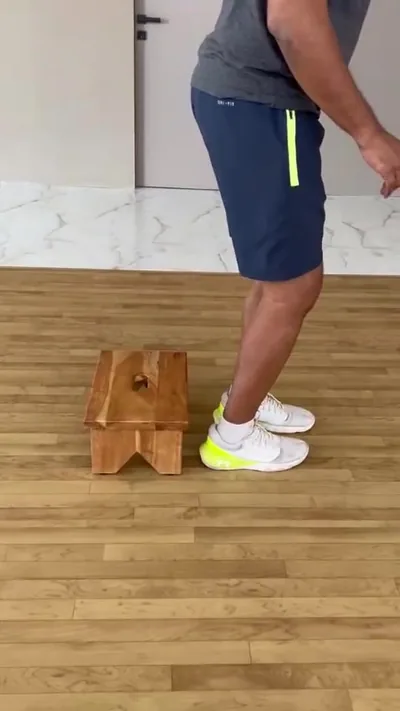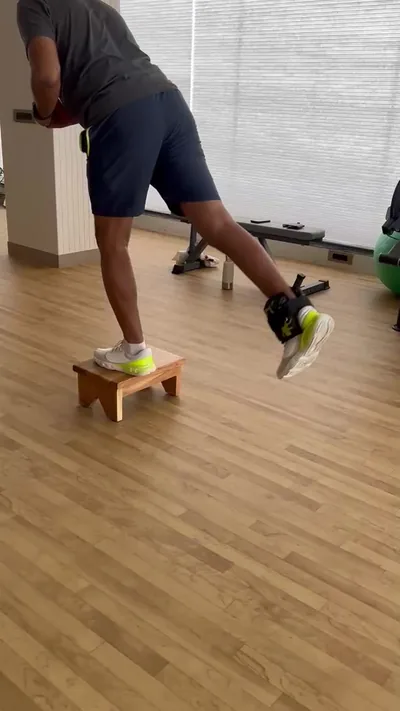
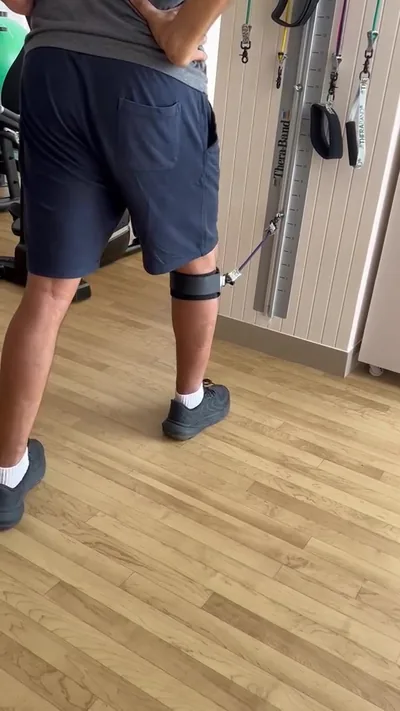
Backward Walking in ACL Rehab Phase 2
Backward walking helps athletes recover from ACL injuries. It builds knee stability in Phase 2 of rehab. This exercise targets quadriceps and improves control after surgery…
Read article

Fast bowlers face knee strain from repeated impacts. Proper warm-ups help. This guide for Jaipur cricketers covers warm-up routines, exercises, prevention steps, safety tips, and stretches for bowling.
Fast bowling stresses the front knee at front-foot contact. Jaipur players often skip warm-ups. A routine prepares muscles for high-speed deliveries and aids injury prevention. Looking for a Rehabilitation Centre Near Me? Our team in Vaishali Nagar, Jaipur can assess you in person.
Follow this before nets or matches. Pair with technique checks. Physiotherapists watch your action in person, note landing and muscle use, then tailor exercises.
Fast bowling loads the front knee. Body brakes suddenly at front-foot contact, twisting and compressing the joint. Poor run-up alignment adds stress. Uneven pitches in Rajasthan amplify jolts.
Overuse without rest builds up. Young players without strength face risks. Heat tightens muscles. Prevention helps long seasons.
Physiotherapists explain repeated braking wears cartilage and ligaments. Early signs: ache after bowling or next-morning stiffness. Spot and adjust early.
Warm-up raises blood flow to knees. Gradual heat build-up prevents tears.
Keep front knee bent at landing. Align hips over foot. Strengthen quads, hamstrings, glutes for stability.
Alternate hard sessions with rest. Ice after long spells. Hydrate to lubricate joints.
Physiotherapists palpate knee, test range, watch stride. Manual Therapy spots issues.
This 10-15 minute routine suits hot Jaipur mornings or evenings. General warm-up first, then specific activation. Do it on grass or mats to mimic pitch feel. More on Knee Pain Treatment and how we assess it.
End with half-pace bowls into nets. This preps exact motions. In Jaipur heat, sip water between steps.
Use these dynamic stretches right before bowling. They increase range without holding still. Do 8-10 reps per side, slow and controlled.
Post-bowling, switch to static holds: 20-30 seconds per stretch for hamstrings, quads, calves. Hold a wall quad stretch or seated forward bend.
Do 2-3 times weekly, 3 sets of 10-12 reps. Body weight first. Use a mat in Jaipur gyms or home. Rest 60 seconds between sets. You may also find Cricket Fast Bowling Knee Strain Warm-Ups useful.
Progress slowly. Sports Injury & Rehab tailors after form check. Add resistance bands once form holds.
If knee feels tight post-session, use these gentle exercises. Do daily if sore, but stop if pain sharpens. Aim for pain-free movement.
Combine with Electrotherapy if available for swelling. Physiotherapist guides progression.
Video action weekly with phone on tripod. Check knee collapse or overstride from side angle.
Stretch hips and ankles daily. Roll calves post-session with foam roller or bottle.
Use shoes with firm heel, cushioned forefoot. Train on grass, not concrete. Replace spikes yearly.
Limit juniors to 4-6 overs per session. Add opposite-arm throws to balance load.
Eat protein like dal, eggs, paneer. Use nimbu pani for electrolytes in heat.
Track sessions in notebook: overs bowled, knee feel, rest days. Adjust if fatigue builds.
Rush warm-ups: Use 10-minute timer on phone.
Static stretches pre-bowl: Use dynamic only pre, static post.
Overstride: Shorten to 15-20 strides, video check.
Ignore niggles: Rest, ice 15 minutes on/off. Seek physio.
Poor shoes: Use cushioned spikes, check wear.
No core: Add planks, 3 sets 20-30 seconds, 2x weekly. Bowler twist for rotation.
Forget recovery: Walk 5 minutes post-bowl to cool down.
Trivayu Physio Center offers Sports Injury & Rehab. Dr. Jyoti Choudhary guides.
Locations: Vaishali Nagar and Vidyadhar Nagar. Full assessment: history, tests, video review. Expect hands-on checks, custom plan, follow-ups.
Physiotherapist approach: First session reviews your bowling video, tests knee strength and flexibility, observes run-up. Builds plan with warm-ups, exercises, technique cues. Orthopaedic Rehabilitation follows for ongoing refinement.
Warm-up daily. Check technique. Strengthen muscles. Rest. Video form. Stretch dynamically.
Leg swings, lunges, high knees, shadow bowling, arm circles.
High impact at landing. Poor alignment or no prep. Uneven pitches. Overuse.
Yes. Orthopaedic Rehabilitation refines routine.
10-15 minutes, including dynamic stretches and shadow work.
Stop immediately. Ice, elevate, rest 48 hours. See physio for assessment.
Leg circles, inchworms, fire hydrants, ankle flex with knee bend.
Build habits for season-long play. Consistent prep cuts risks.
Book at Trivayu Physio Center. WhatsApp or call +91 90570 65065.
Physiotherapy is not the right first step for everything. Seek medical assessment promptly if any of the following apply to you:
If you lose control of your bladder or bowels, develop numbness around the groin, or have chest pain or breathlessness, treat it as an emergency and go to hospital.
Truly thankful to Dr. Jyoti Choudhary and the entire team of Trivayu Physio Centre for their genuine care, humble behaviour, and excellent treatment.
Mahesh Dhaka, Google review
This is one patient's own account, published with consent on our reviews page. It describes their experience, not a predicted outcome. Individual results vary.
Backward walking helps athletes recover from ACL injuries. It builds knee stability in Phase 2 of rehab. This exercise targets quadriceps and improves control after surgery…
Read articleAfter ACL surgery, rebuilding knee strength takes time and care. ACL rehabilitation phases guide this process step by step. Phase 1 protects the graft and cuts…
Read articleAfter hip replacement surgery, dressing your lower body safely helps build independence. By week 6 of hip replacement recovery, many patients aim to dress without help.…
Read articleMessage us on WhatsApp with your main concern and preferred time, and we'll confirm your first visit the same day.