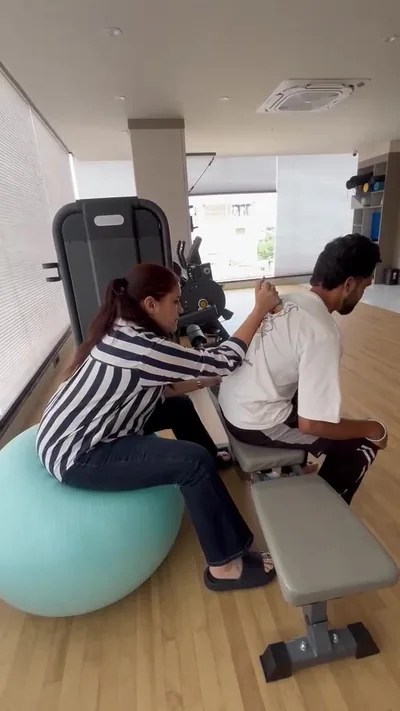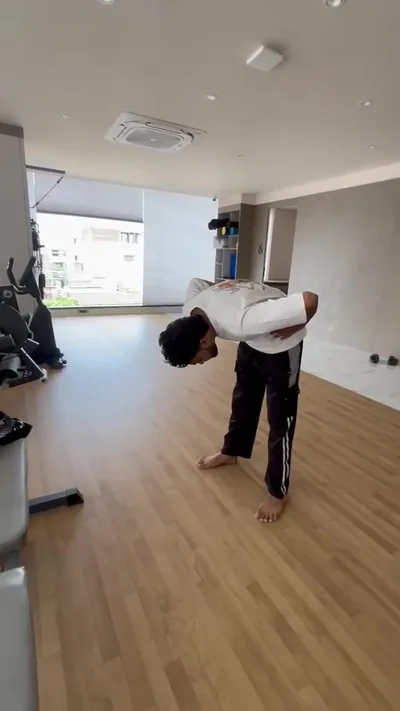
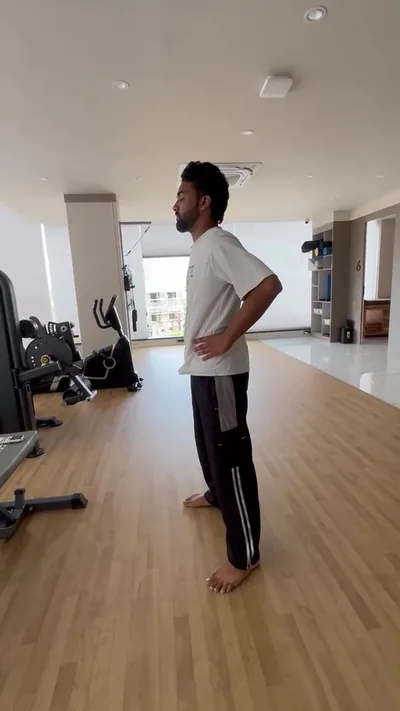
Is Side Bending Safe with L4 L5 Herniated Disc
An L4 L5 herniated disc happens when the disc between your fourth and fifth lumbar vertebrae bulges or ruptures. This presses on nearby nerves, causing pain…
Read article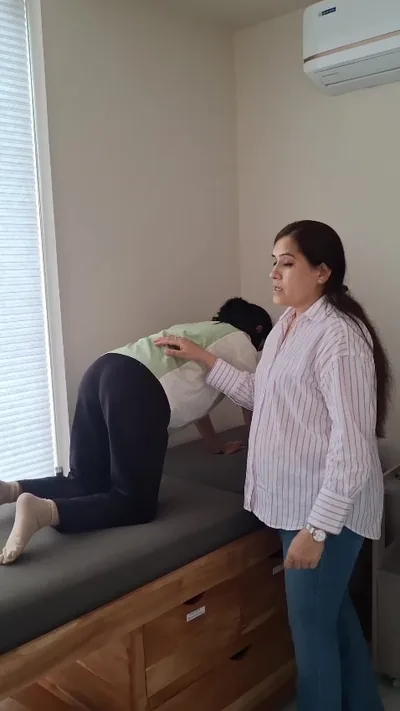

Many new mothers face sciatica after delivery. Pain runs from lower back down one leg. It occurs when the sciatic nerve gets irritated. Postpartum sciatica flares due to pregnancy and birth changes. The nerve travels from lower spine through buttocks and down the leg. Irritation causes sharp pain, burning, tingling or numbness.
Pelvic shifts and weak muscles worsen it. Hormonal changes loosen ligaments. The pelvis widens for birth, pulling on the spine and pinching the nerve. Weak back and core muscles fail to hold alignment. Tasks like feeding or lifting the baby twist the body. Poor posture while breastfeeding adds load. Gentle exercises ease postpartum back pain by focusing on core activation without overload.
Early steps aid recovery. Check with a professional before starting. These suit most new mums but need tailoring to birth type. A physiotherapist checks posture, movement and muscle strength. They spot pregnancy imbalances.
Postpartum sciatica is nerve pain after childbirth. It feels like sharp pain, tingling or numbness in buttock and leg. The sciatic nerve gets pressed by tight muscles or shifted bones. Pain worsens with sitting, standing or walking.
Causes include pelvic changes. Pregnancy widens the pelvis for birth, altering spine alignment. Sacroiliac joints loosen from relaxin hormone. This lasts weeks postpartum. Ligaments stay soft, letting bones shift. Piriformis muscle can trap the nerve. Lifting baby or poor posture adds pressure. Bending for nappies or pushing pram strains the back. Looking for a Physiotherapy Clinic Near Me? Our team in Vaishali Nagar, Jaipur can assess you in person.
Daily tasks flare it. Weak core from stretched abdominals fails to support the spine. Slouched breastfeeding pulls pelvis forward. Sleep disruption slows recovery. Early management supports daily life but does not replace medical advice. Track pain: does it hurt more on one side? Note triggers like stairs or coughing.
Gentle core activation stabilises the spine and reduces nerve pressure. Pregnancy stretches abdominal and pelvic floor muscles. This lets the lower back overwork, pinching the nerve. Transverse abdominis acts like a corset to steady the spine.
Activating deep core and pelvic floor rebuilds support. It improves posture and eases pain. Benefits include better balance for carrying baby. Strong pelvic floor steadies the tailbone. Weakness tilts the pelvis, irritating the nerve. Core work counters flares without high impact. Start slow. A physiotherapist teaches correct activation. More on Sciatica Treatment and how we assess it.
Expect gradual change over weeks with daily practice. Pair with posture cues: tuck pelvis when standing.
These target core activation after delivery. Use a firm mat. Breathe steadily. Stop if pain increases. Aim for 8-10 repeats, 2-3 times daily. Warm up with 5 minutes walking. Focus on deep muscle engagement without back arching.
Avoid if fresh stitches or severe pain. Wait for doctor clearance post-six-week check. Pair with rest and posture. Use pillow under knees when lying. Sit with lumbar roll.
Trivayu Physio Center treats postpartum sciatica in Jaipur. Techniques include Robotic Spinal Decompression Therapy to ease nerve pressure. Manual Therapy releases tight tissues. Orthopaedic Rehabilitation builds strength. Electrotherapy reduces pain.
Team handles women’s health. Dr. Jyoti Choudhary has sports and orthopaedics skill. Dr. Hritika Choudhary leads post-op rehab. Locations: Vaishali Nagar and Vidyadhar Nagar. Session starts with assessment: gait, palpation, pelvic alignment. You may also find Postpartum Back Pain Exercises for New Mothers useful.
First visit maps pain triggers. Hands-on work loosens piriformis. Electrotherapy provides relief. Custom home exercises follow. Progress checks adjust plan.
Book in-person assessment for personalised plans.
Pelvic floor weakness worsens sciatica. Pregnancy and birth stretch these muscles. Weakness tilts pelvis, straining nerve roots. Kegels miss deep layers.
Physiotherapist teaches activation: squeeze as stopping wind and urine. Hold 8 seconds, relax. Do lying, sitting, standing. Progress to quick flicks. Combine with core work. Avoid over-tightening.
Lift baby close, bend knees. Use side-lying feed with pillow. Pram pushing: engage core, short steps. Sleep on side, pillow between knees. Avoid crossing legs.
Heat packs 15 minutes twice daily. Ice if swollen. Walk short distances.
Seek urgent care for bladder loss, leg weakness, saddle numbness. Worsening pain or fever needs check.
Trivayu offers home visits and online consultation. Physiotherapist assesses fully, tests nerve glide.
Contact +91 90570 65065. Locations: 204, 2nd Floor, Om Tower, Gandhi Path Road, Nemi Nagar, Vaishali Nagar, Jaipur; Rangoli Gardens, Vidyadhar Nagar. Hours: Mon-Sat 8am-8pm, Sun 10am-1pm.
Pregnancy changes: widened pelvis, loose ligaments, weak muscles press the nerve. Baby care and piriformis tightness flare it.
Yes, gentle activation stabilises spine, lessens pressure. Add pelvic floor.
If pain lasts over two weeks, limits walking or sleep. Early help speeds recovery. Post-caesarean needs checks.
Yes, if slow and pain-free. Get six-week clearance. Stop if sharp pain.
Varies. Many improve in weeks with care. Persistent cases need assessment.
Controlled traction creates spine space, reduces pinch. Sessions 20-30 minutes.
Gentle steps manage postpartum sciatica. Core and pelvic floor care help. Combine with professional guidance.
Book assessment at Trivayu Physio Center. WhatsApp or call +91 90570 65065.
Physiotherapy is not the right first step for everything. Seek medical assessment promptly if any of the following apply to you:
If you lose control of your bladder or bowels, develop numbness around the groin, or have chest pain or breathlessness, treat it as an emergency and go to hospital.
Truly thankful to Dr. Jyoti Choudhary and the entire team of Trivayu Physio Centre for their genuine care, humble behaviour, and excellent treatment.
Mahesh Dhaka, Google review
This is one patient's own account, published with consent on our reviews page. It describes their experience, not a predicted outcome. Individual results vary.
An L4 L5 herniated disc happens when the disc between your fourth and fifth lumbar vertebrae bulges or ruptures. This presses on nearby nerves, causing pain…
Read articleShopkeepers in Jaipur often stand for long hours behind counters. This prolonged standing can trigger sciatica pain. Sciatica happens when the sciatic nerve gets irritated, often…
Read articleHerniated disc night pain disrupts sleep for many. The disc bulge presses on nerves, causing sharp back pain or sciatica that flares up at night. Simple…
Read articleMessage us on WhatsApp with your main concern and preferred time, and we'll confirm your first visit the same day.