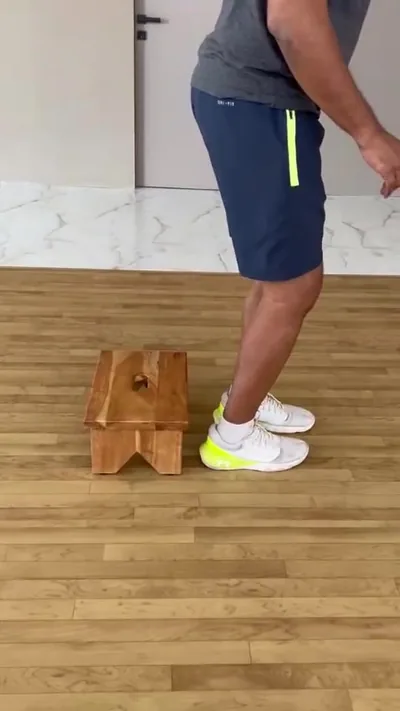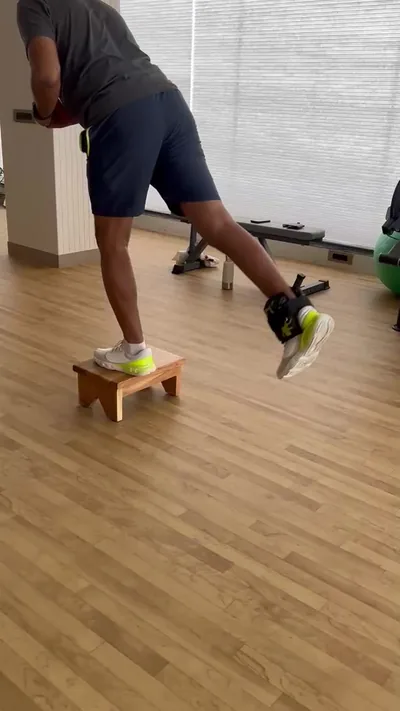
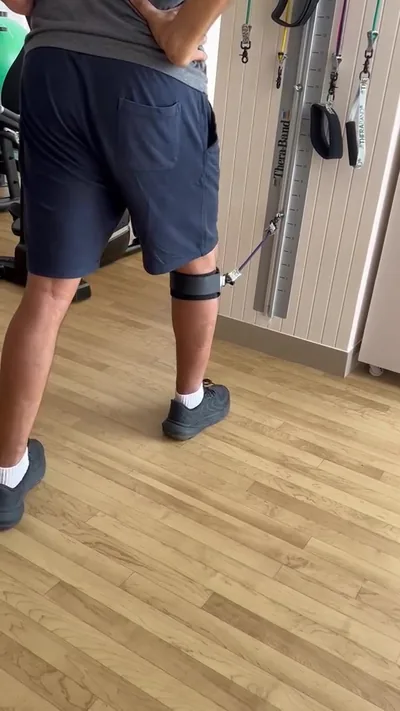
Backward Walking in ACL Rehab Phase 2
Backward walking helps athletes recover from ACL injuries. It builds knee stability in Phase 2 of rehab. This exercise targets quadriceps and improves control after surgery…
Read article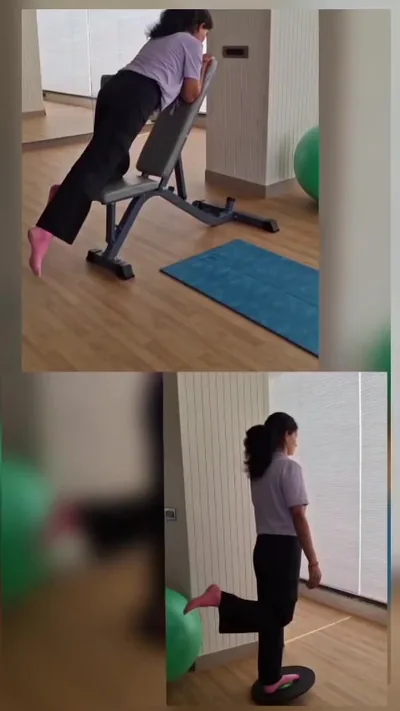

After pregnancy, many active mothers in Jaipur want to return to running. Childbirth stretches and weakens pelvic floor muscles. These support bladder, bowel, and uterus. Weakness can lead to leaks or pain during jogs. This guide explains changes, signs, exercises, and a safe plan. Trivayu Physio Center offers women’s health physiotherapy.
Returning to running after baby needs care. Rushing risks injury. Start with self-checks and basic exercises. Build strength before jogging. Professional assessment ensures safety. Our team supports postnatal recovery for runners in Vaishali Nagar and Vidyadhar Nagar. Women’s health physio focuses on pelvic floor weakness after birth to prevent incontinence when running.
Pregnancy and birth affect pelvic floor muscles. These form a sling at the pelvis base. They stretch during delivery, especially vaginal birth. Hormones like relaxin loosen tissues. This leads to weakness after birth.
Active women face incontinence: urine leaks with coughs, sneezes, or runs. Prolapse feels like organs dropping. Runners face higher risks from jogging impact. Pressure builds in the abdomen during strides. Postnatal recovery takes time to rebuild strength.
Every mother differs. Factors like birth type, baby size, and prior fitness play a role. Vaginal births cause more stretch. C-sections weaken muscles through pregnancy weight. Multiple births add strain. Focus on gradual strengthening. Postpartum exercise starts with pelvic floor work to support running.
Check symptoms before resuming jogs. Leaking urine during or after exercise signals weakness. Heaviness or dragging in the pelvis is another sign. Pain in lower back, hips, or during sex may link to it. Looking for a Rehabilitation Centre Near Me? Our team in Vaishali Nagar, Jaipur can assess you in person.
Self-assess at home. Try a deep cough or jump. Note any leak or bulge. Wind or urgency during activity warns of issues. These show pelvic floor weakness after birth. Stop running if present. Seek assessment.
Early notice prevents worse problems. Runners often ignore mild leaks, delaying safe return. Watch for bowel changes like difficulty controlling wind. Pelvic fatigue after short walks points to the issue. Track over a week.
Start basic exercises postpartum. Build to advanced. Trivayu uses clinical Pilates and exercise therapy. Check with a physio first. They assess squeeze strength and endurance manually or with biofeedback.
Basic moves:
Progress to functional exercises. Add squats or bridges with squeeze. For bridges: Lie on back, feet flat, lift hips while holding pelvic floor lift. Lower slowly. Do 8-10 reps, 2 sets. Integrate into daily routine. Avoid overdoing. Stop if pain occurs. Practice quick squeezes: 10 fast 1-second holds for running impact. Read more about our Posture Correction.
Clinic techniques help. Clinical Pilates strengthens core and floor. Physio guides reformer work with springs. Exercise therapy targets runners. These aid pelvic floor strengthening to handle repeated pressure and prevent incontinence when running.
Use a phased approach. Combine pelvic floor work with other care. Posture correction reduces strain. Manual therapy eases tightness. Physio checks running form on treadmill.
Warm up with 5 minutes marching in place, squeezing pelvic floor on each step. Cool down with child’s pose to relax the floor.
Track progress weekly in a journal. Note pain, leaks, or fatigue. Adjust based on response. Pair with myofascial release: roll outer hips and inner thighs with foam roller. Add glute bridges for pelvic stability.
Trivayu Physio Center aids return to running after baby. Dr. Jyoti Choudhary leads ante-natal and post-natal rehabilitation. With 17+ years, she specialises in women’s health physio in Jaipur. Dr. Hritika Choudhary handles post-op rehab and electrotherapy.
We offer manual therapy, clinical Pilates, and exercise therapy. Dry needling targets tight spots. A session starts with history and pelvic exam if needed, then tailored exercises. Expect homework like daily logs. Locations: Vaishali Nagar (Om Tower, Gandhi Path Road) and Vidyadhar Nagar (Rangoli Gardens). Vaishali Nagar includes gait analysis for postnatal mothers. Book in-person assessment. Home visits and online consultations available. Expect tests like cough holds or ultrasound. You may also find Postpartum Back Pain Exercises for New Mothers in Jaipur useful.
Timing varies. Wait at least 12 weeks post vaginal birth, longer for C-section. Get physio clearance. Factors like healing and strength matter. Physio checks scar mobility for C-sections.
Kegels, bridges, squats, heel slides with squeeze. Clinical Pilates integrates them. Start basic, progress slowly. Add clamshells: Lie on side, knees bent, lift top knee while squeezing. 10 reps per side.
Urine leaks, pelvic heaviness, pain during strides. Bulge or urgency too. Stop and assess. Wind leakage or bowel shifts count.
Yes, for safe return. Vaishali Nagar physio like Trivayu checks issues and plans rehab. Prevents long-term problems. Women’s health physio tailors postpartum exercise.
Daily Kegels, breathing, heel slides, clamshells. 10-15 reps, 3 sets. Squat with hold: Feet wide, lower halfway, squeeze up. Consult physio. Practice during walks: Squeeze on every third step.
In clinic, internal exam if comfortable, or external checks. Test squeeze power, endurance, coordination. Running-specific: Simulate strides while monitoring pressure. Builds custom plan.
Core work like bird-dogs: On all fours, extend opposite arm and leg, hold pelvic squeeze. Glutes with donkey kicks. All support running return. Progress under guidance.
Strengthen your pelvic floor for safe jogging postpartum. Recovery takes patience. Trivayu Physio Center supports active mothers in Jaipur.
Book an assessment today. WhatsApp or call +91 90570 65065.
Physiotherapy is not the right first step for everything. Seek medical assessment promptly if any of the following apply to you:
If you lose control of your bladder or bowels, develop numbness around the groin, or have chest pain or breathlessness, treat it as an emergency and go to hospital.
Truly thankful to Dr. Jyoti Choudhary and the entire team of Trivayu Physio Centre for their genuine care, humble behaviour, and excellent treatment.
Mahesh Dhaka, Google review
This is one patient's own account, published with consent on our reviews page. It describes their experience, not a predicted outcome. Individual results vary.
Backward walking helps athletes recover from ACL injuries. It builds knee stability in Phase 2 of rehab. This exercise targets quadriceps and improves control after surgery…
Read articleAfter ACL surgery, rebuilding knee strength takes time and care. ACL rehabilitation phases guide this process step by step. Phase 1 protects the graft and cuts…
Read articleAfter hip replacement surgery, dressing your lower body safely helps build independence. By week 6 of hip replacement recovery, many patients aim to dress without help.…
Read articleMessage us on WhatsApp with your main concern and preferred time, and we'll confirm your first visit the same day.