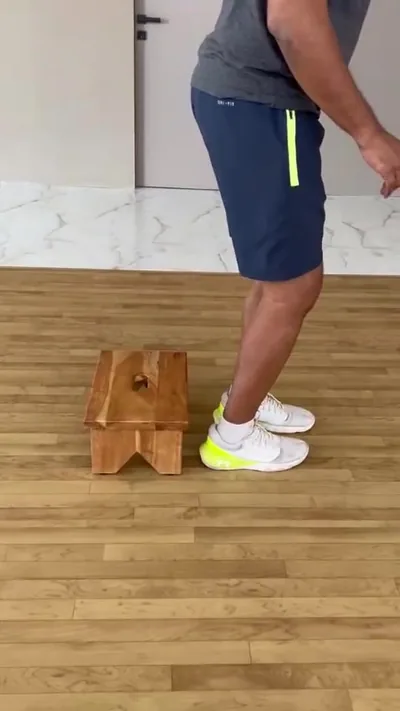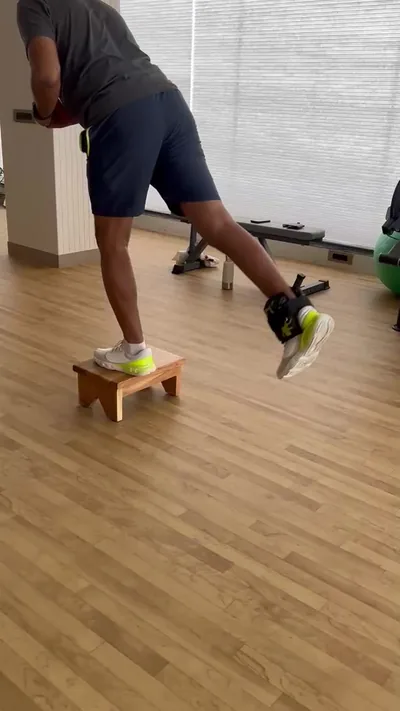
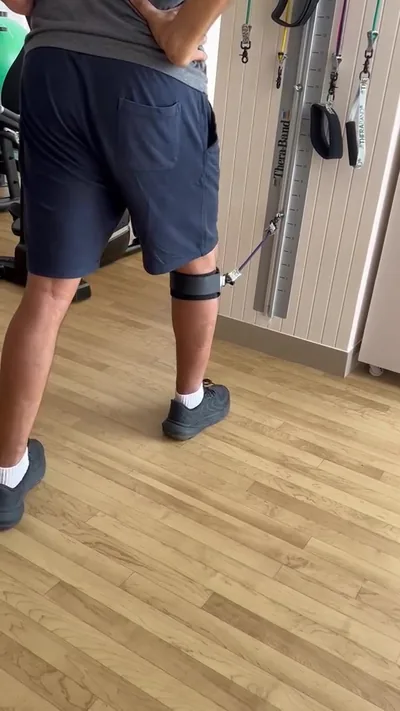
Backward Walking in ACL Rehab Phase 2
Backward walking helps athletes recover from ACL injuries. It builds knee stability in Phase 2 of rehab. This exercise targets quadriceps and improves control after surgery…
Read article

The short answer
Physiotherapy after microdiscectomy includes guided early walking starting on the day of surgery or next morning with short, slow walks of 5 to 10 minutes. It progresses gradually over six weeks to build endurance while incorporating gentle neural mobilisation. This protects the healing nerve and disc, reduces stiffness and eases nerve tension.
Physiotherapy after microdiscectomy protects the healing nerve and disc while restoring safe movement. The first six weeks are critical. Guided early walking and gentle neural mobilisation reduce stiffness, ease nerve tension, and support recovery after lumbar discectomy without risking re-injury.
Many adults in Jaipur with persistent sciatica or slip disc choose microdiscectomy when conservative care is not enough. After surgery, the focus shifts to controlled activity. A structured post microdiscectomy rehab plan helps reduce complications and prepares you for long-term spine health.
At Trivayu Physio Center in Vaishali Nagar, experienced physiotherapists create individual plans. They guide you through each stage so you can return to daily life with confidence.
Lumbar microdiscectomy is a minimally invasive surgery that removes the part of a herniated disc pressing on a spinal nerve. Surgeons use a small cut and special tools, so recovery is usually faster than older open procedures.
Early physiotherapy after microdiscectomy is important because the nerve remains sensitive after surgery. Gentle movement in the first six weeks protects the nerve root, reduces scar tissue formation and helps the disc heal in a stable position.
Walking after microdiscectomy surgery can usually start on the day of surgery or the next morning. Begin with short, slow walks inside the house. Aim for 5 to 10 minutes at a time, three to four times a day. Looking for a Physiotherapist Near Me? Our team in Vaishali Nagar, Jaipur can assess you in person.
Basic neural mobilisation after disc surgery starts with very gentle nerve gliding. These are simple movements that slide the sciatic nerve without stretching it. A physiotherapist teaches the exact range so you stay pain-free. Keep a neutral spine while sitting and standing. Avoid bending, lifting or twisting during this period.
Contact your physiotherapist immediately if you notice increasing leg pain, new weakness, loss of bladder or bowel control, or fever. Early checks help reduce setbacks.
By weeks three and four you can gradually increase daily steps. Many patients reach 20 to 30 minutes of walking, split into two or three sessions. Walk on flat surfaces and maintain good posture. Stop and rest if leg symptoms worsen.
At this stage, slightly more active nerve slider and tensioner exercises are introduced. These gentle neural mobilisation techniques help the nerve move freely inside the spinal canal. The physiotherapist demonstrates each movement and checks that you perform them correctly. Continue to avoid bending, lifting or twisting.
Watch for warning signs: sharp shooting pain down the leg, increased numbness, or back spasm that does not settle with rest. If any appear, reduce activity and call the clinic.
In weeks five and six, walking targets rise to 30 to 45 minutes daily, depending on your comfort. You may add gentle hills if your symptoms allow. More advanced but still mild neural mobilisation techniques are added to improve nerve mobility further.
Basic core activation exercises begin under supervision. These gentle contractions help support the spine without straining the surgical site. Posture correction work becomes important as you return to longer periods of sitting and standing. The physiotherapist checks your form and adjusts the programme. Read more about our Post-Surgery & Joint Replacement Rehab.
By the end of week six, most patients have good walking tolerance and reduced nerve symptoms. The team assesses your progress and decides when you are ready for the next phase.
Trivayu Physio Center in Vaishali Nagar and Vidyadhar Nagar offers complete post microdiscectomy rehab. The team includes senior physiotherapists experienced in post-operative spine care. They use manual therapy after back surgery to ease muscle tension and improve joint movement around the surgical area.
Robotic spinal decompression therapy helps create gentle space in the lumbar spine and reduces pressure on the nerve. Clinical Pilates-based exercise therapy builds deep core strength safely. Advanced electrotherapy, Class IV High Power Laser Therapy and Dry Needling are available when needed to control pain and swelling.
Each patient receives an individualised plan. The same physiotherapist follows you from early walking through to full functional recovery. Home visits and online consultation are also offered for those who cannot travel in the first weeks.
Most patients begin gentle walking within 24 hours of surgery. Start with short distances and increase slowly as comfort allows. Always follow the specific advice given by your surgeon and physiotherapist. You may also find Back Pain from Scooter Riding Jaipur: Posture Tips for Riders useful.
Safe exercises after lumbar microdiscectomy include short walks, gentle nerve gliding movements, and basic posture practice. No forward bending, lifting or twisting is allowed. A physiotherapist must teach each movement.
Neural mobilisation after disc surgery improves the sliding and gliding of the sciatic nerve. It reduces adhesions, eases tension and helps restore normal nerve function without irritating the healing disc.
Yes, a carefully prescribed home programme is an important part of recovery. Regular check-ins with your physiotherapist help ensure you are doing the exercises correctly and progressing at the right speed.
Advanced rehab usually begins after six weeks, once the surgeon and physiotherapist confirm that the disc has stabilised and nerve symptoms are under control. Strength, flexibility and functional training are then added gradually.
Recovery after lumbar discectomy varies from person to person. The first six weeks set the foundation for a strong return to normal life. Early walking progression and carefully guided neural mobilisation exercises after lumbar microdiscectomy reduce fear of movement and support long-term spine health.
If you have had microdiscectomy surgery or are preparing for it, book an assessment at Trivayu Physio Center. Our team will guide your recovery with clear, step-by-step plans. Call +91 90570 65065 or message on WhatsApp to arrange your first visit.
Physiotherapy is not the right first step for everything. Seek medical assessment promptly if any of the following apply to you:
If you lose control of your bladder or bowels, develop numbness around the groin, or have chest pain or breathlessness, treat it as an emergency and go to hospital.
Backward walking helps athletes recover from ACL injuries. It builds knee stability in Phase 2 of rehab. This exercise targets quadriceps and improves control after surgery…
Read articleAfter ACL surgery, rebuilding knee strength takes time and care. ACL rehabilitation phases guide this process step by step. Phase 1 protects the graft and cuts…
Read articleAfter hip replacement surgery, dressing your lower body safely helps build independence. By week 6 of hip replacement recovery, many patients aim to dress without help.…
Read articleMessage us on WhatsApp with your main concern and preferred time, and we'll confirm your first visit the same day.