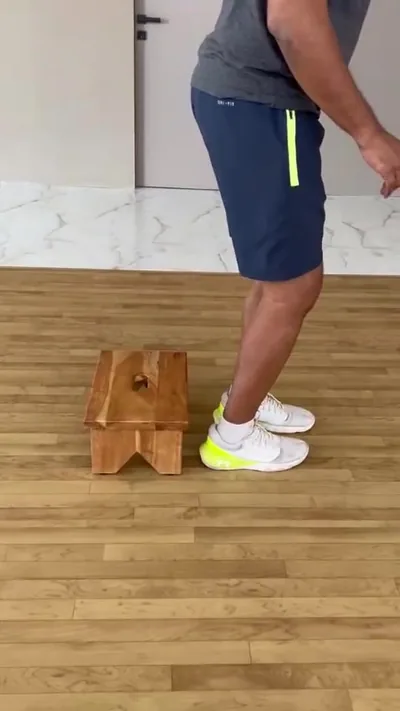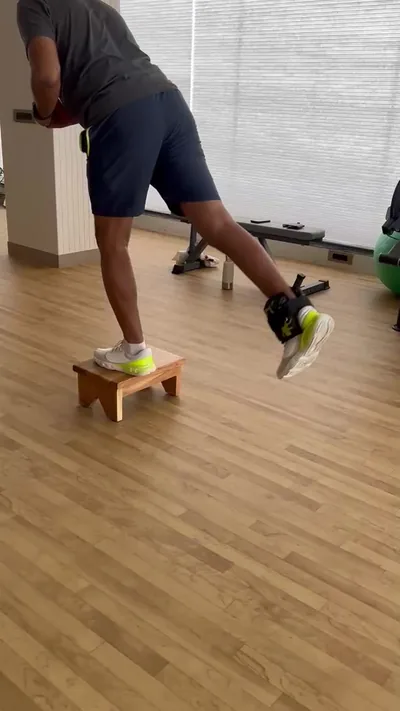
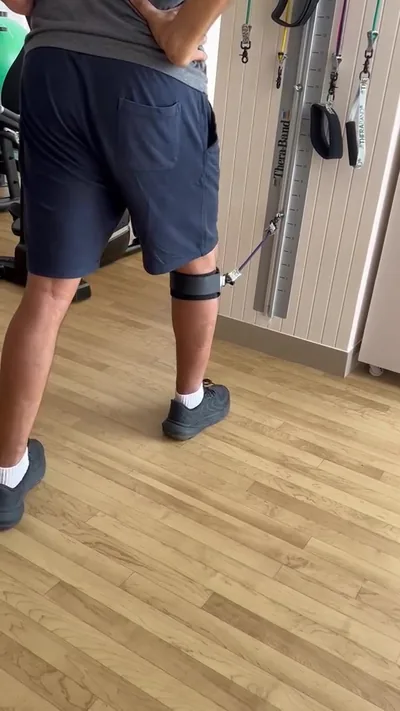
Backward Walking in ACL Rehab Phase 2
Backward walking helps athletes recover from ACL injuries. It builds knee stability in Phase 2 of rehab. This exercise targets quadriceps and improves control after surgery…
Read article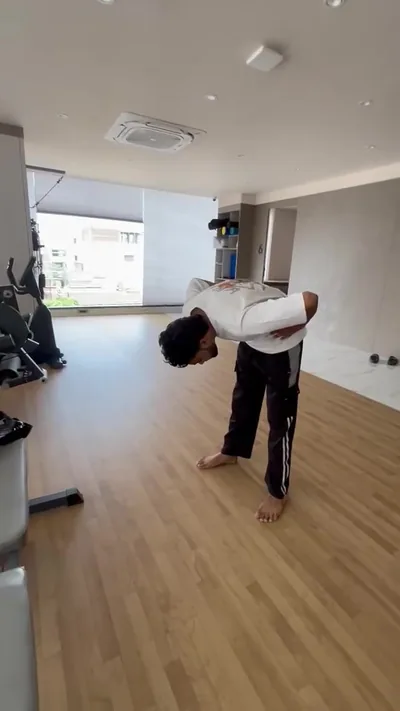

The short answer
Scooter riding in Jaipur causes chronic low back pain from poor riding posture, constant road vibration and weak core muscles. Daily two-wheeler commutes lead to forward pelvic tilt and lumbar strain. Simple posture changes, bike setup and habits at Trivayu Physio Center reduce discomfort.
Many people in Jaipur ride scooters every day to beat traffic. Yet this daily two-wheeler commute often brings chronic low back pain. Poor riding posture, constant vibration and weak core muscles add strain to the lower back. Simple changes in posture, bike setup and habits can reduce discomfort without stopping your commute.
At Trivayu Physio Center in Vaishali Nagar we help riders manage low back pain scooter commuting. The right ergonomic riding posture, lumbar support on scooter and regular breaks make a real difference. Recovery varies from person to person. An in-person assessment helps find the best plan for your body.
Daily scooter riders in Jaipur sit in one position for long periods. The spine loses its natural curve and the pelvis tilts forward. This pelvic tilt while riding puts extra pressure on the lumbar discs and muscles.
Vibration from rough roads travels straight up the spine. Weak core muscles fail to absorb these shocks. Over months this leads to muscle strain, stiffness and chronic low back pain. Many patients also report tight hip flexors and rounded shoulders that worsen the problem.
Common triggers include low handlebars, soft seats without support, and riding in heavy traffic with frequent braking. These factors combine to create back strain commuting that builds day after day. Looking for a Physiotherapy Clinic Near Me? Our team in Vaishali Nagar, Jaipur can assess you in person.
Small changes to your scooter can improve ergonomic riding posture and reduce pressure on the lower back.
These adjustments cost little yet bring noticeable relief for low back pain scooter commuting. Test each change for a few days and adjust again if needed.
Strong deep core muscles support the lumbar spine during rides. Core activation on bike can be done safely while moving.
Sit tall, breathe normally, then gently draw the lower belly inward toward the spine. Hold this light contraction for 5-10 seconds while keeping shoulders relaxed. Repeat every few minutes during your commute.
Combine this with a neutral pelvic tilt while riding. Imagine gently tucking your tailbone under without rounding your back. This pelvic control reduces forward tilt and shares load between core and back muscles. Practise first while stationary so the movement feels natural on the road.
Clinical Pilates and exercise therapy at our centre can strengthen these muscles further in a controlled setting.
Traffic stops in Jaipur give perfect chances for break stretches for riders. Perform these moves every 30-45 minutes or at red lights.
These stop and stretch tips for commuters release tight muscles and restore movement before pain builds.
Good habits combine posture reminders, strengthening and timely help.
Check your mirror every 10 minutes and sit tall with relaxed shoulders. Avoid slouching when tired. Perform core exercises for back pain riders at home three times a week. Simple bridges, bird-dog moves and dead bugs strengthen the muscles that support your spine on the scooter. Read more about our Posture Correction.
Warm up with light walking before long rides. Stay hydrated and avoid heavy backpacks that pull the spine out of alignment. If pain lasts more than a week, disturbs sleep or travels down the leg, seek professional help.
Our team uses manual therapy, myofascial release, Class IV High Power Laser Therapy and robotic spinal decompression therapy when needed. Posture correction and exercise therapy form the base of lasting relief.
Prolonged sitting, forward pelvic tilt, road vibration and weak core muscles combine to strain the lumbar area. Daily two-wheeler commute in Jaipur traffic makes these stresses repeat for hours. You may also find Posture Tips for Bike Riders to Ease Back Pain useful.
Raise handlebars, adjust seat position, add lumbar support on scooter and use a firmer seat cushion. These changes improve ergonomic riding posture and cut vibration reaching the spine.
Gently draw the lower belly inward toward the spine for 5-10 seconds while breathing normally. Add a slight pelvic tilt while riding. Practise when stationary first.
Try seated pelvic tilts, upper back extensions, standing hip flexor stretches and side bends. Perform them at lights or after every 30-45 minutes of riding.
See a physiotherapist if pain lasts longer than a week, wakes you at night, spreads into the leg or limits daily riding. An assessment identifies the exact cause and creates a safe plan.
Small changes in riding posture, core control and daily habits can reduce back pain from scooter riding Jaipur. Consistent practice brings steady improvement. Book an assessment at Trivayu Physio Center in Vaishali Nagar. Call +91 90570 65065 or message on WhatsApp to start.
Physiotherapy is not the right first step for everything. Seek medical assessment promptly if any of the following apply to you:
If you lose control of your bladder or bowels, develop numbness around the groin, or have chest pain or breathlessness, treat it as an emergency and go to hospital.
Backward walking helps athletes recover from ACL injuries. It builds knee stability in Phase 2 of rehab. This exercise targets quadriceps and improves control after surgery…
Read articleAfter ACL surgery, rebuilding knee strength takes time and care. ACL rehabilitation phases guide this process step by step. Phase 1 protects the graft and cuts…
Read articleAfter hip replacement surgery, dressing your lower body safely helps build independence. By week 6 of hip replacement recovery, many patients aim to dress without help.…
Read articleMessage us on WhatsApp with your main concern and preferred time, and we'll confirm your first visit the same day.