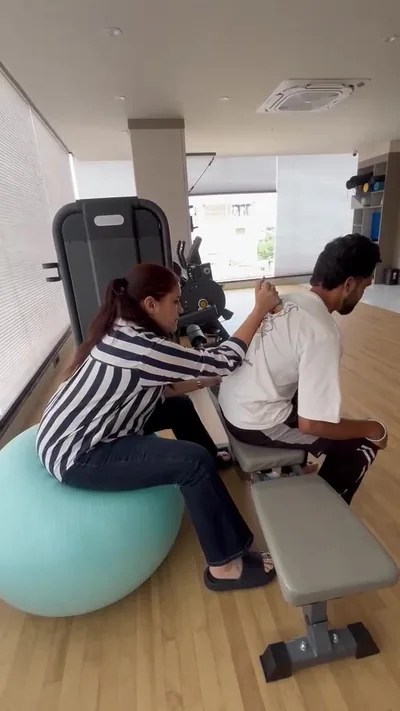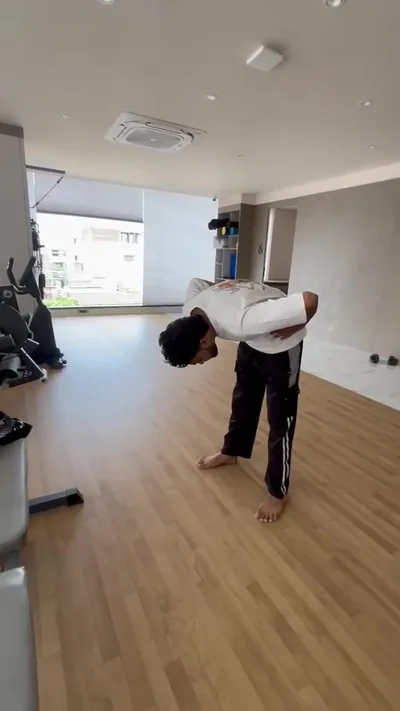
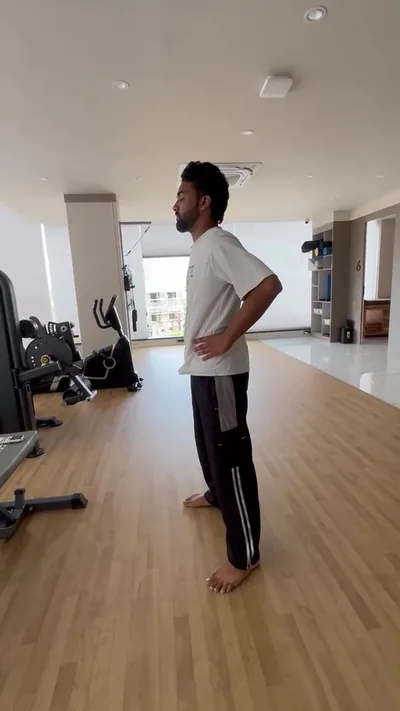
Is Side Bending Safe with L4 L5 Herniated Disc
An L4 L5 herniated disc happens when the disc between your fourth and fifth lumbar vertebrae bulges or ruptures. This presses on nearby nerves, causing pain…
Read article

After knee replacement surgery, week 3 marks a key point in wound healing. Most patients see steady progress if no issues arise. Monitor your wound at home to track changes. This guide covers normal knee replacement healing week 3 and how to do a knee replacement wound check at home. Always seek in-person checks from your surgeon or physiotherapist for concerns.
Home wound checks spot normal knee surgery recovery signs early. They support post knee replacement wound care without replacing professional advice. Focus on steps to check your knee replacement scar safely. A physiotherapist teaches you to observe colour, swelling, and discharge, and checks how the wound affects knee movement.
Trivayu Physio Center in Vaishali Nagar, Jaipur, aids recovery through post-surgery rehab. Our team guides patients on these checks and demonstrates home techniques.
By week 3, outer wound layers close. The scar forms a thin line. Stitches or staples may remain or be removed. Bruising fades to yellow or green. Swelling reduces but lingers around the knee. Looking for a Physiotherapist Near Me? Our team in Vaishali Nagar, Jaipur can assess you in person.
Sharp pain lessens. Movement improves with exercises. Progress varies by age, health, and care. Home monitoring tracks shifts. Expect more straightening, with bending reaching 60-90 degrees in practice. A physiotherapist tests range gently, noting if the wound pulls.
Regular checks note changes for doctor visits. Normal scar looks flat and even. Skin around it softens as tissues knit.
A normal wound at week 3 shows pink or light red colour in the centre. Edges pull together without gaps. Discharge, if any, is clear or slight yellow and dries quickly. The scar feels slightly raised but smooth.
Swelling eases and feels softer. Bruising lightens. Pain lessens. Skin feels warm but not hot. Knee bends without wound pull.
These match good healing. Orthopaedic Rehabilitation helps reduce stiffness around the scar.
Check daily in good light. Wash hands with soap. Sit or lie with knee exposed. A physiotherapist shows this routine in clinic.
Clean hands prevent germs. Do post-shower. Log pain or warmth. Bring photos and log to assessment. A physiotherapist reviews photos and measures range.
Contact your surgeon for these signs. Infection progresses quickly.
Do not wait. Call doctor or visit A&E if severe. A physiotherapist refers to surgeon if needed.
Keep wound dry as advised. Change dressings if wet: peel back, clean with saline if directed, pat dry, apply new pad. Avoid baths or pools. More on Knee Pain Treatment and how we assess it.
Move knee as guided. Do ankle pumps: 10 times hourly. Progress to heel slides: slide heel towards bottom, hold 5 seconds, 10 repeats. Stop if wound hurts.
Elevate leg above heart 3-4 times daily, 20 minutes. Ice wrapped for 15 minutes. Eat protein like dal, eggs, paneer. Drink 2-3 litres water daily. You may also find Knee Replacement Wound Week 3: Normal Healing Signs useful.
Avoid crossing legs or twisting. Wear loose cotton clothes. Track bowel habits—eat fibre.
Physiotherapy aids mobility. At Trivayu Physio Center, Vaishali Nagar, Jaipur, we offer home visits. Electrotherapy reduces swelling.
At week 3, expect better weight-bearing. Walk short distances with stick, 10-15 minutes. Stairs one step at a time, leading with operated leg.
Strength returns with straight leg raises: tighten thigh, lift heel 15 cm, hold 5 seconds, 10 times. Physiotherapists teach this to build support.
Sleep improves. Night swelling lessens with elevation. Daily activities return with aids. Clinic checks gait.
Book assessment around week 3 for wound review and rehab. Our team, including Dr. Jyoti Choudhary with 17+ years in orthopaedics, does full exam: wound inspection, range measure, strength tests, gait watch.
Treat at 204, 2nd Floor, Om Tower, Gandhi Path Road, Nemi Nagar, Vaishali Nagar, or Vidyadhar Nagar. Services include Post-Surgery & Joint Replacement Rehab and Orthopaedic Rehabilitation. Open Mon-Sat 8 am to 8 pm, Sun 10 am to 1 pm.
Contact via WhatsApp or phone: +91 90570 65065. Home visits suit early recovery.
Scar turns pink with joined edges. Swelling drops. Clear fluid dries fast. Pain eases. Warmth mild. Knee straightens fully, bends halfway.
Wash hands. Use light and mirror. Check colour, edges, swelling. Feel gently. Photo daily. Log movement.
If redness grows, pus appears, fever hits, or pain worsens. Or scar opens or hardens. Seek urgent care.
Mild redness near scar is common and fades. Spreading needs check. Track size daily.
Pus, fever, bad smell, hot swelling, rising pain, chills. Contact surgeon. Do not self-treat.
Peaks week 1, eases by week 3. Feels softer, responds to elevation and ice. Hard swelling flags check.
Track your knee replacement wound check at home daily. Note knee surgery recovery signs. For guidance, book at Trivayu Physio Center. WhatsApp or call +91 90570 65065 today.
Physiotherapy is not the right first step for everything. Seek medical assessment promptly if any of the following apply to you:
If you lose control of your bladder or bowels, develop numbness around the groin, or have chest pain or breathlessness, treat it as an emergency and go to hospital.
Truly thankful to Dr. Jyoti Choudhary and the entire team of Trivayu Physio Centre for their genuine care, humble behaviour, and excellent treatment.
Mahesh Dhaka, Google review
This is one patient's own account, published with consent on our reviews page. It describes their experience, not a predicted outcome. Individual results vary.
An L4 L5 herniated disc happens when the disc between your fourth and fifth lumbar vertebrae bulges or ruptures. This presses on nearby nerves, causing pain…
Read articleShopkeepers in Jaipur often stand for long hours behind counters. This prolonged standing can trigger sciatica pain. Sciatica happens when the sciatic nerve gets irritated, often…
Read articleHerniated disc night pain disrupts sleep for many. The disc bulge presses on nerves, causing sharp back pain or sciatica that flares up at night. Simple…
Read articleMessage us on WhatsApp with your main concern and preferred time, and we'll confirm your first visit the same day.