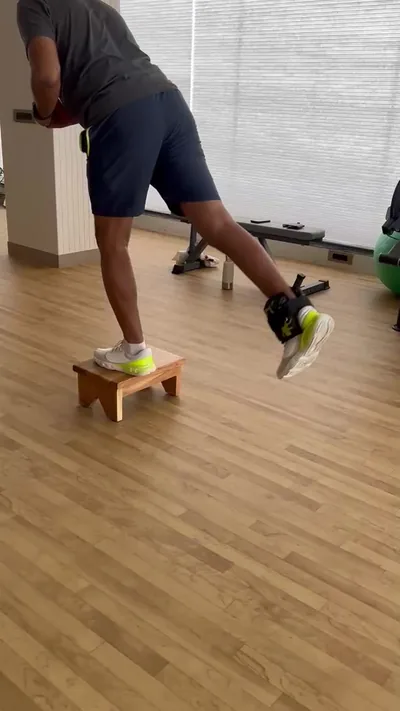
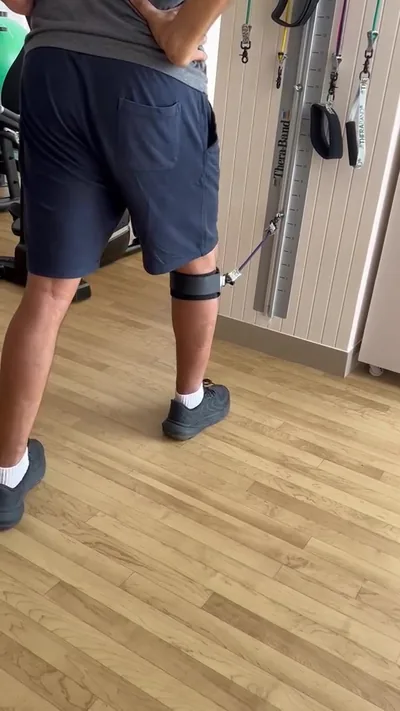
Backward Walking in ACL Rehab Phase 2
Backward walking helps athletes recover from ACL injuries. It builds knee stability in Phase 2 of rehab. This exercise targets quadriceps and improves control after surgery…
Read article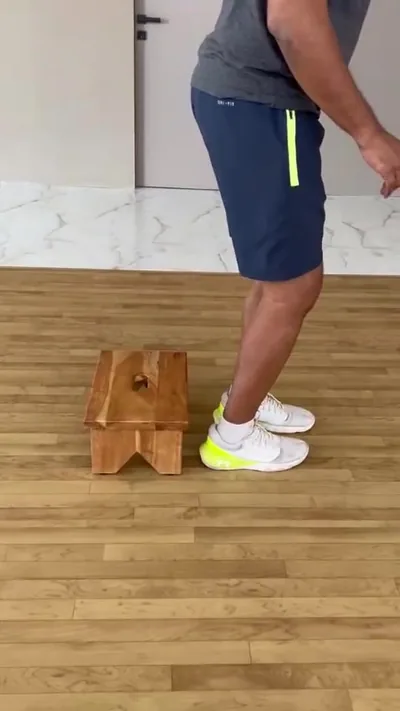

After knee replacement surgery, week 3 marks a key point in wound healing. The incision starts to close and form a scar. Patients often wonder what normal looks like and how to spot issues at home. Self-checks help you stay aware, but they do not replace professional care. Always see your doctor or physiotherapist for concerns.
This guide covers normal knee replacement wound week 3 signs, home inspection steps, and when to seek help. It draws from standard post-surgery wound care knowledge. Trivayu Physio Center in Vaishali Nagar, Jaipur, supports knee replacement recovery week 3 with in-person checks.
Healing varies by person. Factors like age, health, and following care instructions affect progress. Track changes daily to note improvements or problems. A physiotherapist would first review your wound during a session, then check knee range and strength before guiding exercises.
By week 3, the surface layer closes. Expect a forming knee replacement scar week 3, often pink or red at first. Edges pull together as new tissue grows. The scar may feel slightly raised as collagen builds.
Normal knee wound shows drying edges. Some clear fluid may seep, but less than in week 2. Swelling reduces around the knee. Bruising fades from purple to yellow-green. These signs mean your body repairs well. Looking for a Rehabilitation Centre Near Me? Our team in Vaishali Nagar, Jaipur can assess you in person.
Self-checks matter for early detection. Spot shifts from week 2, like less tenderness or firmer edges. Keep records of photos and notes for your doctor. A physiotherapist asks you to describe daily changes, then tests knee stability.
Redness fades from bright to pale pink. Wound edges dry and seal. Discharge, if any, stays minimal and clear. The knee replacement scar week 3 softens slightly when you press nearby skin.
Swelling decreases with normal knee replacement healing week 3. It feels softer. Pain eases unless you overmove. Compare to week 2: less ooze, drier feel, smaller puffed area. Normal swelling settles below the knee cap and responds to elevation.
Tissue around the knee replacement stitches week 3 firms up. The scar line shortens as it contracts. Skin feels warm but not hot. Stitches or staples sit flat. Touch the edges lightly; they should not feel numb or overly sensitive.
Check knee replacement wound at home safely. Wash hands with soap first. Use good lighting. Sit with leg extended. Have a clean towel ready.
Follow these steps for home wound check post surgery:
Note changes over days. Share with your care team. If stitches remain, expect removal soon; your surgeon decides.
Some changes demand quick action. Watch for knee surgery wound infection signs. Do not self-diagnose; contact a doctor right away.
These differ from normal swelling after knee replacement, which improves daily. Prompt help avoids complications. Call your surgeon or visit clinic same day. A physiotherapist would pause exercises and refer you if any red flag appears. More on Knee Pain Treatment and how we assess it.
Keep the area clean and dry. Change dressings as instructed, using sterile ones. Elevate your leg above heart level when resting: lie back with pillows under calf, knee straight.
Gentle movement helps. Walk short distances as advised, using crutches if needed. Orthopaedic Rehabilitation at this stage aids mobility by building knee control.
Eat protein from dal, eggs, paneer and vitamins from fruits, greens for tissue repair. Drink plenty of water. Avoid soaking the knee; use showers with plastic cover.
During home wound check post surgery, test knee bend: sit and slide heel towards you gently. Note if scar pulls painfully. Apply prescribed cream if doctor allows.
Contact Trivayu Physio Center if pain limits movement or scar feels hard. Manual Therapy can ease tightness around the knee once healed.
By week 3, shift to active recovery. Book a physio assessment for gait and strength. Expect the session to start with wound review: therapist inspects scar, tests for gaps or heat. You may also find Knee Replacement Wound Check at Home Week 3 useful.
They check knee bend to 90 degrees, straightens fully, and weight-bearing. In-person checks at Trivayu Physio Center, Vaishali Nagar or Vidyadhar Nagar, confirm healing. Electrotherapy may follow if swelling lingers, using TENS for pain relief.
Home visits and online consultations suit if travel is hard. Professional eyes spot issues self-checks miss. Start supervised exercises: heel slides, quad sets, straight leg raises, 10 reps thrice daily.
What to expect in physio: 45-minute session, seated checks first, then standing gait analysis. Therapist demonstrates ankle pumps to boost calf flow. Track progress with a journal: note bend angle daily.
It shows drying edges, pale pink colour, minimal clear discharge, fading swelling, and firming scar. Pain decreases; knee bends easier than week 2.
Wash hands, use light and mirror, inspect colour, size, odour, warmth, stitches. Take photos and track changes daily.
Worry with pus, fever, spreading redness, severe pain, opening edges, or calf pain. Seek medical help promptly.
Some pale redness within edges is common. Deep, spreading or hot redness is not; get it checked same day.
Elevate above heart, ice 15 minutes hourly if allowed, rest. If worsens with pain/heat or no improvement in 24 hours, contact your doctor.
Mild itch signals healing. Do not scratch; pat gently. Severe itch with rash needs a check.
It fades to white, flattens over months. Massage starts after 6 weeks if therapist approves.
Wound healing builds the base for knee recovery. Regular checks keep you on track. Self-care supports but professional input guides best. A physiotherapist tailors rehab: week 3 focuses on safe walking patterns.
Book an assessment at Trivayu Physio Center today. WhatsApp +91 90570 65065 or call to start.
Physiotherapy is not the right first step for everything. Seek medical assessment promptly if any of the following apply to you:
If you lose control of your bladder or bowels, develop numbness around the groin, or have chest pain or breathlessness, treat it as an emergency and go to hospital.
Truly thankful to Dr. Jyoti Choudhary and the entire team of Trivayu Physio Centre for their genuine care, humble behaviour, and excellent treatment.
Mahesh Dhaka, Google review
This is one patient's own account, published with consent on our reviews page. It describes their experience, not a predicted outcome. Individual results vary.
Backward walking helps athletes recover from ACL injuries. It builds knee stability in Phase 2 of rehab. This exercise targets quadriceps and improves control after surgery…
Read articleAfter ACL surgery, rebuilding knee strength takes time and care. ACL rehabilitation phases guide this process step by step. Phase 1 protects the graft and cuts…
Read articleAfter hip replacement surgery, dressing your lower body safely helps build independence. By week 6 of hip replacement recovery, many patients aim to dress without help.…
Read articleMessage us on WhatsApp with your main concern and preferred time, and we'll confirm your first visit the same day.