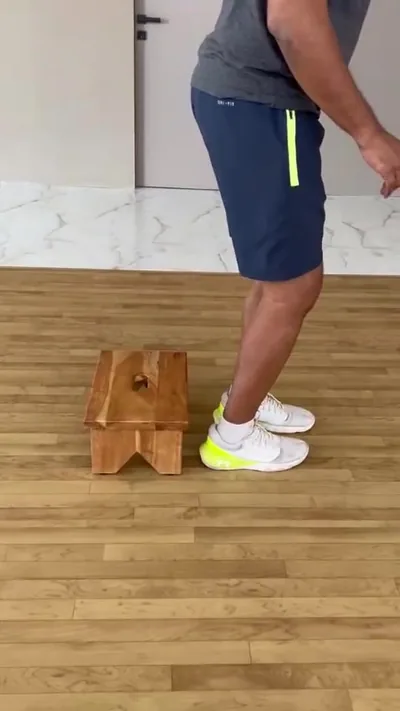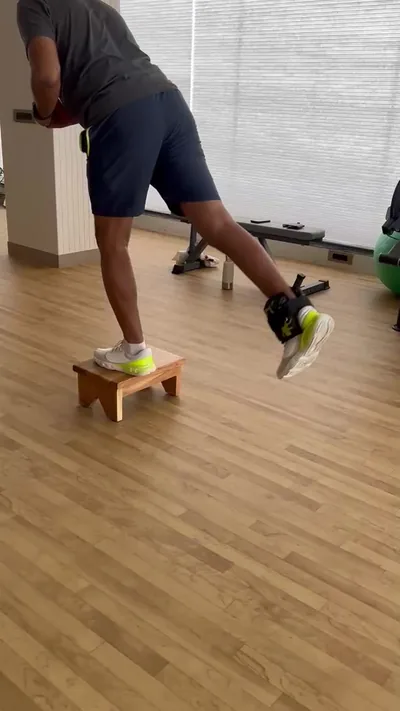
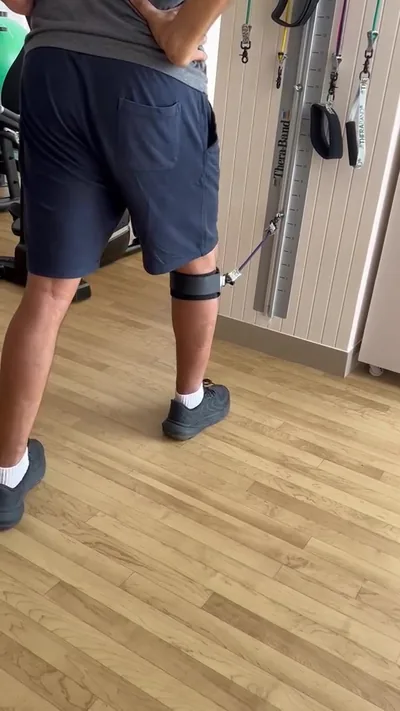
Backward Walking in ACL Rehab Phase 2
Backward walking helps athletes recover from ACL injuries. It builds knee stability in Phase 2 of rehab. This exercise targets quadriceps and improves control after surgery…
Read article

The short answer
Young IT professionals in Jaipur suffer neck pain from long hours at laptops and forward head posture during work from home. Simple chair-only exercises like chin tucks, rotations and side tilts, plus wall exercises like wall angels, restore mobility and reduce discomfort between meetings. Follow safety rules and seek clinic assessment if needed.
Many young IT professionals in Jaipur work from home. Long hours at laptops often lead to neck pain. Simple neck pain relief exercises using only a chair or wall can bring relief between meetings.
At Trivayu Physio Center in Vaishali Nagar, we see office workers with desk job neck stiffness every week. Gentle neck stretches while sitting and wall exercises for neck pain can help restore mobility and reduce discomfort.
Prolonged sitting forces the head to drift forward while staring at screens. This forward head posture puts extra load on the neck muscles and cervical spine. Over time it creates cervical strain and upper trapezius tightness that feels like desk job neck stiffness.
Jaipur’s young IT workforce spends most of the day on calls and coding. Poor home office ergonomics, low chair heights and lack of movement breaks make the problem worse. The muscles at the back of the neck tighten while the front muscles weaken.
Move only within a comfortable range. Never force your neck into pain. Gentle movement is the goal; sharp or shooting pain means stop immediately. Breathe steadily. Looking for a Physiotherapist Near Me? Our team in Vaishali Nagar, Jaipur can assess you in person.
If you have recent injury, dizziness, numbness in arms or severe headaches, do not start these exercises. A proper assessment at a clinic like Trivayu Physio Center is important before beginning any routine, especially if pain has lasted more than a few weeks.
These simple neck pain exercises at desk need only your office chair. Perform them slowly while seated with feet flat on the floor.
Use a clear wall space for these movements. They require no equipment and improve alignment quickly.
A short 5–7 minute sequence done 2–3 times a day works well. Set reminders after every two meetings or every 90 minutes of screen time.
Begin with 5 chin tucks, followed by 5 rotations and side tilts each way. Add upper trap stretch and seated thoracic extension. Finish with wall angel exercise and wall chin tucks if a wall is nearby. Read more about our Spine, Back & Neck Care.
Combine these neck stretches while sitting with simple office ergonomics changes such as raising your laptop to eye level and using a chair with lumbar support. Consistent posture resets reduce desk job neck stiffness over time.
If pain continues after 10–14 days, spreads to arms, or disturbs sleep, professional help is needed. Persistent forward head posture or cervical strain may require guided care.
At Trivayu Physio Center in Vaishali Nagar and Vidyadhar Nagar, our team offers manual therapy, Class IV High Power Laser Therapy, posture correction programs and advanced electrotherapy. We also provide dry needling, myofascial release and clinical Pilates-based exercise therapy.
Chin tuck technique, gentle neck rotations and side tilts are safest. Perform them slowly and stop at any discomfort. They target upper trapezius tightness without equipment. You may also find Desk Exercises for Neck Pain: Simple Stretches for Office Workers useful.
Two to three times daily for 5–7 minutes is a good target. Doing simple movements between meetings helps reduce desk job neck stiffness from building up.
Yes. Wall angel exercise and wall chin tucks improve posture and reduce forward head posture caused by hours at the screen.
See a physiotherapist if pain lasts more than two weeks, includes numbness, headaches or does not improve with rest and gentle movement. An assessment at Trivayu Physio Center can identify the cause.
Gentle chair based neck mobility exercises can be safe but must be tailored. Always get an assessment first. Some movements may need modification for cervical spondylosis.
Neck pain does not have to be part of your work-from-home routine. Consistent simple neck pain exercises, better posture and timely professional care can keep your neck comfortable. Book an assessment at Trivayu Physio Center in Vaishali Nagar. Call or message us on WhatsApp to schedule a convenient slot.
Physiotherapy is not the right first step for everything. Seek medical assessment promptly if any of the following apply to you:
If you lose control of your bladder or bowels, develop numbness around the groin, or have chest pain or breathlessness, treat it as an emergency and go to hospital.
Backward walking helps athletes recover from ACL injuries. It builds knee stability in Phase 2 of rehab. This exercise targets quadriceps and improves control after surgery…
Read articleAfter ACL surgery, rebuilding knee strength takes time and care. ACL rehabilitation phases guide this process step by step. Phase 1 protects the graft and cuts…
Read articleAfter hip replacement surgery, dressing your lower body safely helps build independence. By week 6 of hip replacement recovery, many patients aim to dress without help.…
Read articleMessage us on WhatsApp with your main concern and preferred time, and we'll confirm your first visit the same day.