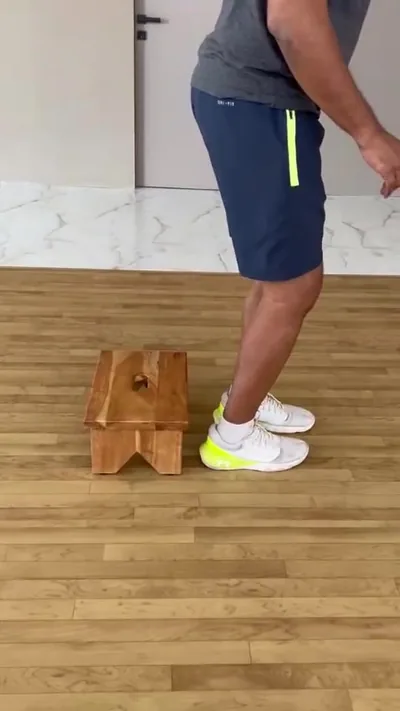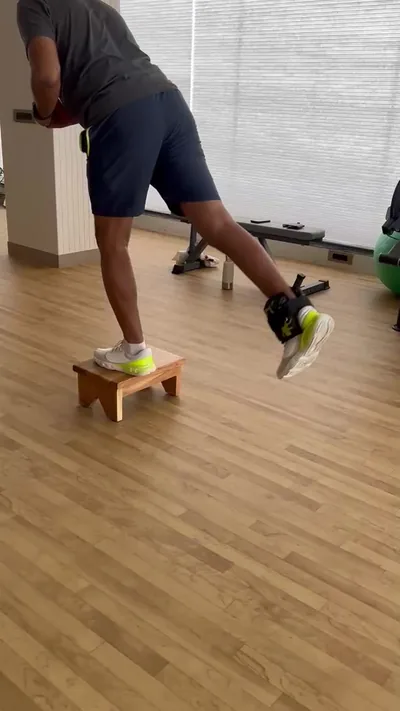
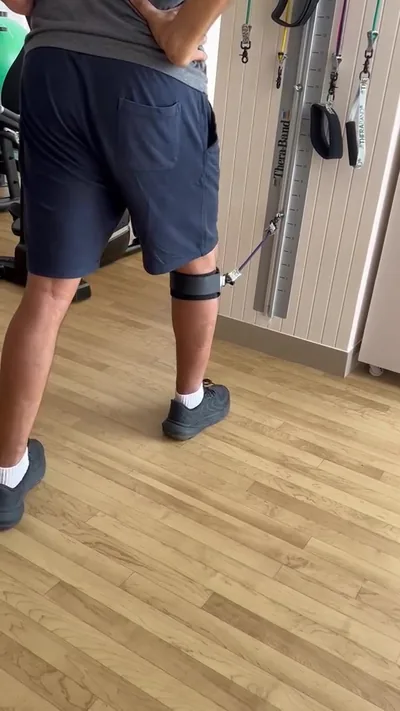
Backward Walking in ACL Rehab Phase 2
Backward walking helps athletes recover from ACL injuries. It builds knee stability in Phase 2 of rehab. This exercise targets quadriceps and improves control after surgery…
Read article

The short answer
Desk exercises for neck pain help young IT professionals in Jaipur reduce stiffness and improve comfort during long computer hours. Simple seated stretches like chin tucks, side tilts and shoulder rolls correct forward head posture and relieve neck and shoulder tension. Perform them hourly at your workstation.
Many young IT professionals in Jaipur spend long hours at computers. This often leads to chronic neck pain from computer work. Simple desk exercises for neck pain and regular posture resets can reduce stiffness and improve comfort during the workday.
These movements take only a minute or two. They focus on forward head posture correction and relieving tension in the neck and shoulders. Perform them hourly while seated at your workstation. They are not a cure but can help reduce the risk of further strain when done correctly.
Staring at screens for hours encourages forward head posture. The head moves forward and the neck bends to look down or straight ahead. This position places extra load on the neck muscles and joints.
The upper trapezius and other muscles stay contracted to hold the head in place. Over time this creates muscle strain from screens and reduces neck mobility at desk. Poor chair setup and lack of movement add to the problem.
Young IT professionals in Jaipur face higher risk because of long coding sessions, tight deadlines, and limited breaks. The combination often leads to cervical strain that feels tight and painful by evening.
Short workstation posture breaks every hour interrupt the cycle of stiffness. A quick reset allows tight muscles to relax and joints to move through their natural range. These are simple movements that fit easily between tasks.
Consistent hourly desk exercises for neck pain support better circulation and reduce fatigue in the neck and shoulders. They are not a replacement for professional care. If pain continues, an assessment is essential.
These six exercises can be performed while sitting. Move slowly and stop if you feel sharp pain. Breathe normally throughout.
Good posture reduces the need for constant correction. Set your screen so the top is at eye level. Your eyes should look slightly down at the centre of the monitor.
Adjust your chair so feet rest flat on the floor and knees are at roughly 90 degrees. Elbows should rest at about 90 degrees with forearms parallel to the floor. Keep your lower back supported by the chair.
Quick visual checks: ears over shoulders, shoulders over hips. Avoid slouching or leaning forward. Take a workstation posture break every hour to reset.
If neck pain lasts more than a few weeks, disturbs sleep, or spreads to the arms, consult a physiotherapist. Persistent symptoms may need targeted care beyond desk exercises for neck pain.
At Trivayu Physio Center in Vaishali Nagar and Vidyadhar Nagar we offer orthopaedic physiotherapy, posture correction programmes, manual therapy, dry needling and advanced electrotherapy. Our team includes senior physiotherapists experienced in neck and spine care. Home visits and online consultations are also available.
Yes. All the stretches and resets described above can be done while seated at your workstation. No equipment is needed.
Perform one or two movements every hour. A full set takes less than two minutes and fits easily into a busy schedule.
Chin tucks, gentle side tilts and shoulder rolls are among the safest. Move slowly, avoid forcing the range, and stop if pain increases.
Regular resets can ease muscle tension and improve awareness of posture. They support comfort during long work hours but work best alongside professional advice when pain is ongoing.
See a physiotherapist if pain does not improve after two weeks of regular breaks and exercises, or if you have numbness, weakness or headaches linked to the neck.
Chronic neck pain from computer work is common among IT professionals. Simple hourly desk exercises for neck pain and good workstation habits can make daily work more comfortable. Start with the chin tuck and shoulder rolls today.
For personalised guidance book an assessment at Trivayu Physio Center. Call or message on WhatsApp to arrange a convenient time.
Physiotherapy is not the right first step for everything. Seek medical assessment promptly if any of the following apply to you:
If you lose control of your bladder or bowels, develop numbness around the groin, or have chest pain or breathlessness, treat it as an emergency and go to hospital.
Backward walking helps athletes recover from ACL injuries. It builds knee stability in Phase 2 of rehab. This exercise targets quadriceps and improves control after surgery…
Read articleAfter ACL surgery, rebuilding knee strength takes time and care. ACL rehabilitation phases guide this process step by step. Phase 1 protects the graft and cuts…
Read articleAfter hip replacement surgery, dressing your lower body safely helps build independence. By week 6 of hip replacement recovery, many patients aim to dress without help.…
Read articleMessage us on WhatsApp with your main concern and preferred time, and we'll confirm your first visit the same day.