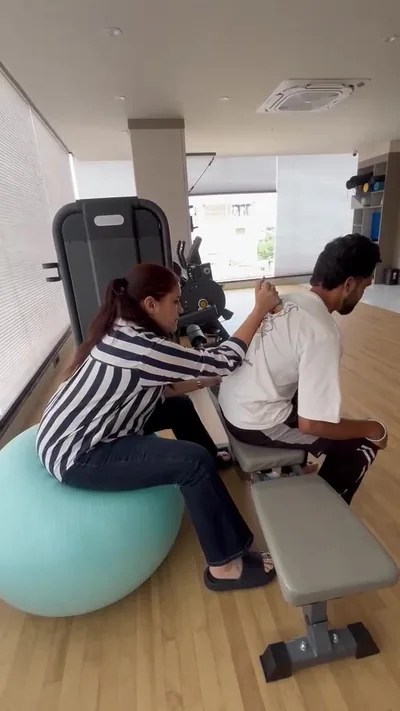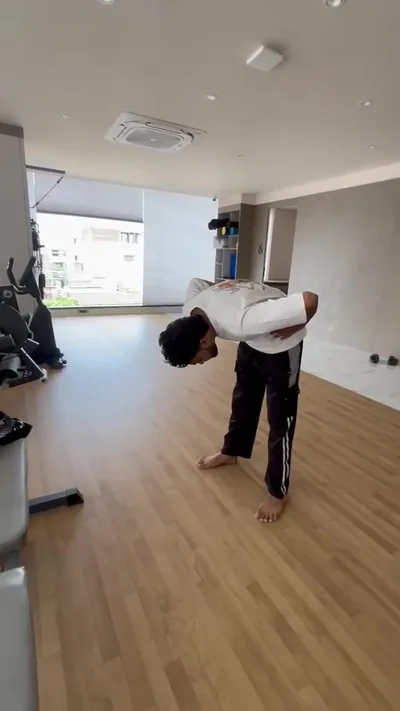
Is Side Bending Safe with L4 L5 Herniated Disc
An L4 L5 herniated disc happens when the disc between your fourth and fifth lumbar vertebrae bulges or ruptures. This presses on nearby nerves, causing pain…
Read article

Sciatica namaz pain affects many Muslims in Jaipur. It strikes during prayer when positions like sujood or jalsa press on the sciatic nerve. This nerve runs from lower back, through buttock, and down each leg to foot. Pain worsens with certain bends or sits. Jaipur’s warm climate and bumpy roads tighten muscles and jolt the nerve.
Pain during namaz can feel like sharp stabs down the leg, burning in buttock, tingling in calf, or numbness in foot. These signs point to nerve irritation. Modifications help you pray without agony. Physiotherapy supports long-term ease. Check with a scholar for rulings on changes. See a physio for personal advice after in-person check.
Sciatica comes from pressure on the sciatic nerve. This often links to slipped disc, tight piriformis, or spine wear. In Jaipur, desk sitting, bike rides on rough roads, or carrying loads raise risks. Heat adds muscle stiffness, squeezing the nerve.
During namaz, sujood presses lower back as you lower forehead to floor. Jalsa folds hips tightly with heels under buttocks. These strain the nerve root or path. Qiyam pulls if posture slumps. Ruku adds forward bend. Looking for a Physiotherapist in Jaipur? Our team in Vaishali Nagar, Jaipur can assess you in person.
Signs hit mid-prayer: leg numbness in jalsa, shooting pain rising from sujood, back ache in ruku, foot drop in qiyam. Heat tightens hamstrings and hips. Early changes prevent worsening. Physio assessment spots exact cause.
Sujood worsens pain most. Forehead to floor stretches nerve over piriformis. Tight hips add pressure. Knees into mat pinch nerve path.
Jalsa strains next. Sitting on heels flexes spine forward and pinches nerve at L4-L5. Ankles crossed trap calf branches. Shifting up after sujoods triggers leg pain to toes.
Qiyam and ruku load back if leaning from waist. Slumped shoulders pinch nerves. Avoid deep bends. Quick shifts jolt nerve. Prolonged tashahhud builds pressure if heels dig in.
Adjust qiyam: stand tall, feet hip-width, knees soft. Weight even. Use wall for back support if needed. This unloads spine.
For ruku, bend knees more, less at waist. Hands on knees or thighs, back straight. Skip full fold till pain eases.
Modify sujood with props. Cushion under knees and elbows lifts torso. Keep hips higher. Bend elbows to support chest. Or pray sitting on low stool, lowering head only. More on Sciatica Treatment and how we assess it.
In jalsa, do not sit on heels. Extend legs forward, knees bent. Or wide cushion under buttocks to open hips. Sit side-saddle with painful leg extended. For severe cases, pray seated on chair facing qibla.
For tashahhud, prayer mat roll behind low back. Hand on thigh for stability. Rise slowly using hands on knees. Test changes at home. Practice full rakat with mods.
At Trivayu Physio Center in Vaishali Nagar, Jaipur, book in-person assessment for sciatica namaz pain. Dr. Jyoti Choudhary, with 17+ years in orthopaedics, checks spine alignment, nerve tension, leg strength, and trigger poses. You may also find Sciatica Pain During Namaz: Prayer Adjustments useful.
Manual Therapy frees tight tissues. Orthopaedic Rehabilitation rebuilds stability. Dr. Hritika Choudhary uses Electrotherapy to calm nerves. Clinics also at Vidyadhar Nagar. Physios watch your prayer demo and tailor fixes. Home visits available.
Walk 10 minutes twice daily on flat paths. Wear cushioned shoes on Jaipur roads. Avoid crossing legs at home or work.
Stretch hips and piriformis before namaz. Sit on floor, cross ankle over knee (figure 4). Press knee down or lean from hips. Hold 20-30 seconds per side.
Strengthen core: lie on back, knees bent, tilt pelvis to flatten low back. Hold 5 seconds, 10 times.
Hamstring stretch: sit, legs extended, reach for toes with straight back. Hold 20 seconds. Use belt if tight.
Sit tall at work with lumbar support. Towel roll in car. Warm pack 10 minutes before namaz. Ice after if inflamed. Track pain diary. If pain spreads to feet, causes weakness, or blocks namaz, seek physio. Combine exercises with mods.
Pray sitting on chair facing qibla, cushions under knees for sujood. Extend legs in jalsa. Rise using hands. Keep spine straight. Consult scholar.
Sujood press, jalsa heel sit, deep ruku, slumped qiyam. Quick shifts jolt nerve. Prolonged tashahhud builds pressure.
Yes. In-person assessment finds cause. Techniques retrain posture for prayer.
Cushions in sujood, chair for sitting, knee bend in ruku, wall for qiyam. Extend legs in jalsa.
If pain lasts weeks, worsens in poses, spreads below knee, or limits namaz. Trivayu in Vaishali Nagar or Vidyadhar Nagar. Home visits.
Yes, tightens muscles. Use fans, loose clothes, stretch. Warm pack before prayer.
Sciatica namaz pain need not stop prayer. Changes, exercises, and physio bring relief. Recovery varies. Book in-person assessment at Trivayu Physio Center today. WhatsApp +91 90570 65065 or call. Locations: Vaishali Nagar and Vidyadhar Nagar.
Physiotherapy is not the right first step for everything. Seek medical assessment promptly if any of the following apply to you:
If you lose control of your bladder or bowels, develop numbness around the groin, or have chest pain or breathlessness, treat it as an emergency and go to hospital.
Truly thankful to Dr. Jyoti Choudhary and the entire team of Trivayu Physio Centre for their genuine care, humble behaviour, and excellent treatment.
Mahesh Dhaka, Google review
This is one patient's own account, published with consent on our reviews page. It describes their experience, not a predicted outcome. Individual results vary.
An L4 L5 herniated disc happens when the disc between your fourth and fifth lumbar vertebrae bulges or ruptures. This presses on nearby nerves, causing pain…
Read articleShopkeepers in Jaipur often stand for long hours behind counters. This prolonged standing can trigger sciatica pain. Sciatica happens when the sciatic nerve gets irritated, often…
Read articleHerniated disc night pain disrupts sleep for many. The disc bulge presses on nerves, causing sharp back pain or sciatica that flares up at night. Simple…
Read articleMessage us on WhatsApp with your main concern and preferred time, and we'll confirm your first visit the same day.